The International Energy Agency (IEA) has proposed 10 steps for households, businesses, and governments to cut costs as oil prices climb above $100 per barrel, following what it describes as the largest supply disruption in global oil market history.
The disruption stems from the US-Israel war on Iran, which has severely curtailed shipping through the Strait of Hormuz, a vital route that typically carries about 20 percent of global oil consumption, or roughly 20 million barrels per day.
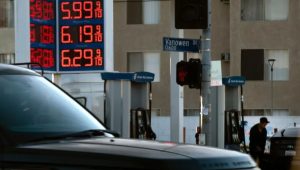
This loss has sharply constrained markets, driving up prices not only for crude but also for refined products such as diesel, jet fuel, and liquefied petroleum gas (LPG), GulfNews reported.

Although countries have already taken supply-side measures including an unprecedented release of 400 million barrels from emergency reserves — the IEA warns these steps are insufficient.
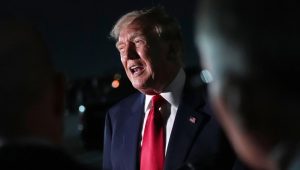
“The war in the Middle East is creating a major energy crisis, including the largest supply disruption in the history of the global oil market. Without a swift resolution, the impacts on energy markets and economies will grow increasingly severe,” said IEA Executive Director Fatih Birol.



Birol emphasizsd that the agency is working to stabilise energy markets, noting the record release of emergency oil stocks and ongoing coordination with key governments worldwide.
Demand-side measures
The IEA’s new report outlines practical actions that governments, businesses, and households can take to shield consumers from the crisis. Drawing on decades of expertise, the agency highlights proven strategies applicable across both advanced and developing economies.
Reducing demand, it stressed, is a “critical and immediate tool” to ease consumer pressure, improve affordability, and bolster energy security until supply flows normalize. Road transport responsible for about 45 percent of global oil demand is the primary focus, though aviation, cooking, and industry are also addressed.
The 10 recommended actions
- Work from home to cut commuting fuel use.
- Lower highway speed limits by at least 10 km/h.
- Increase reliance on public transport.
- Implement alternating car access in cities.
- Promote car sharing and eco-driving.
- Boost efficiency in freight and deliveries.
- Redirect LPG away from transport to essential uses.
- Limit air travel where alternatives exist.
- Adopt modern cooking solutions, such as electric stoves.
- Enhance industrial efficiency and diversify feedstocks.
While these measures cannot fully offset the disruption, the IEA says widespread adoption could significantly reduce costs, ease market strain, and preserve fuel for critical needs.