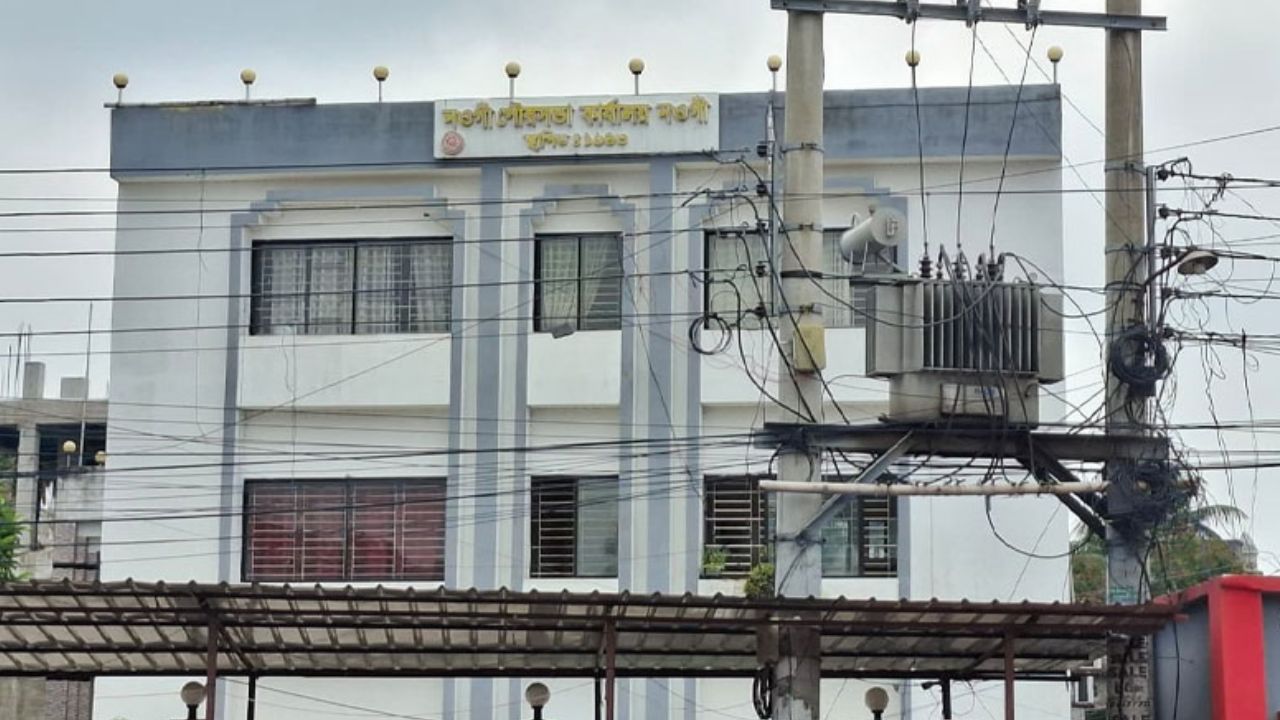

Naogaon has held first-class municipality status for 36 years, but its 2.5 lakh residents and tens of thousands of daily visitors still do not have access to a single public toilet at any of the city’s key locations.
The shortage has turned an everyday necessity into a serious civic crisis, with women suffering the most. Many are forced to limit food and water before leaving home, while others endure hours of discomfort because there is nowhere safe or private to use a toilet.
Naogaon Municipality began its journey in 1963, became a second-class municipality in 1980 and was upgraded to first-class status in 1989.
Spread across about 38.36 square kilometres, the municipality has around 2.5 lakh residents in nine wards. Another 25,000 to 30,000 people visit the city every day from the district’s 11 upazilas and neighbouring districts for business, education, treatment and administrative work.
Despite the heavy daily footfall, not a single public toilet exists in the city’s busiest areas.

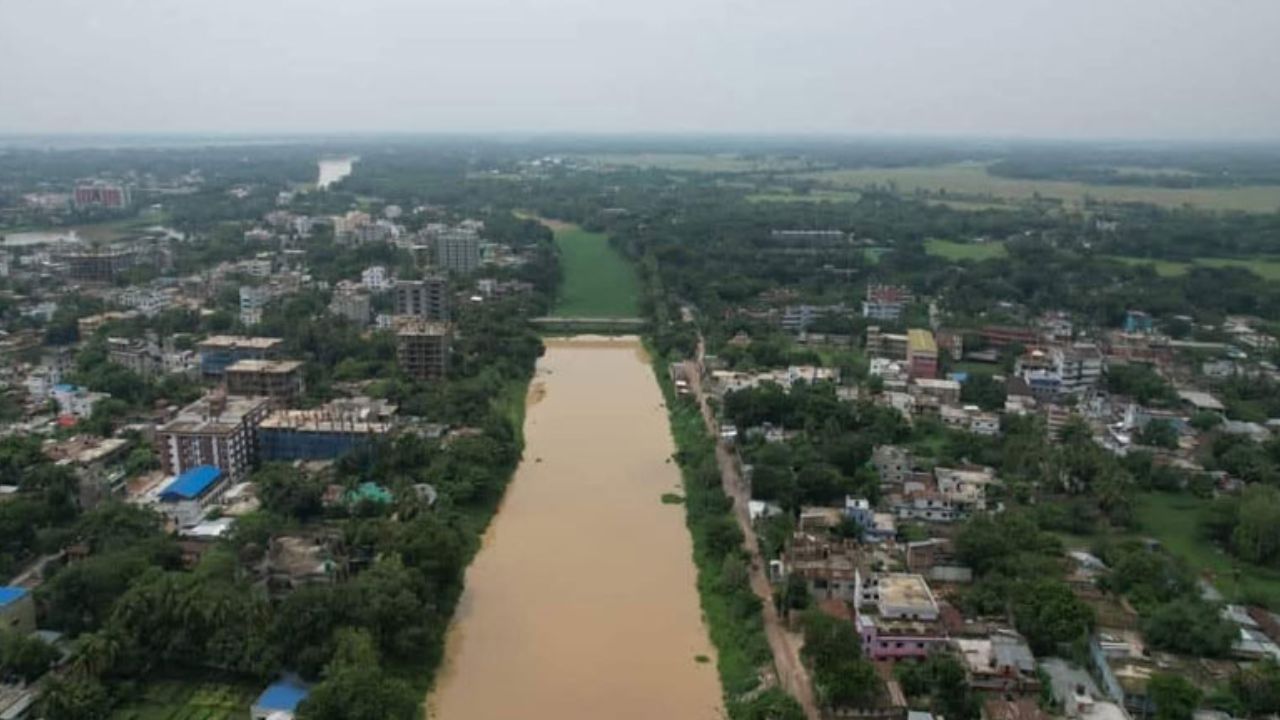
Residents said the municipality’s first-class status had brought little improvement in basic civic services. In the absence of public toilets, many men use roadside drains or abandoned spaces, polluting the environment, while women are left with few or no options.
Visits to different parts of the city found no public toilets at the Old Bus Stand, Dhaka Bus Stand, Baludanga Bus Stand and the Bata, Taj, Gosthahati, Mukti, Kazi, Dayal, Keri and Degree College intersections.
Some visitors try to use toilets at mosques, but those are often locked outside prayer times.




Sultana Yasmin, a housewife from Katkhoir in Sadar upazila, said she has to think about access to a toilet even before leaving her village for the city.
“Men can relieve themselves almost anywhere, but women face a serious crisis. We often have to hold it in for hours,” she said.
Umme Kulsum of Mahadebpur upazila said she tries to eat and drink as little as possible before travelling to Naogaon town.
“Sometimes the situation becomes so difficult that I have to leave my work unfinished and return home,” she said.
Sajjad Hossain, who came from Adamdighi upazila in neighbouring Bogura, said he went to a mosque after completing his work but found the toilet locked.
Environmental activist Nice Parveen described the absence of public toilets in a district town like Naogaon as shameful.
“This is not only a public health risk but also a major obstacle to women’s mobility and dignity. The authorities must act without delay,” she said.
District Council Administrator Abu Bakkar Siddique Nannu said there were plans to construct modern, women-friendly public toilets and expressed hope that work would begin soon.
Naogaon Municipality Administrator T M A Momin also acknowledged the need for the facilities.
“Public toilets are essential. We will take an initiative to build them at important locations under an upcoming project,” he said.