


In 1965, a young man arrived at a teenage girl’s home in Gandaria, Faridabad, with an offer that would change both their lives. He wanted her to play the lead in Behula.
She had imagined an older director. Instead, she found a slim, young-looking man who appeared almost young enough to still be a university student.
The man was Zahir Raihan. The girl was Suchanda.
Nearly six decades later, Suchanda remembers that encounter as the beginning of a story shaped by cinema, love, marriage and one man’s devotion to his work.
As Zahir Raihan’s birth anniversary falls on 19 August, Suchanda’s memories offer an intimate glimpse of the filmmaker behind some of Bengali cinema’s most important works — and the husband she loved even when work came before everything else.
Suchanda was then a student at City Night College in Dhaka, now known as Dhaka City College. She had travelled between Jashore and Barishal and came from a conservative family. Acting was never part of her plans. Her interest in cinema grew through Subhash Dutta’s films, and that was when she first heard Raihan’s name.
When he came to her family home, he offered her the lead in Behula. She was then shooting Kagojer Nouka. As a girl from a conservative family, she could not discuss film work directly. Her father handled such matters.

During Behula, Raihan often operated the camera himself while directing Suchanda from behind it. His eyes eventually revealed his feelings.
“I understood from his eyes that he was deeply drawn to me,” Suchanda recalled.
She was still a college student, caught between hesitation and curiosity. Raihan was the first to express his love. Behula was released in 1966, but it took another two years for their relationship to lead to marriage.
By then, Suchanda’s career was taking shape. As the eldest child, she also cared for her sick father and younger siblings. Raihan was already married to actress Sumita Devi. Suchanda repeatedly rejected his proposals.
But Raihan remained determined.




One day, he arrived at her home by car and said they had a shoot. Instead of going to FDC, the car headed towards Dhanmondi.
“He had already made all the arrangements, so I had no choice but to marry him,” Suchanda said.
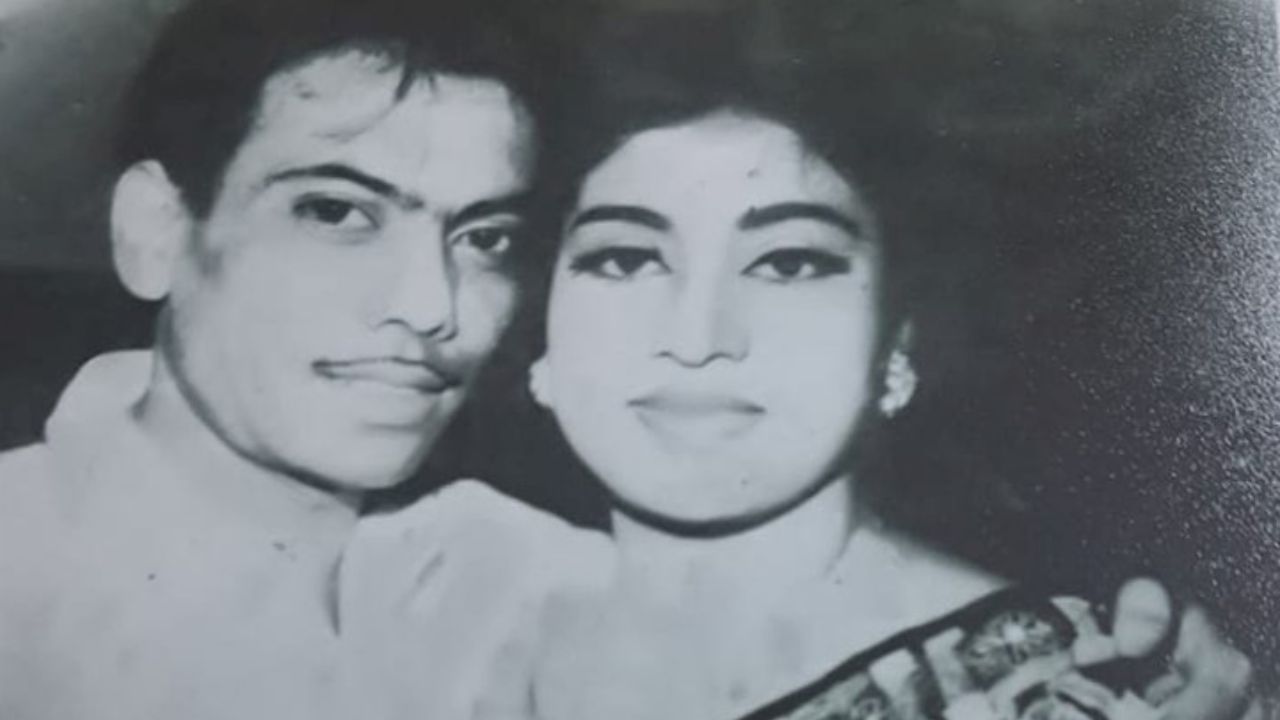
They married towards the end of 1968 at a friend’s Dhanmondi home in an intimate ceremony attended by a few close people, including actor Baby Zaman. Suchanda later informed her father through her mother.
Raihan then told his elder brother, prominent Bengali novelist, writer, journalist and freedom fighter Shahidullah Kaiser, “Borda, I have got married.” That was when his family was formally informed, although Suchanda believes they already knew.
Suchanda remembers Raihan as a “workaholic”. Even in their joint family, he showed little interest in children, his wife or travelling. He did not play with the children, take them out or take his wife out for meals.
Yet resentment never defined her love.
“Before loving Zahir, I loved his work. I considered it my good fortune to be his wife. Everything else was minus,” she said.
Their professional lives remained intertwined. Their journey began with Behula and continued through around 30 films. Suchanda became the first reader of many of his writings, and he encouraged her to try directing, promising to help with scripts.
Then came the Liberation War. Raihan’s cinema took on the weight of a country in turmoil. Jibon Theke Neya transformed political protest into allegorical cinema. His unfinished Let There Be Light explored war, humanity and global unrest, while Stop Genocide documented the atrocities of the Pakistani forces.
On 30 January 1972, at 10:10am, Raihan had barely sat down for breakfast when he prepared to leave in search of Shahidullah Kaiser. An army officer was waiting downstairs.
Raihan went down with the keys in his hand, then returned to ask for money. Suchanda opened the cupboard and handed him the entire bundle she had. There was no time to count it.
That was their final conversation, their final meeting.
Raihan never returned.
He disappeared while searching for Kaiser, who had been abducted during the final days of the Liberation War. Suchanda searched among the bodies in Mirpur and elsewhere and approached freedom fighters for information.
There was no answer. No return. No final goodbye.
More than five decades later, the absence remains. Suchanda believes the dreams of the man who drew audiences to Bengali cinema with Behula, turned political protest into art through Jibon Theke Neya and explored war and humanity in Let There Be Light remain unfulfilled.
Raihan was born on 19 August 1935 and was only 36 when he disappeared.
For Suchanda, he remains more than the filmmaker the country remembers: the young man who first stood before her with a film offer, the director whose eyes revealed his love, the husband who gave himself almost entirely to his work and the man who walked down the stairs one January morning and never came home.