



The exhumation of the remains of Japanese soldiers buried at the Chittagong War Cemetery was completed on Monday, marking another significant step in Japan’s effort to honourably repatriate the bodies of its World War II fallen. Members of the Japanese forensic team present at the site were visibly emotional and expressed deep gratitude to Bangladesh for allowing the return of what they described as their sons to their homeland. Officials believe the operation is likely to further deepen the longstanding bilateral ties between Dhaka and Tokyo.
According to sources, the exhumation began last week and the final set of remains was recovered Saturday. The process proceeded smoothly, and preparations for repatriating the remains to Japan are expected to begin shortly.
The successful exhumation follows a similar operation at the Mainamati War Cemetery in Comilla in November last year. Encouraged by that experience, the Japanese government had been particularly hopeful about completing the work in Chattogram.
Historical background
During World War II, Japanese forces fought against Allied troops along the Burma–China front. Injured soldiers from both sides were often evacuated to military hospitals in Chattogram and Comilla.
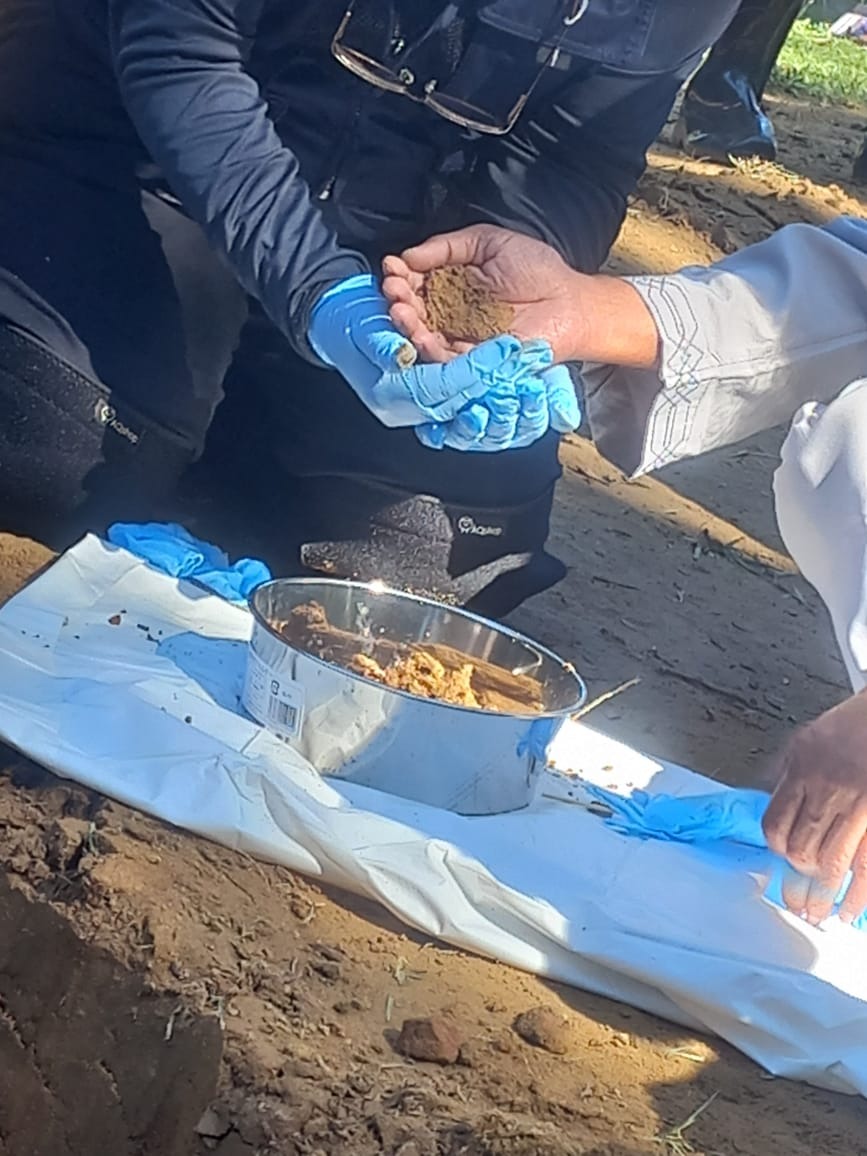
Those who died during treatment were laid to rest at the Mainamati War Cemetery in Comilla and the Chittagong War Cemetery. Japan formally requested the repatriation of these remains and more than 80 years later the exhumation efforts was completed.
Number of graves
The Chittagong War Cemetery contains 19 graves of Japanese soldiers — 18 identified and one unidentified.
In Comilla, 24 Japanese soldiers – 20 identified and four unidentified – were buried. Of these, the remains of 23 soldiers have already been exhumed and returned to Japan.
Why Japanese soldiers were buried in Bangladesh
British Field Marshal William Slim had established several field hospitals in the Comilla and Chittagong cantonments during World War II. Wounded Japanese soldiers captured along the Burma–China front were brought to these facilities for treatment. Those who did not survive were interred in the two dedicated war cemeteries.
Mainamati War Cemetery was built on a hillside slope, while the Chittagong War Cemetery was originally a paddy field later converted into a burial ground.
Key role in the exhumation
At the request of the Japanese government, freedom fighter Lieutenant Colonel (Retd) Kazi Sajjad Ali Zahir, Bir Protik, who has extensive experience in the burial and recovery of mortal remains since 1971, led the exhumation work in Comilla, where he successfully recovered 23 of the 24 graves. His efforts were deeply appreciated by both governments and by families of the fallen soldiers.
Responding to another request from Tokyo, he is now participating the Chattogram exhumation as well, supported by a team of Japanese forensic experts and local grave diggers.


