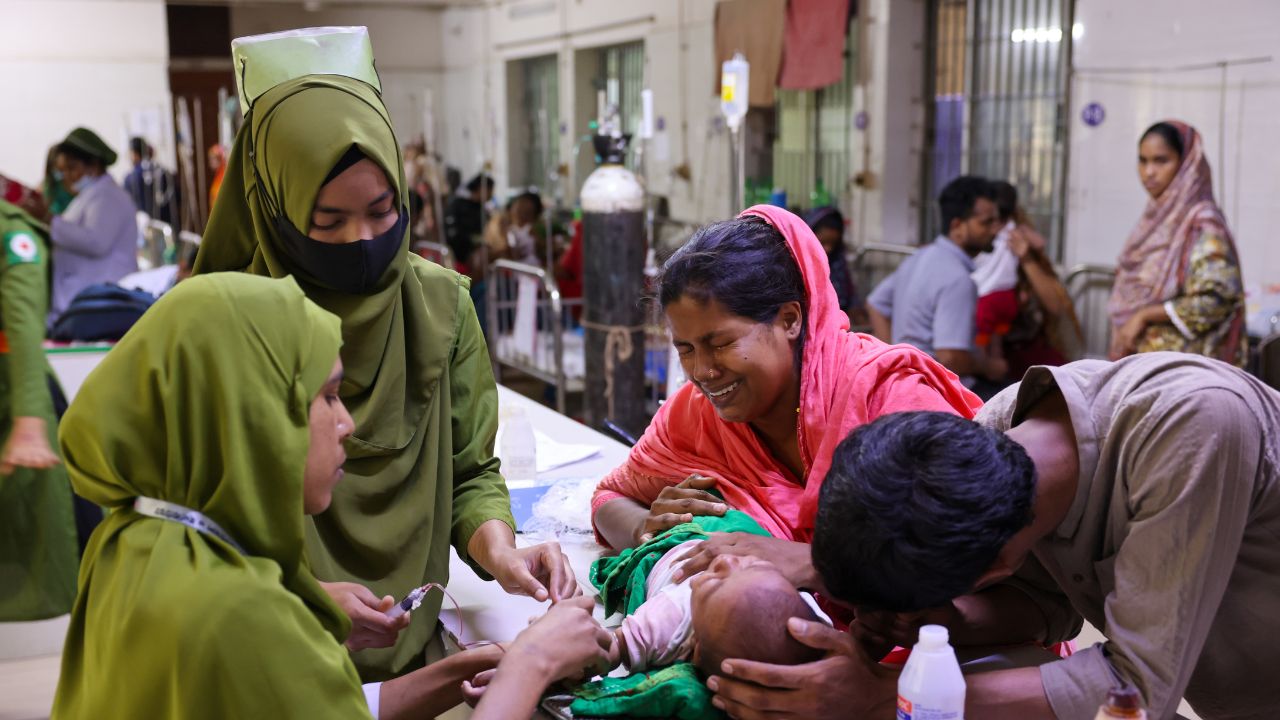



Omar Ali, a stroke patient from Jamalpur, has been taken to four hospitals in five days, but his family is still struggling to secure him a bed for treatment in Dhaka. Two hospitals in his home district turned him away for lack of facilities, while a private hospital in the capital referred him to a government facility that had no vacant bed.
His ordeal reflects a wider crisis in stroke care in Bangladesh, where a lack of treatment facilities outside Dhaka, overcrowded specialised hospitals and delays in accessing emergency care are costing lives and leaving survivors at risk of permanent disability.
An estimated 368 people die of stroke in the country every day, according to data published on PubMed Central. Doctors say many patients miss the opportunity for time-sensitive treatment because they cannot reach an equipped hospital quickly enough.
Omar was admitted to Islami Bank Hospital in Kakrail after being taken to Jamalpur General Hospital and Mymensingh Medical College Hospital. After four days, doctors at the private facility advised his family to transfer him to the National Institute of Neurosciences and Hospital.
His relative, Beauty Begum, arrived at the specialised hospital early on Wednesday, only to be told that the patient had to be brought in before doctors could decide on admission. She was also asked to collect a medical summary from the hospital treating him.
After returning to Kakrail to obtain the discharge papers and medical summary, Beauty brought Omar to the neuroscience hospital. A doctor examined him and said he needed admission, but no bed was available. More than 15 patients were already waiting.
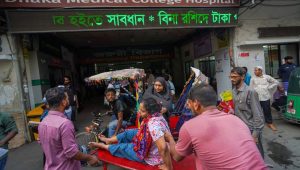
The family was then advised to try Dhaka Medical College Hospital, where patients are sometimes treated on the floor.

Omar has lost movement on the left side of his body. He remains unconscious, receives liquid food through a tube and requires oxygen support. His condition could deteriorate to the point of requiring intensive care, according to his doctor.
The crisis is particularly acute because stroke treatment is highly time-sensitive. The first few hours after symptoms appear are crucial, and delays can reduce the chances of survival and recovery.
Mohammad Mazharul Islam, a resident physician at the National Institute of Neurosciences and Hospital, told TIMES that patients have a better chance of recovery when treatment begins as soon as possible.
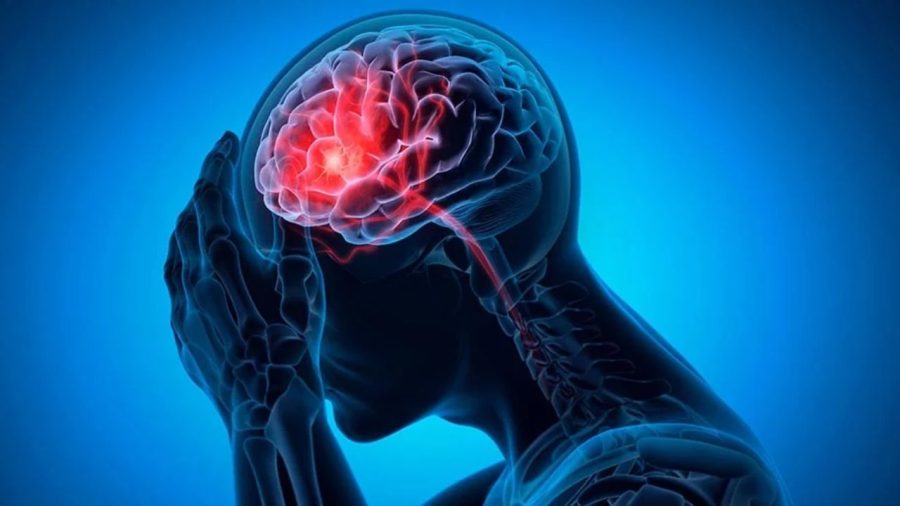
In an ischaemic stroke, a blood clot blocks blood flow to part of the brain, depriving brain tissue of oxygen. One treatment is intravenous thrombolysis, which uses clot-dissolving drugs such as alteplase or tenecteplase. The treatment is suitable only for eligible patients after the necessary examinations.
“Patients who reach the hospital within the prescribed time and are eligible for the treatment receive it. However, many patients die before reaching the hospital, while others miss the opportunity because they arrive too late,” Dr Mazharul Islam said.




Expanding access to thrombolysis nationwide could reduce permanent disability caused by stroke, he added.
500 beds remain out of reach
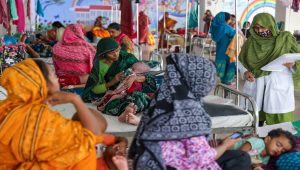
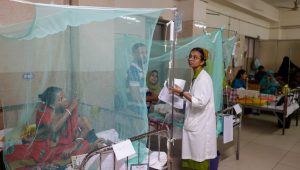
Even in the capital, specialised treatment is constrained by a shortage of beds. The National Institute of Neurosciences and Hospital receives around 3,000 patients daily, many of whom require admission, but its existing 500-bed capacity falls far short of demand.
Dr Mazharul Islam said 400–450 patients requiring admission arrive each day, but the hospital can accommodate only around 50.
A new building with another 500 beds and the necessary equipment is ready, but it cannot be brought into full operation because recruitment of fourth-class support staff through outsourcing has been suspended.
The building’s outpatient department, post-operative services, operating theatres, MRI and CT scan facilities are operating partially.
The hospital’s director could not be reached for comment on why the recruitment of support staff was holding up the full operation of the facility.
Ahsanul Hoque, assistant director (hospitals) at the Directorate General of Health Services, told TIMES that recruitment to the posts was currently suspended. He could not say when it might resume.
Public health expert Mushtuq Husain said healthcare institutions needed greater autonomy to avoid bureaucratic delays in staffing and service delivery.
“If the ministry makes every decision, bureaucratic complications are inevitable. Decisions are taken slowly,” he said.

Plans to establish neuroscience hospitals in eight divisional cities have also stalled amid bureaucratic complications, doctors said. Such facilities could ease pressure on Dhaka and enable patients from surrounding districts to receive specialised treatment sooner.
Building large hospitals in the capital alone cannot solve the crisis, Mushtuq said. Districts need primary and secondary healthcare facilities, while divisional cities should provide specialised treatment for complex conditions.
He also stressed the need for public awareness, including education on blood pressure monitoring and stroke prevention, rather than focusing primarily on purchasing equipment.
Prevention and rehabilitation neglected
Bangladesh records 134,166 stroke deaths annually, or around 368 a day, according to medical journal data published on PubMed Central. Even more people suffer partial or complete paralysis.
Doctors attribute the rising incidence partly to changing lifestyles, including reduced physical activity, unhealthy diets, obesity, diabetes, high blood pressure, heart disease and elevated cholesterol.
High blood pressure remains one of the leading risk factors, making early detection and regular monitoring essential.
Survivors also face limited access to physiotherapy and rehabilitation, reducing their chances of regaining mobility and independence.
Thrombolysis can reduce mortality and the extent of paralysis in eligible patients, but the treatment remains expensive. Without government financial support, many families struggle to afford it.
Doctors say expanding emergency stroke services beyond Dhaka, making the additional hospital beds operational and improving public awareness are essential to reducing preventable deaths and long-term disability.