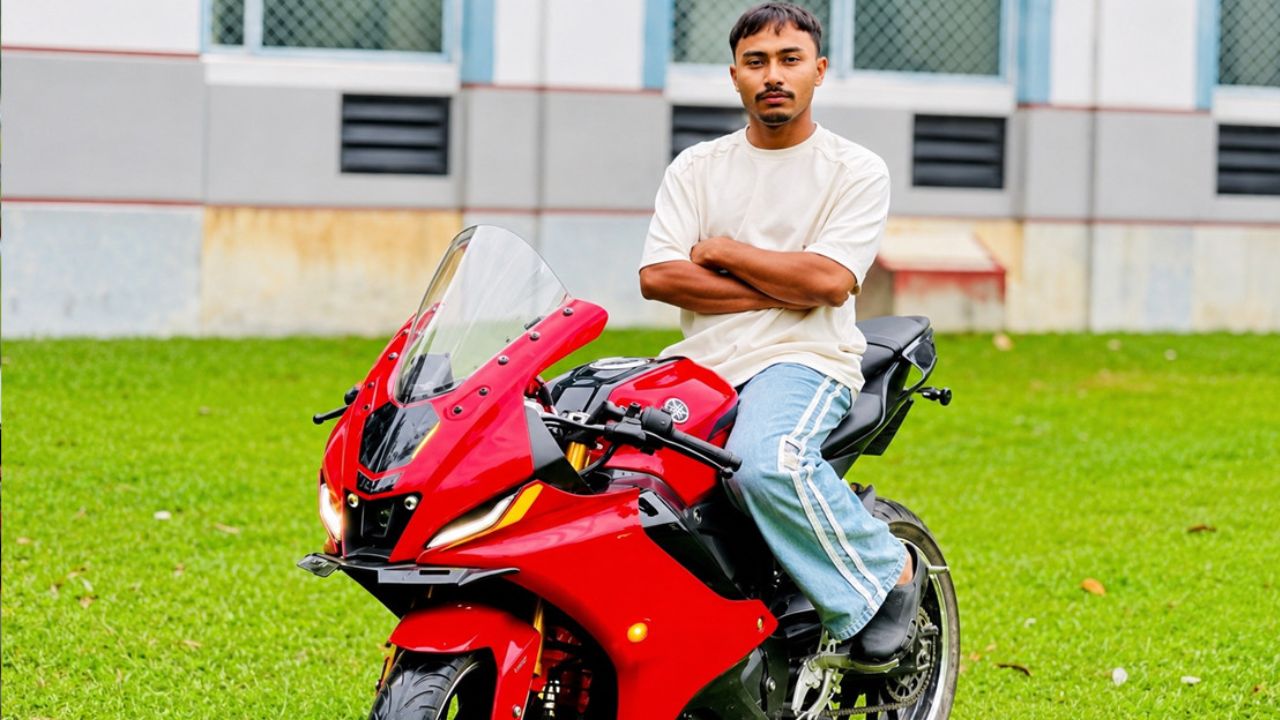



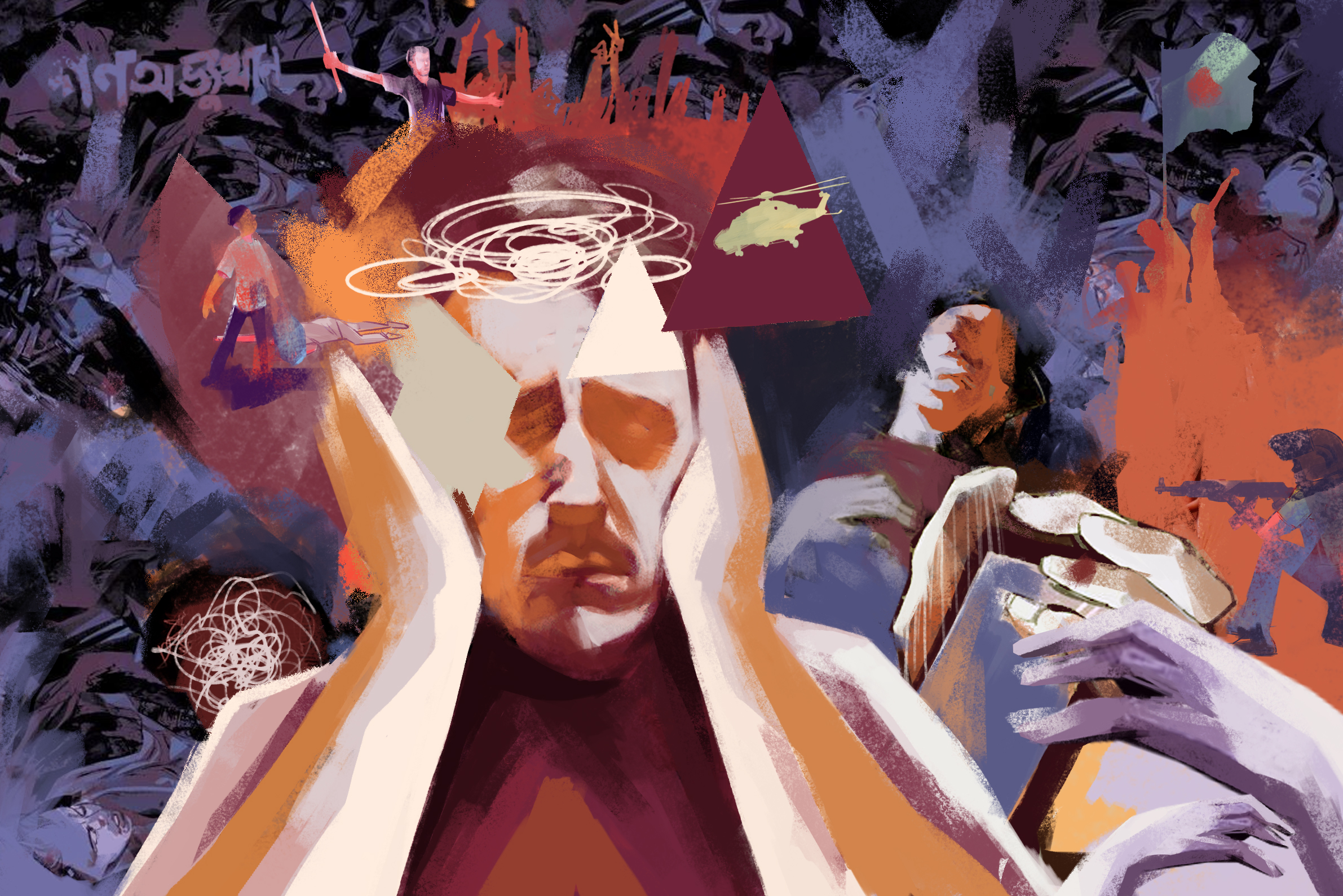
“He was a very reserved person. We often asked him what was wrong, how he was doing. But he would never say anything. And even if he did, he’d say it in a way that made it seem like everything was fine. Yet, deep inside, there was a storm we never sensed. We couldn’t do anything for him. That’s my greatest regret,” said Sanju’s roommate, his voice filled with guilt and eyes empty with sorrow.
Sanju was a student of the Anthropology department at the University of Dhaka. On the dawn of 14 July, he jumped from the roof of Rabindra Bhaban in Jagannath Hall. His body lay in the blood-soaked courtyard of the hall. In an instant, the life of this young man from a tea-worker family in Chunaurghat, Habiganj, came to an end. Behind his silence seemed to be an unspoken world; one where there was no one to understand, no safe space to speak.
Yasha Jahan (not her real name), a first-year student at a private university, is only 21. Yet her voice carries a weariness far beyond her years, as though she has already grown tired of life. Describing her mental state, she says, “I experience sudden bouts of depression which I cannot stand anymore. I have given myself plenty of time but found no solution. I couldn’t make anyone understand. I can’t even cry anymore. Everything feels suffocating. I’m tired. Life feels meaningless.”
Their stories are different, yet they converge at some point. An invisible darkness swallows up countless young lives like Sanju and Yasha every day.
The gravity of the situation becomes clearer when viewed through the recent statistics from the National Institute of Mental Health and Hospital. It shows that 90% of the patients seeking treatment are of working age, those in the most productive phase of their lives.
BMC Psychiatry published in its research report in August revealing that nearly 90% of people suffering from mental disorders in Bangladesh never attempted to take any treatment. In cases of disorders related to substance use, this figure exceeds 95%. Only 9.84% of patients seek some form of treatment, with a mere 0.29% receiving care in specialised mental hospitals.
Budget constraints have deepened the crisis further. Of the national health budget of 2.3 billion USD, only 0.44% is allocated for mental health. Half of that amount is spent for only the specialised hospitals in the capital. As a result, mental health services are virtually absent at the upazila or union levels, leaving marginalised people deprived of care.
The shortage of personnel is another major contributor to the crisis. There are, on average, only 1.17 mental health workers for 100,000 people. Most of them are based in urban areas. Consequently, in rural regions, mental health patients spend their days almost completely without treatment, according to BMC Psychiatry report.
To address the mental health challenges of marginalised populations, Brig. Gen. (Retd.) Dr. Md. Azizul Islam, a well reputed psychiatrist in Dhaka, recommends training frontline health workers at the upazila and union levels. “It is essential to train frontline health workers so they can provide initial counseling and referrals,” he said.
Experts believe that patriarchy, economic inequality, and social pressures are pushing people in this country toward mental health risks.
Naima Nigar, assistant professor at the Department of Psychology, University of Dhaka, interprets the issue through a societal lens. In her words, “Many people simply refuse to acknowledge it, thinking that if they speak about such issues, society will label them as ‘weak’ or ‘crazy.’”
Addressing how patriarchy contributes to the rise of depression, she adds, “This is particularly complex for men. From childhood, they are taught that ‘boys don’t cry’ or ‘men are mentally strong.’ As a result, they hesitate to express their mental struggles. Many fear that sharing stress or sadness will make them appear weak.”
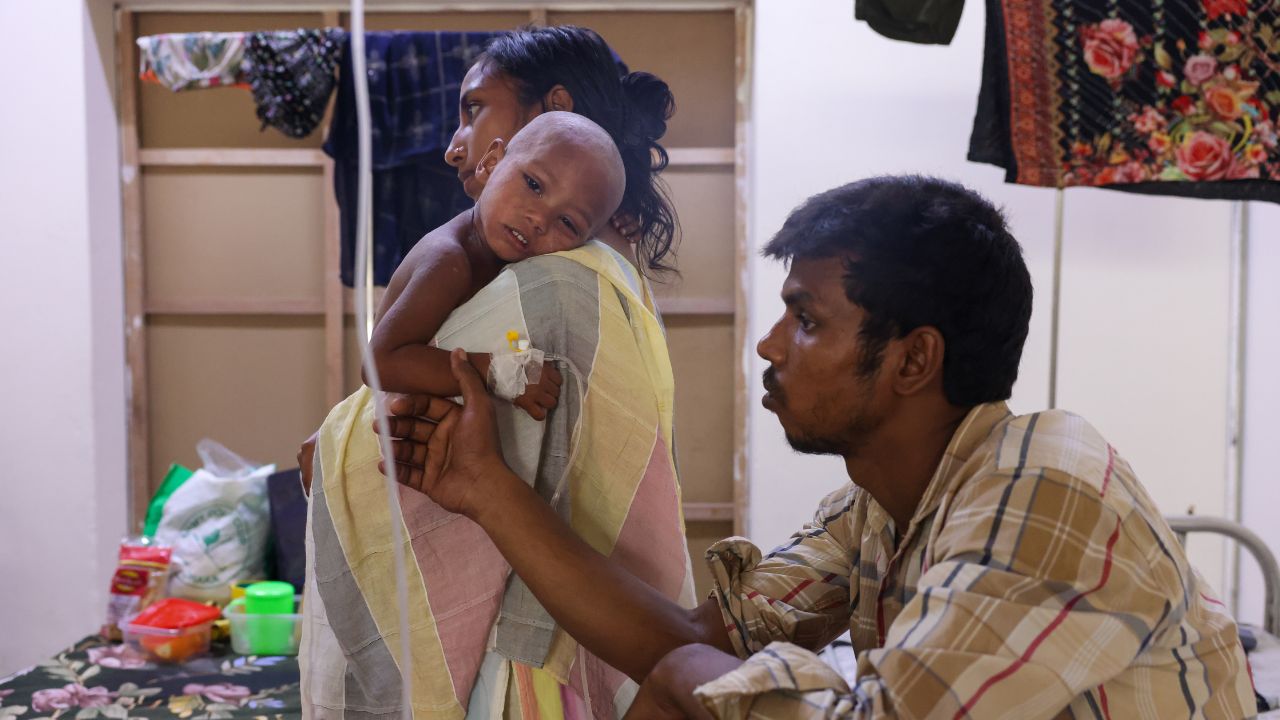
She also expressed concern about the mental health of marginalised communities and illustrates the ground reality. “Their primary concerns are food, shelter, and safety. Thus, mental health seems like a luxury for them. Moreover, many do not even realise that mental illness is also a health issue.”
When asked whether the country’s mental health infrastructure and workforce are sufficient, Nigar told Times of Bangladesh, “Not at all. In a country where we do not have enough doctors for physical illnesses, the number of mental health professionals is extremely low. The government must give this sector more attention. Every public hospital should have adequate mental health services.”
She explained the rationale for appointing mental health professionals not only in hospitals but also in schools, colleges, and universities. She suggested leveraging social media to expand mental health services to rural areas in today’s era of digital accessibility.
On this World Mental Health Day, the stories of Sanju and Yasha remind us that taking care of one’s mental well-being is essential for everyone, it is not a luxury, but a fundamental human need. In other words, mental health support and services should be accessible to all, not just a privilege for a few.

