


The Confederation of Indian Industry (CII) has proposed the formation of two joint business task forces to enhance trade and investment relations between Bangladesh and India, focusing on digital transformation and infrastructure financing.
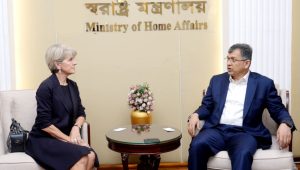
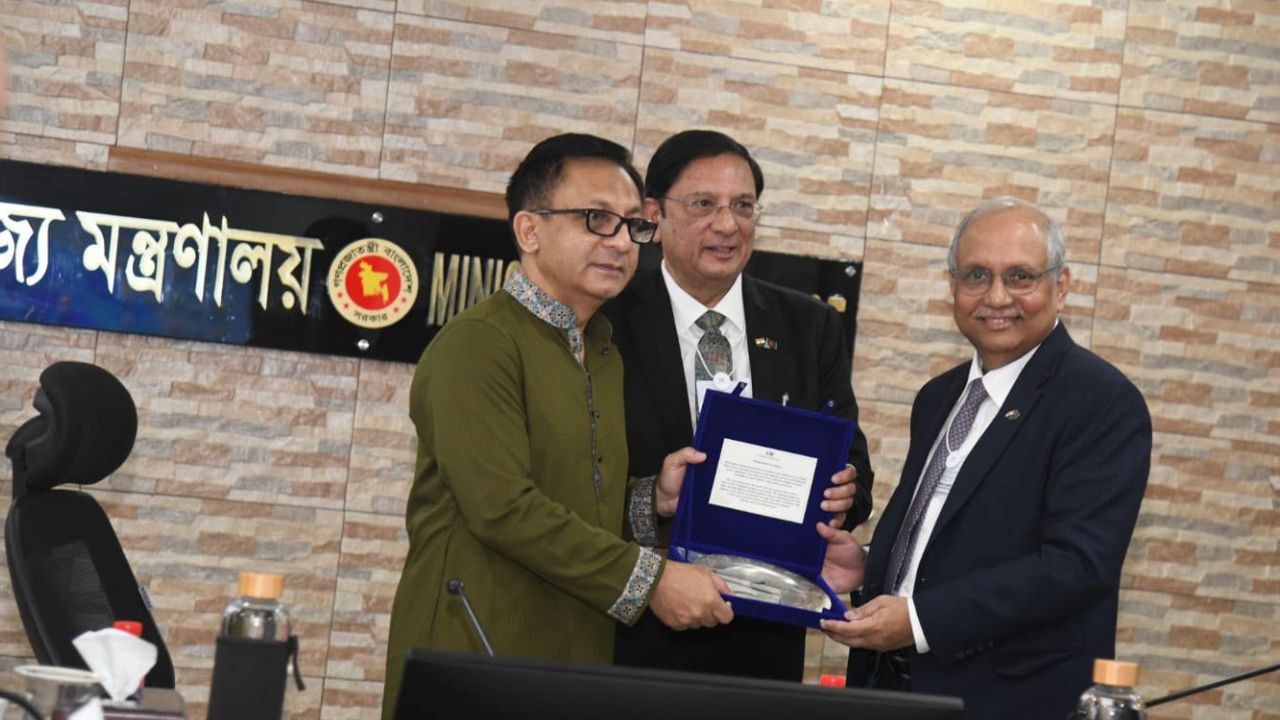
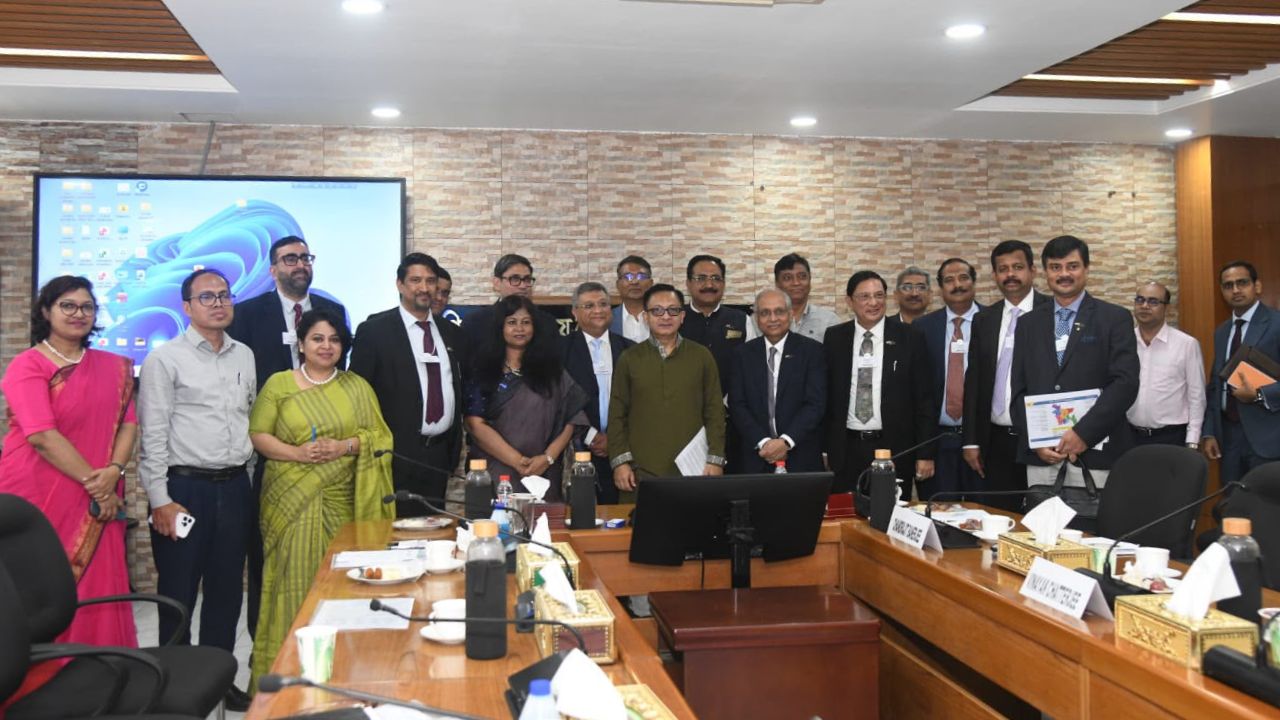
The proposal was discussed during a meeting between a CII delegation – comprising leaders of India’s top business organisations and representatives of renowned companies – and Commerce Minister Khandakar Abdul Muktadir at the Commerce Ministry on Tuesday.
Digital and infrastructure focus
The proposed business-to-business (B2B) task forces are designed to address specific growth areas.
One will focus on sharing India’s experience and cooperation in digital transformation, while the other will explore ways to increase Indian investment and financing in Bangladesh’s infrastructure sector.

Muktadir noted that the proposal is also slated for discussion with the Federation of Bangladesh Chambers of Commerce and Industry (FBCCI).
Minister Muktadir welcomed the initiative, stating that substantial infrastructure investment is essential for Bangladesh to transition into a trillion-dollar economy. He highlighted the need for massive funding in sectors such as new railways, highways, ports, and LNG infrastructure.
He added that if Indian investors show interest and the terms are profitable for Bangladesh, the government will view such cooperation positively.




Addressing land port inefficiencies
During the meeting, Indian investors, including those already operating in Bangladesh, raised concerns regarding product handling at land ports. They emphasised the need for more efficient cargo handling, particularly at Benapole, to reduce transport and raw material costs.
“Political and commercial relations cannot be seen in complete isolation,” the Minister remarked, adding that increased trade and business connectivity would benefit both nations. He cited the European Union as an example of how regional cooperation is vital for economic progress.
Logistics and commodity prices
Addressing journalists’ questions regarding the market situation six months into his tenure, Muktadir expressed his dissatisfaction with current commodity prices and the cost of living.
However, he noted that price reduction is not solely a matter of market monitoring; it is tied to energy prices, interest rates, productivity, and infrastructure.
The Minister pointed out that logistics costs in Bangladesh account for approximately 16 per cent of GDP, significantly higher than the international average of 10 per cent. This creates additional costs when transporting goods from production sites to retail markets.
To stabilise the market and eventually reduce the cost of living, the government is working on ensuring uninterrupted and affordable energy through new LNG infrastructure, gas supply, and power plant operations.
Regarding seasonal price hikes for items like green chillies and onions, the Minister mentioned that the Ministry of Agriculture is initiating contract farming and planned production to bridge supply gaps.
He concluded that market stability would improve as developments in energy, infrastructure, and supply chain management progress in tandem.