A tug-of-war inside the White House is shaping US President Donald Trump’s shifting public statements on the Iran war, as advisers debate when and how to declare victory while the conflict spreads across the Middle East.
Some officials have warned that rising gasoline prices linked to the US–Israeli offensive could carry political costs, while hawkish allies are urging Trump to maintain military pressure on Iran, according to interviews with a Trump adviser and people familiar with the discussions, Reuters reports.
The internal debate offers a rare glimpse into White House decision-making during the largest US military operation since the 2003 Iraq war.
Nearly two weeks after launching the campaign on 28 February, Trump has shifted from broad war goals to describing the conflict as a limited operation whose main objectives have largely been achieved.
However, his messaging has remained inconsistent, unsettling financial and energy markets. At a campaign-style rally in Kentucky on Wednesday he declared, “we won” the war, before adding: “We don’t want to leave early, do we? We’ve got to finish the job.”
Economic officials from the Treasury Department and the National Economic Council have warned that an oil shock and rising gasoline prices could quickly weaken domestic support for the war, according to sources briefed on the discussions.

Political advisers including Chief of Staff Susie Wiles and deputy chief James Blair have also urged Trump to define victory narrowly and signal that the campaign is limited and nearing completion.
In contrast, hawkish voices such as Republican Senators Lindsey Graham and Tom Cotton and media commentator Mark Levin are pushing the president to sustain military pressure on Iran, arguing that the United States must prevent Tehran from acquiring nuclear weapons and respond forcefully to attacks on American forces and shipping.
At the same time, figures aligned with Trump’s populist base, including strategist Steve Bannon and television personality Tucker Carlson, have warned against becoming entangled in another prolonged Middle East conflict.



“He is allowing the hawks to believe the campaign continues, wants markets to believe the war might end soon and his base to believe escalation will be limited,” the Trump adviser said.
Asked for comment, White House press secretary Karoline Leavitt dismissed the report, saying: “This story is based on gossip and speculation from anonymous sources who aren’t even in the room for any discussions with President Trump.
“The President is known for being a good listener and seeking the opinions of many people, but ultimately everyone knows he’s the final decision maker and his own best messenger,” she said. “The President’s entire team is focused on ensuring the objectives of Operation Epic Fury are fully achieved.”
Trump has offered varying explanations for the war, ranging from stopping an imminent Iranian attack to crippling its nuclear programme.
Wave after wave of US and Israeli air strikes have killed several Iranian commanders and damaged parts of Iran’s missile arsenal and naval capacity.
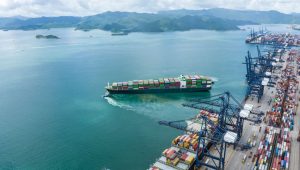
However, Iran has responded by targeting oil tankers and transport facilities in the Gulf, pushing up global oil prices. Traffic through the Strait of Hormuz, which carries about one-fifth of global oil shipments, has slowed sharply.
Iran’s new Supreme Leader Mojtaba Khamenei has vowed to keep the waterway closed, raising fears of prolonged disruption in global energy markets.
Trump has said he will decide when the campaign ends, insisting the operation is progressing faster than the initial four-to-six-week timeline he announced.
Analysts say Iran may still claim victory simply by surviving the US–Israeli assault and demonstrating an ability to strike back.
Experts also question claims that Iran was close to producing a nuclear weapon, noting that much of its enriched uranium stockpile may remain buried after the strikes and could potentially be recovered.
If the war drags on and economic costs rise, analysts warn that support among Trump’s political base could weaken.
Still, Republican strategist Ford O’Connell said Trump retains backing from much of his core support.
“The MAGA base is going to give the president wiggle room,” he said.