Islamic scholars and religious texts have reaffirmed that Zakat is not merely an act of voluntary charity but a fard (obligatory) act of worship and a fundamental right of the poor. This is essential for the purification of wealth and the effective alleviation of poverty in society.
While Allah may choose to forgive lapses in obligations related directly to Him, the rights of fellow human beings (Haqqul Ibad) will not be forgiven by Allah unless the aggrieved party grants pardon. This highlights the gravity of Zakat as a debt owed to the underprivileged.
The dignity of the recipient
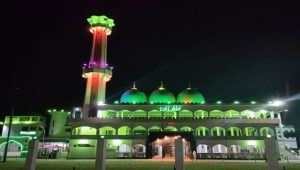
A central theme of the teachings is the honour and dignity of the poor, which is likened to the sanctity of a mosque. Just as Muslims maintain strict etiquette, humility, and silence during Salah (prayer), Hajj (pilgrimage), and Sawm (fasting), they are urged to show the same level of respect when distributing Zakat.

The text points out a “distressing” reality where many donors provide low-quality goods, such as clothes that become unusable after a single wash. Islamic principles dictate that a believer cannot reach true righteousness until they spend from that which they love (Surah Al-Imran 3:92).
Donors are encouraged to ask themselves if they would use the items they are giving away; ideally, any clothing provided should remain wearable at least until the following Ramadan.




Spiritual growth vs usury
There is a sharp contrast between Zakat and interest (Riba). While usury may appear to increase wealth, it holds no value in the sight of Allah. Conversely, Zakat provides barakah (divine blessing) and spiritual growth. A Hadith from Sahih Muslim notes that even a small donation equivalent to a single date, if earned through halal means, can grow in the afterlife to the size of Mount Uhud.
Consequences of non-payment
The excerpts issue a stern warning to those who intentionally withhold Zakat despite it being due. Citing Surah At-Tawbah, the text describes a harrowing punishment where the accumulated gold and silver of the stingy will be heated in the fires of Hell and used to brand their foreheads, sides, and backs.
The Sahih Bukhari and Sahih Muslim record that withheld wealth will take the form of a venomous snake or powerful livestock (camels, cows, and goats) that will torment the owner on the Day of Resurrection.
Ultimately, Zakat should not be viewed as a financial penalty or a “fine”. It is a sacred spiritual investment and a test of faith. The sources conclude by urging the faithful to calculate their Zakat accurately and ensure it reaches the rightful recipients on time to seek the pleasure of Allah.