World Health Organization (WHO) has unveiled its updated Model Lists of Essential Medicines (EML) and Essential Medicines for Children (EMLc), adding life-saving treatments for cancer, diabetes, and obesity. These revisions, marking the 24th edition of the EML and the 10th edition of the EMLc, aim to ensure that more people worldwide have access to the medicines they need.
The new additions to the list reflect WHO’s ongoing commitment to improving healthcare accessibility. With a total of 523 essential medicines for adults and 374 for children, the updated lists focus on treating the most pressing public health issues.
Targeting Cancer
Cancer remains one of the leading causes of death worldwide, claiming nearly 10 million lives each year. To combat this, the WHO Expert Committee has included new cancer treatments, notably pembrolizumab, an immunotherapy that helps the immune system target cancer cells. Pembrolizumab was added for metastatic cervical cancer, colorectal cancer, and non-small cell lung cancer, along with alternatives like atezolizumab and cemiplimab. These additions are part of a broader strategy to reduce inequities in cancer care, especially in resource-limited settings.
Fighting Diabetes and Obesity
As diabetes and obesity continue to rise globally, the WHO has added glucagon-like peptide-1 (GLP-1) receptor agonists—semaglutide, dulaglutide, and liraglutide—to the essential medicines list. These drugs are critical for managing type 2 diabetes, especially for patients with cardiovascular or kidney diseases. Tirzepatide, a dual receptor agonist, is also included to support weight loss in patients with obesity. These treatments offer much-needed hope for millions, particularly in low- and middle-income countries where access to such therapies remains limited due to high prices.
A Step Towards Universal Access
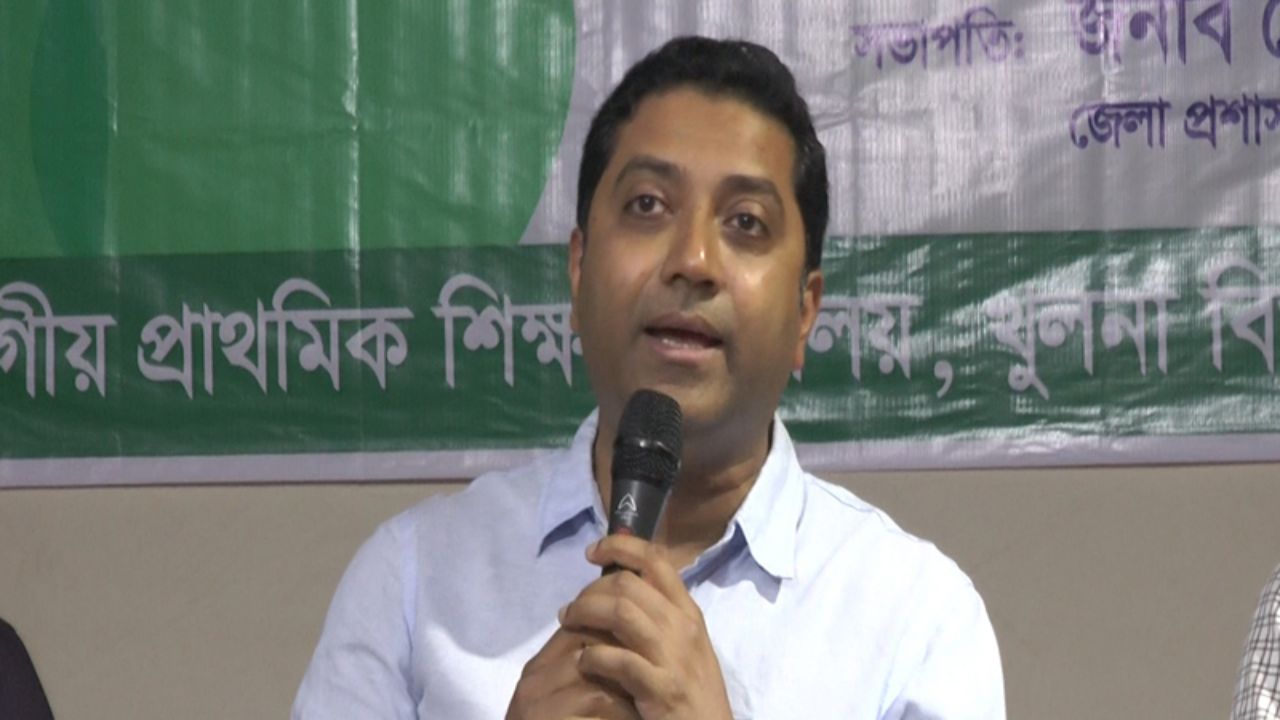
WHO Director of Policy and Standards for Medicines emphasized the need for fair pricing strategies to ensure that essential medicines are accessible to all. He said that achieving equitable access requires a united health system response, backed by political will and international cooperation. WHO will continue to monitor developments, support generic competition, and work toward making these life-changing treatments available to underserved populations worldwide.