Inside the sprawling compound of the Bangladesh Film Development Corporation, the past hangs heavier than the dust on its abandoned sets. BFDC was once the heart of Bangladeshi cinema, the place where timeless films were born and where every corridor hummed with creativity. Today, the word “development” survives only in the name. What remains inside is a quiet sense of loss and a louder question about what went wrong.
“BFDC was created to support filmmakers,” said Shaheen Sumon, President of the Film Directors’ Association. “But now, it feels like a bureaucratic warehouse. The people running it often have no emotional connection with cinema. That’s the biggest tragedy.” His words echo the sentiment of many who watched the institution slide from dream factory to neglected property.
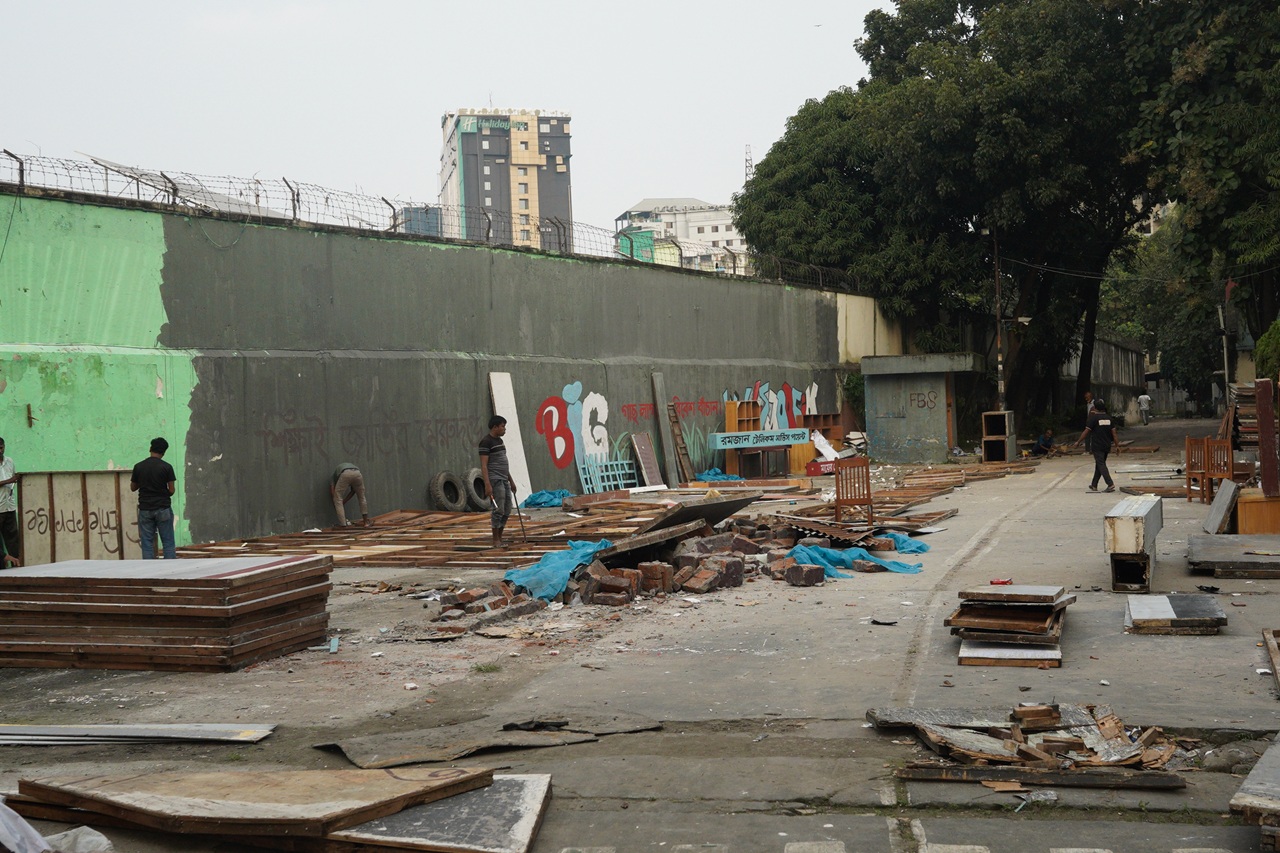
For nearly a decade, BFDC has been on financial life support. From 2015-16 to 2024-25, the government pumped in over Tk 80 crore in grants and loans. Yet this year alone, the corporation made Tk 3.57 crore while spending Tk 24.48 crore. The losses keep piling up, and even the Ministry of Information & Broadcasting seems tired of endless bailouts.

BFDC has now asked for a fresh Tk 118 crore block allocation for 2025-26, but officials are exploring ways to make the institution less dependent, from better use of land to offering voluntary retirement packages. For film critic Bidhan Ribeiro, the problem goes beyond money.
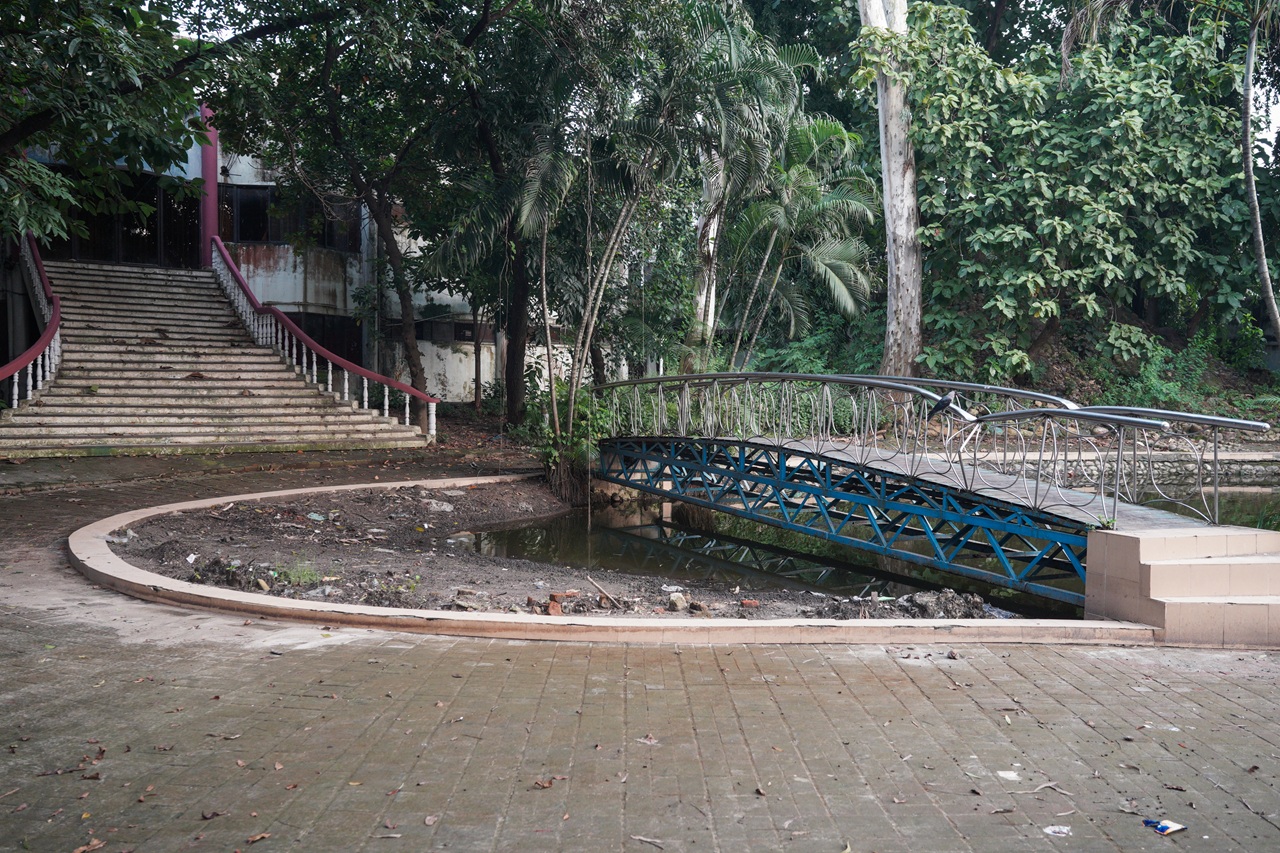
“BFDC’s core issue is vision,” he said. “You can buy new cameras or build new buildings, but without a plan and the right people, nothing changes.” He reminded that BFDC was designed to bring sound, editing, set-building, and post-production under one roof, a system that crumbled long ago.




Most filmmakers now avoid the compound altogether because of mismanagement, outdated equipment and a culture of indifference. Even BFDC’s own leadership admits the technological collapse. Managing Director Masuma Rahman Tani said no investment was made in modernisation for 16 years.
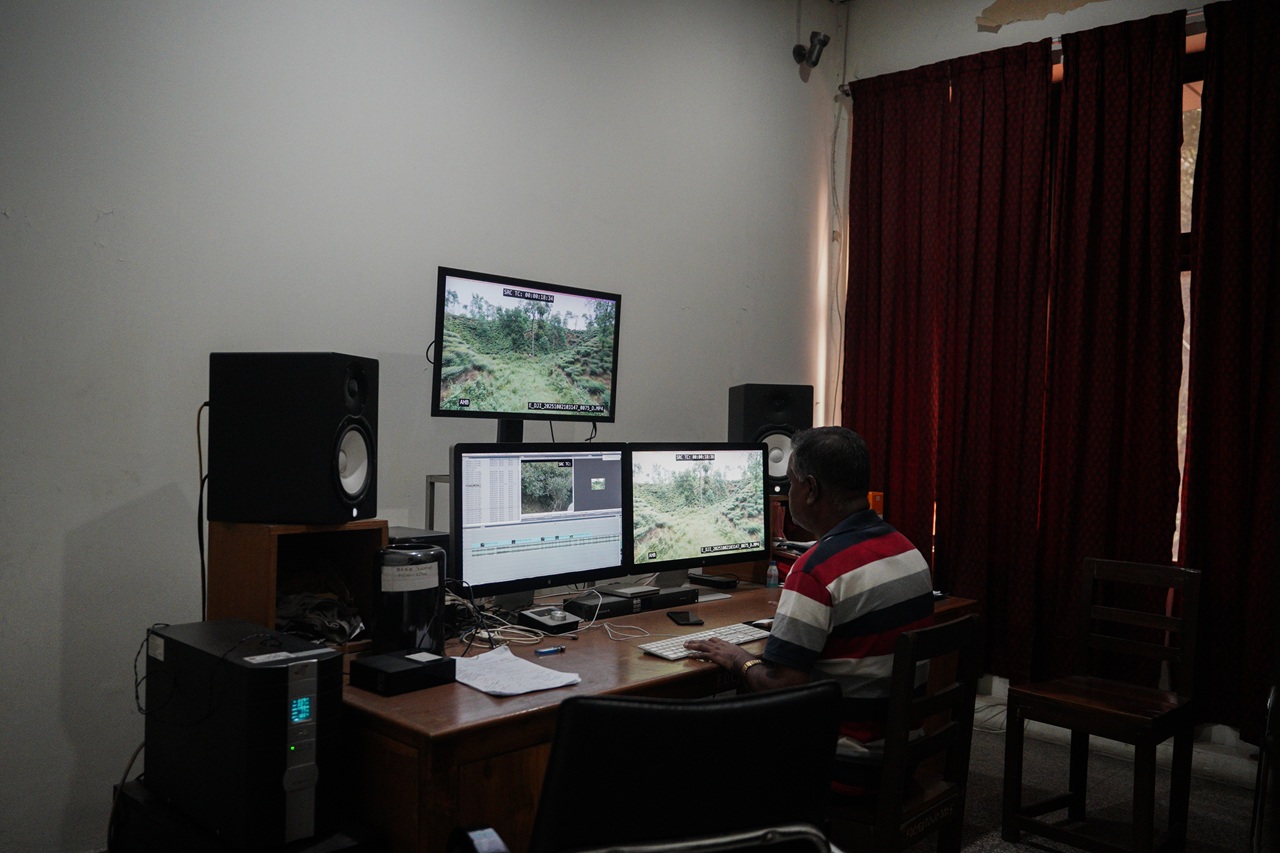
“We have fallen behind because of worn-out gear and decrepit floors. With modern technology, BFDC could turn profitable again,” she said.
Her colleague, Deputy Director (Marketing) Hannan Majumder, put it bluntly. “In 2016, we bought five Sony cameras. Of our total eight, only three are running. The rest are beyond repair. Because we failed to keep pace with technology, BFDC lost its sparkle,” she said.
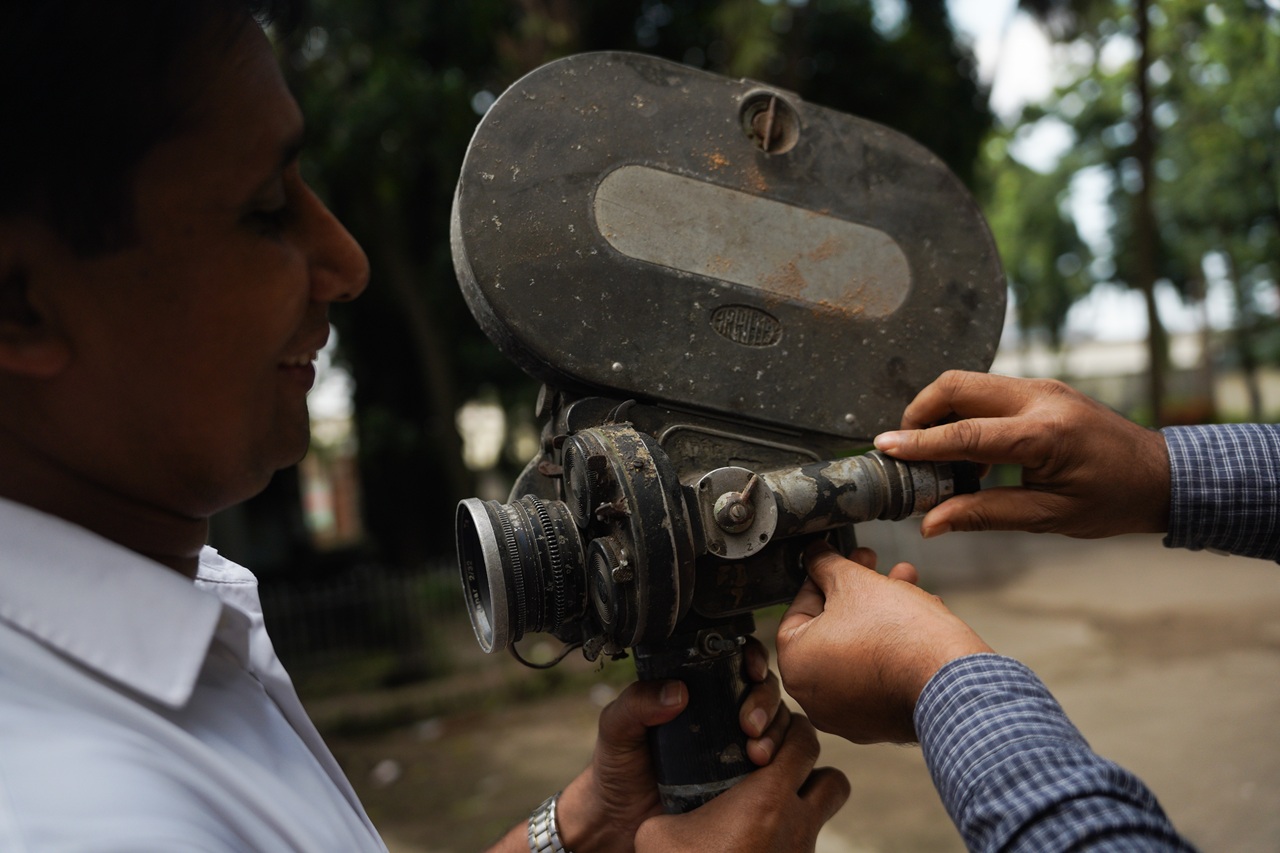
BFDC stopped being a creative space and became an office run on paperwork. Film students graduate every year, but the institution has never become their platform. Projects start and stall; promises are launched and abandoned. Even the new 12-15-storey building, approved in 2018 with a budget of over Tk 320 crore, crawls forward painfully slowly despite official claims of full-steam progress.

Yet the place isn’t dead. The central location, the legacy and the infrastructure are all waiting to be revived. “BFDC isn’t just a building,” Sumon said. “It was our home once. But today, no one goes there unless they’re forced to. That should tell you everything.”
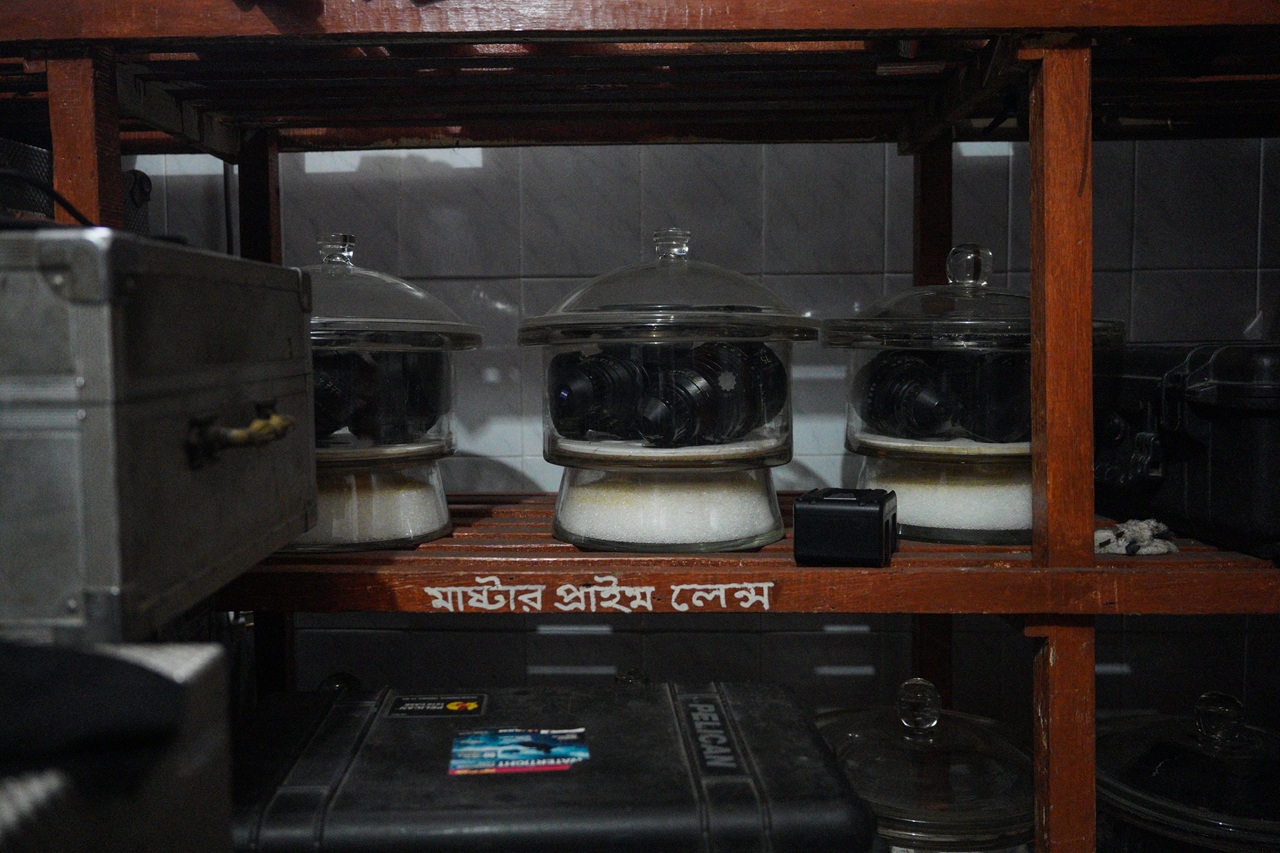
The road to revival requires modern cameras, renovated spaces, a completed complex, business-minded operations and leadership that loves cinema more than files. Only then can BFDC rediscover the heartbeat it lost.