


United International University (UIU) has warned that rising heat stress and air pollution are reducing worker productivity, widening labour-market inequalities and threatening economic growth across South and Southeast Asia.
The university’s School of Business and Economics organised the seminar, titled “The Double Burden of Climate Change: How Heat Stress and Air Pollution Stratify the Workforce”, as the second event in its NEXUS Seminar Series, which is designed to support continuing dialogue among industry and academia on business, economic and social issues, UIU said in a press release.
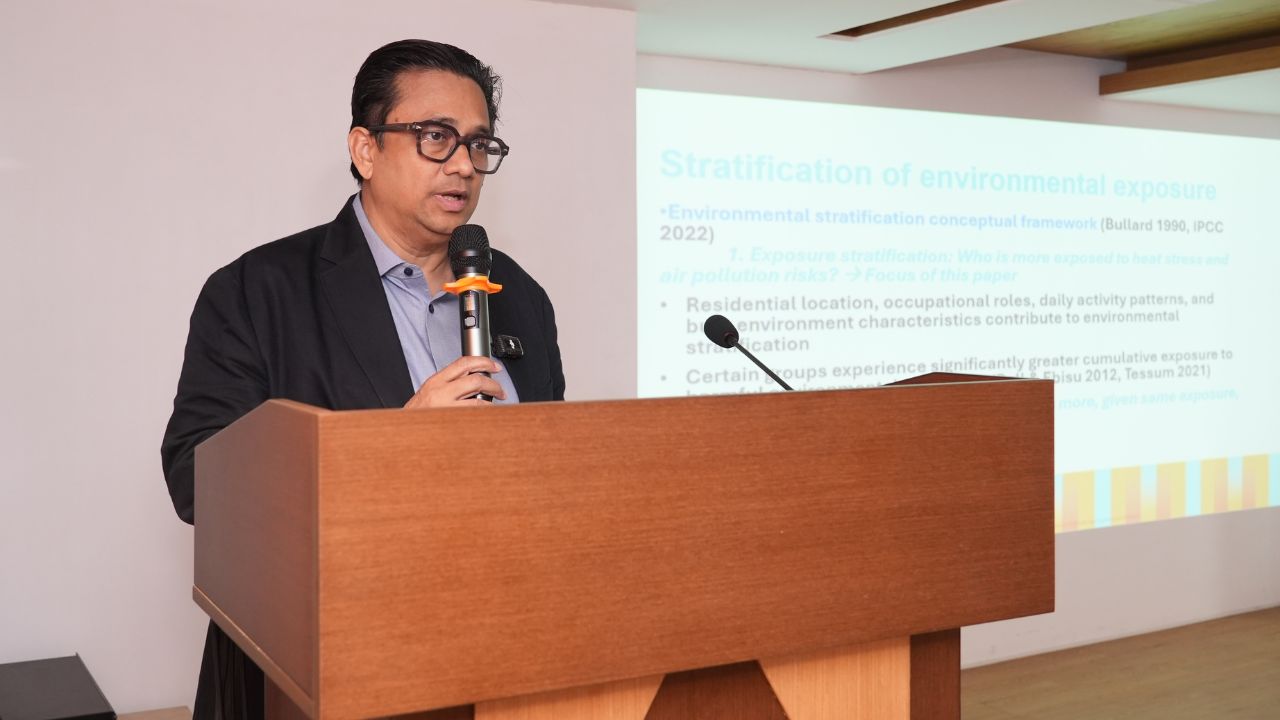
Minhaj Mahmud, Senior Economist at the Asian Development Bank, delivered the keynote lecture, highlighting how climate-related heat and air pollution were creating a “double burden” for workers and economies.
Drawing on research from several Asian countries, he said the risks were unevenly distributed, with outdoor workers, women, older people and residents of densely populated cities such as Dhaka facing disproportionate exposure.

The combined effects were undermining public health, reducing productivity and worsening structural vulnerabilities in labour markets, he said.
Mahmud called for the development of a climate-resilient workforce and the adoption of evidence-based policies to support sustainable and inclusive economic growth.
As Bangladesh prepares to graduate from least developed country status, both short- and long-term strategies are needed to limit the economic effects of climate change, he said.



A panel discussion featured Nazmul Chaudhury, Principal Economist for Economics Research and Development Impact at ADB, and Professor Abdul Bayes, former Vice-Chancellor of Jahangirnagar University.
They discussed the effects of climate change on labour markets, economic competitiveness and sustainable business practices.
The panellists called for climate resilience to be incorporated into national development planning, alongside stronger evidence-based policymaking, investment in climate-adaptive infrastructure and improved occupational safety.
They also stressed greater collaboration among academia, government, development partners and the private sector to address emerging environmental and workforce challenges.
M Niaz Asadullah, Professor and Convener of the NEXUS Seminar Series, said the programme sought to encourage academic discussion on issues central to Bangladesh’s economic transformation, climate resilience and sustainable development.
He said the series provided a platform for sharing knowledge and experience among government, industry and academia.
Salma Karim, Professor and Director of UIU’s BBA programme, also addressed the seminar, which ended with an interactive question-and-answer session.
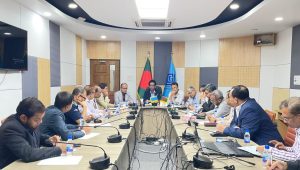
Heads of departments, faculty members, researchers, administrative personnel, students and senior representatives from the corporate sector attended the event.