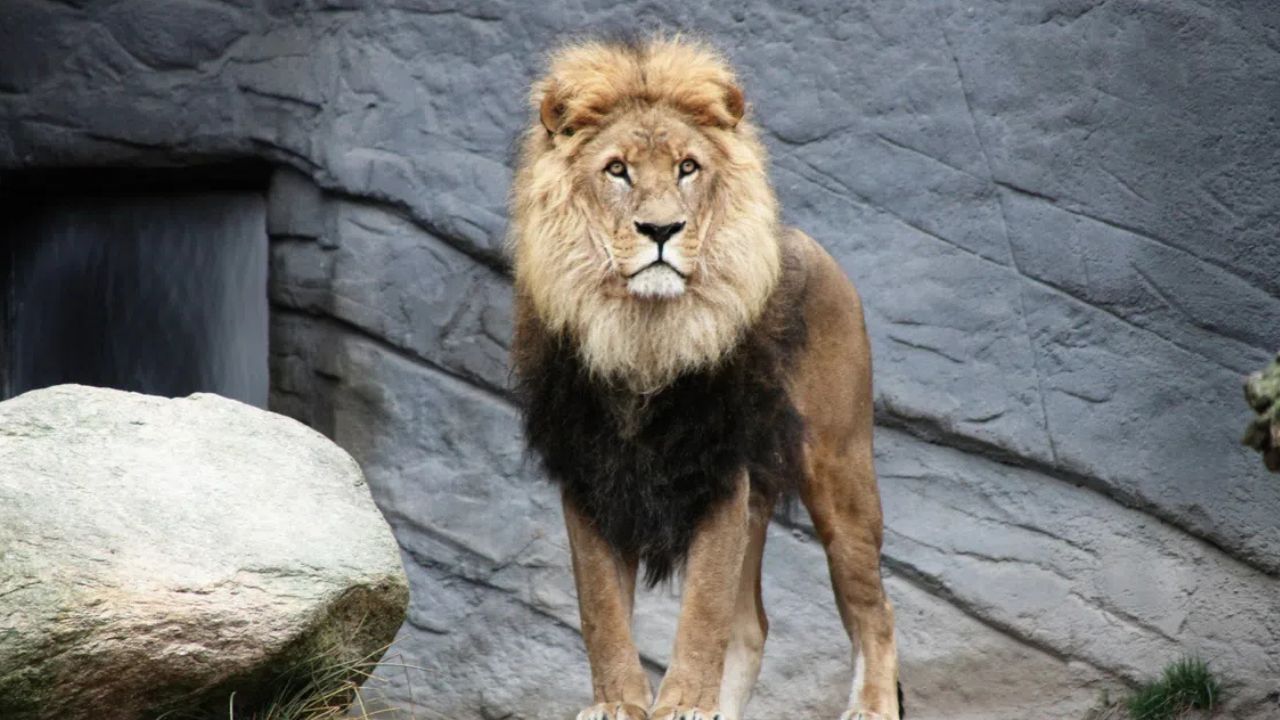



Three lions at Tokyo’s Tama Zoological Park have died from suspected heatstroke, while others remain under treatment, a spokeswoman said Tuesday, with the animals struggling against high humidity.
Japan endured its hottest summer on record last year, and parts of the country have recently hit 40C, qualifying for the new designation “cruelly hot day.”
Since mid‑July, 10 of the zoo’s 16 lions showed symptoms including loss of appetite and reduced activity. Three lionesses died — one Tuesday, another Friday, and the third Sunday, the zoo said.

“Our veterinarian suspects heatstroke as dehydration and multiple organ failure were observed,” the spokeswoman told AFP.
Although lions are considered heat‑resistant, keepers have strengthened countermeasures in recent years. “Heat here comes with high humidity, unlike the dry heat in Africa,” she said, adding that this summer’s sudden rise in temperature after the rainy season worsened conditions.




The zoo is now expanding measures, including sprinkling water, improving ventilation and installing spot air conditioners. Several lions are still under treatment.
Nationwide, nearly 18,600 people were hospitalized for heatstroke between 20 and 26 July, with 45 pronounced dead on arrival, according to the fire and disaster management agency. Japan records about 1,300 heat‑related deaths annually and aims to halve that figure by 2030.
Scientists warn that human‑induced climate change is intensifying extreme heat events in Japan and elsewhere. The country’s highest temperature was 41.8C in Isesaki, north of Tokyo, on 5 August 2025.
Authorities have rescheduled cultural and sporting events in recent years due to heat, including the World Cosplay Summit in Nagoya, which held its last summer edition last weekend.