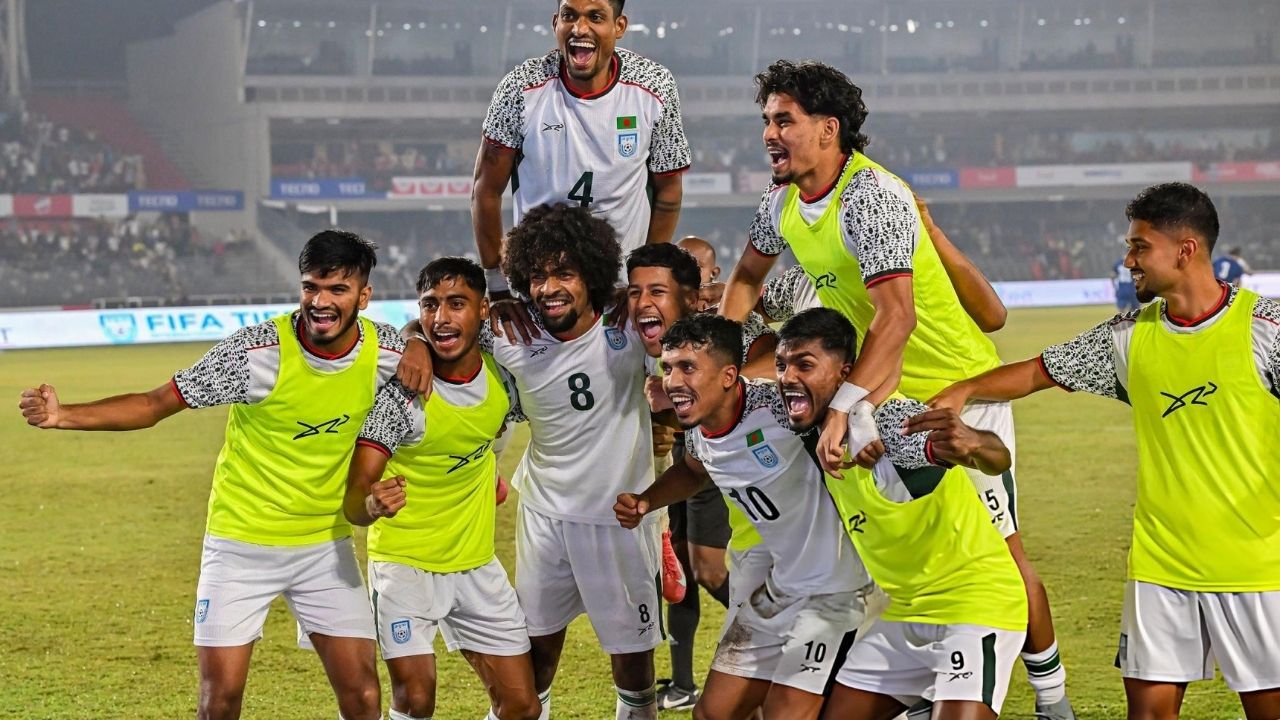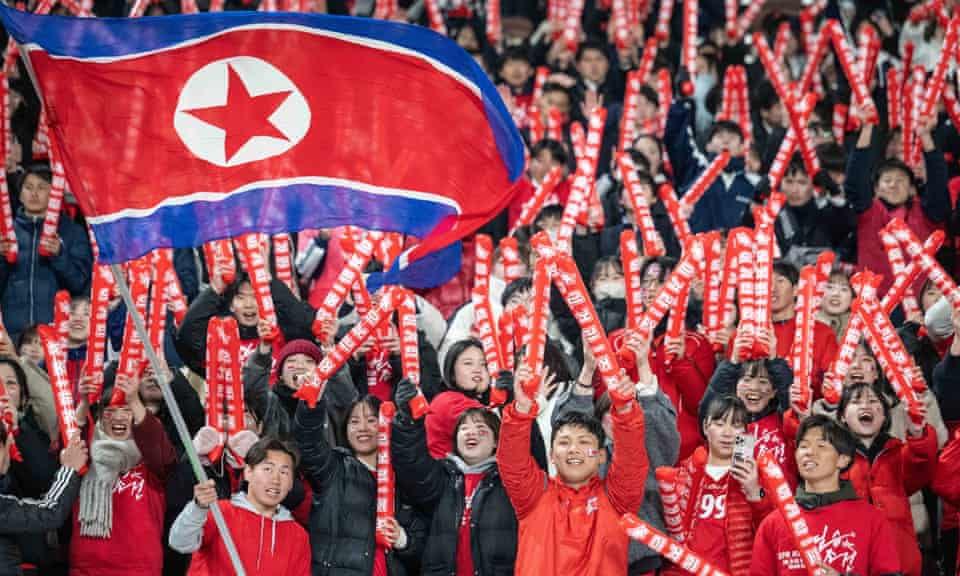

North Korea stormed into the Asian Cup quarter-finals in Sydney on 6 March after a ruthless 5-0 demolition of Bangladesh. The victory followed an earlier 3-0 win over Uzbekistan in Group B and pushed the tournament’s most enigmatic side into the knockout stage.
The scoreline surprised nobody who tracks Asian football. North Korea’s women consistently punch above their weight.
The mystery sits elsewhere. Their players sharpen skills in a domestic league that barely exists to the outside world.
Search engines draw a blank. Even Wikipedia fails to deliver a current table or fixture list. Fans across the globe only glimpse these players when they surface in FIFA or AFC tournaments.

That secrecy does not happen by accident. North Korea’s football structure thrives behind a locked door.
The football programme The Sweeper Podcast recently peeled back part of that curtain. Their report described a competition that guards information tighter than most state institutions.




League organisers refuse to publish fixtures in advance. Stadium officials announce matches just one day before kick-off, often through notices outside the ground. Supporters then turn up the following day.
Foreign observers rarely catch the news in time. State media release match reports long after the final whistle.
That blackout extends into the digital age. Live-score apps track leagues from obscure Caribbean islands and Eritrea. North Korea still slips through the net.
Yet fragments of structure still emerge. The country operates three tiers of football for both men and women, with a season stretching from December through September.
FIFA technically labels those footballers “amateurs.” The label feels slippery.
Most players hold salaried positions inside the institutions they represent. Clubs often tie directly to government ministries, factories or military organisations. The players train and compete like professionals while technically carrying worker status.
That hybrid model produces disciplined, physically relentless squads. Bangladesh learned that the hard way in Sydney when North Korea’s attackers sliced through defensive lines with ruthless efficiency.
The secrecy surrounding the league hardly looks like a weakness. It instead shields a development system opponents rarely study.