In the aftermath of popular content creator and actress Kaarina Kaisar’s death, social media timelines were filled with tributes and public expressions of grief. Alongside condolences, however, comment sections quickly revealed a more troubling pattern of insensitive remarks, ideological hostility and deliberate provocation, a behaviour that has become increasingly common under posts of public figures.
Celebrity comment sections, particularly in this subcontinent, were once a space for admiration, curiosity and occasional critique. Today, they increasingly function as unregulated public arenas where praise, judgment, mockery and outright hostility coexist with little restraint.
A single post by a public figure can trigger thousands of responses within minutes. Alongside genuine appreciation and discussion, there is now a predictable layer of irrelevant remarks, personal attacks, moral policing and deliberate provocation. The line between expressing an opinion and engaging in misconduct has become increasingly blurred.
What stands out is not only the presence of negativity, but its normalisation. Comments that would once be considered socially unacceptable are now routinely posted without hesitation; expressions of empathy coexist with ridicule, often under the same post, without any sense of contradiction among users.

This behaviour is partly shaped by the architecture of social media itself. Platforms reward engagement, not restraint. Content that provokes reaction tends to travel further, while nuanced or respectful interaction rarely gains visibility.
Over time, this incentive structure encourages louder, more extreme and more emotionally charged participation.

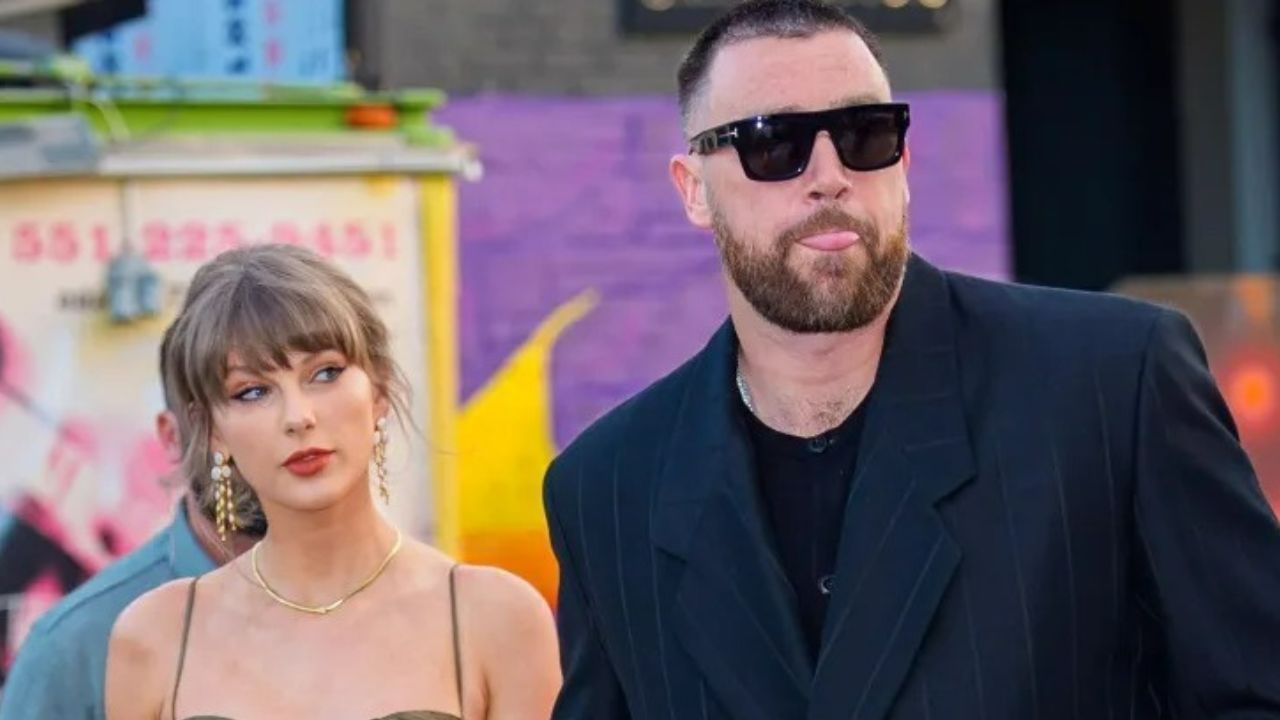


Anonymity and distance further reduce accountability. Interacting with celebrities through screens creates a psychological gap that makes it easier to forget the human presence behind the post. Public figures become symbols for projection rather than individuals engaging in communication.
At the same time, the idea of access has changed. Social media has created the impression that direct interaction with celebrities is not only possible but informal and unrestricted. This perceived closeness often leads to overstepping boundaries that would otherwise remain intact in traditional public settings.
This culture is also deeply gendered. Female celebrities in particular are subjected to intensified scrutiny, where body-shaming, slut-shaming and moral judgment often replace meaningful critique, turning comment sections into spaces of public character assessment rather than discussion.
These patterns are frequently intensified by religious or cultural framing, where personal choices are interpreted through rigid moral lenses.
The result is a comment culture that oscillates between admiration and aggression without consistent norms of civility. Respect is no longer assumed as a baseline; it is selectively applied depending on personal belief, emotion, or group alignment.
The issue is not criticism itself. Public figures are, by definition, open to scrutiny. The concern lies in the erosion of proportionality and context. Critique increasingly merges with insult, disagreement blends into hostility and expression often ignores basic considerations of empathy or relevance.
As celebrity culture continues to evolve alongside platform dynamics, the comment section has become a mirror reflecting broader social behaviour online. What appears there is not just about celebrities, but about how public discourse is changing when visibility, anonymity and immediacy intersect.
The question is no longer whether people should have a voice. It is whether that voice can still recognise boundaries when speaking in a shared digital public space.