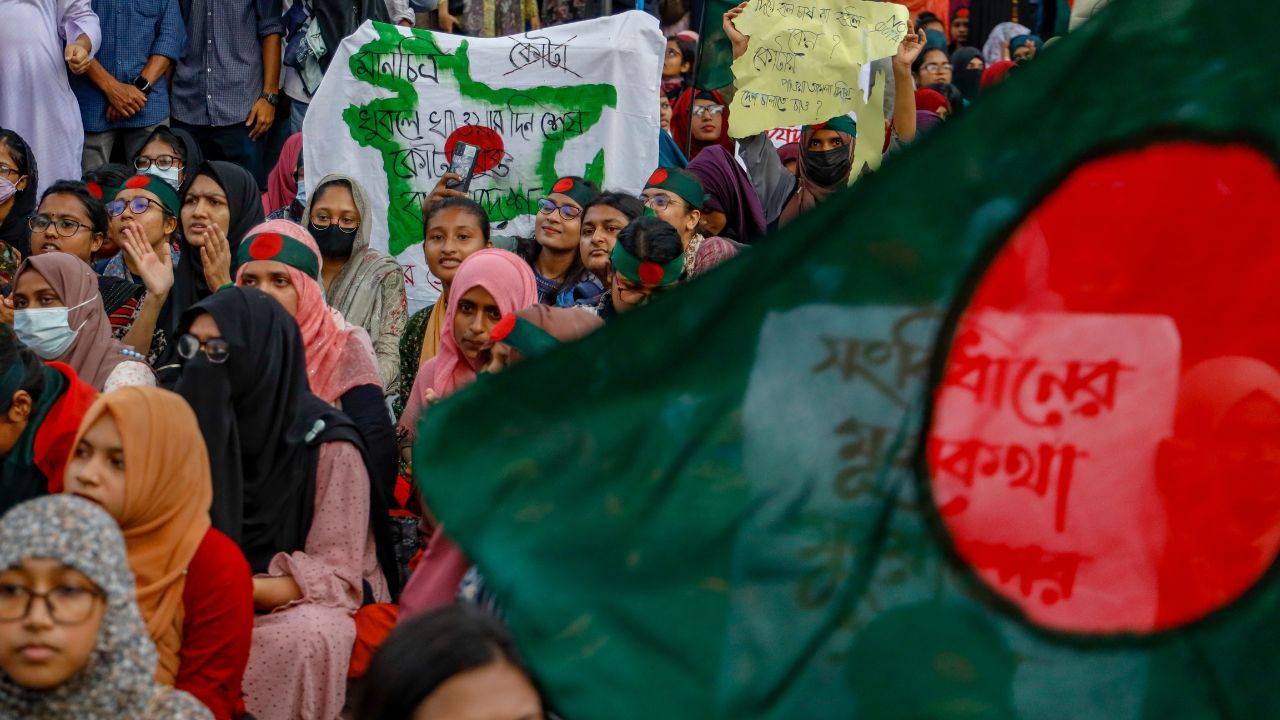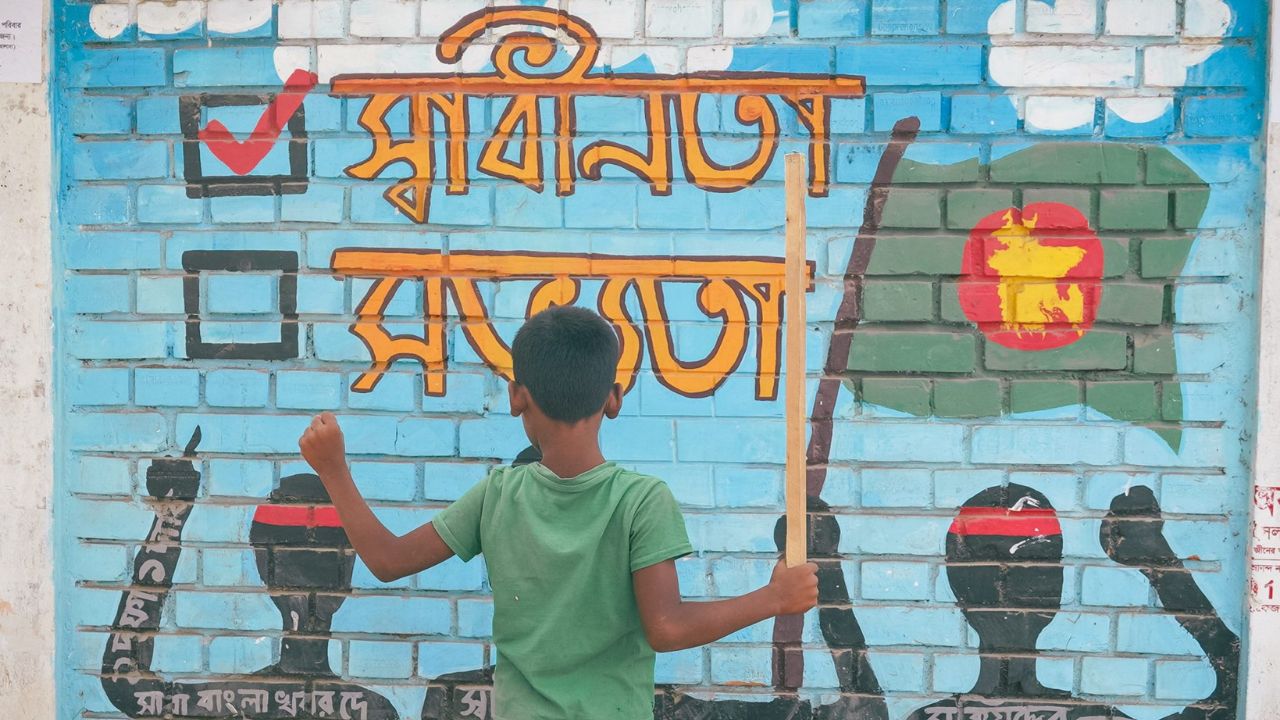
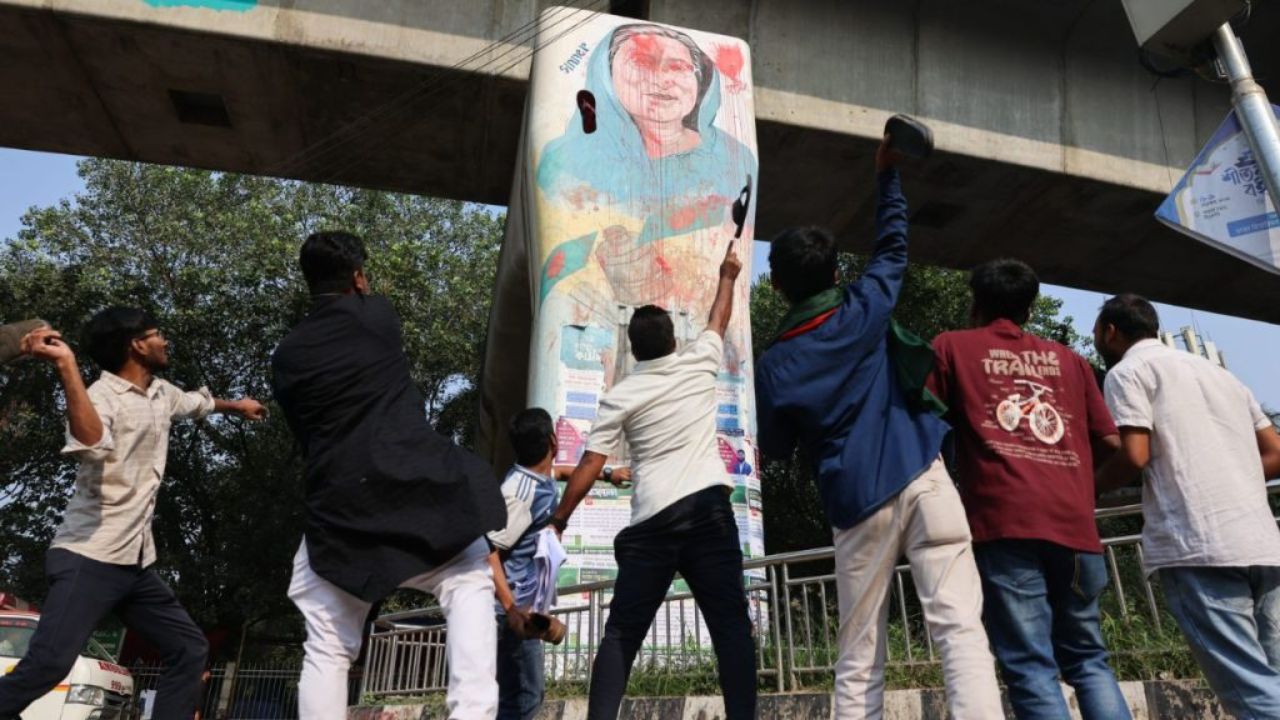

Private university students who participated in the July Mass Uprising say many of the movement’s aspirations—including building a more equitable, democratic and accountable state—remain unfulfilled two years later.
They also say they have been largely excluded from political and state decision-making despite their role in sustaining the protests.
According to them, meaningful reforms of the administration, judiciary and other state institutions have yet to materialise. Many also express frustration over what they describe as their limited inclusion in the country’s post-uprising political process.
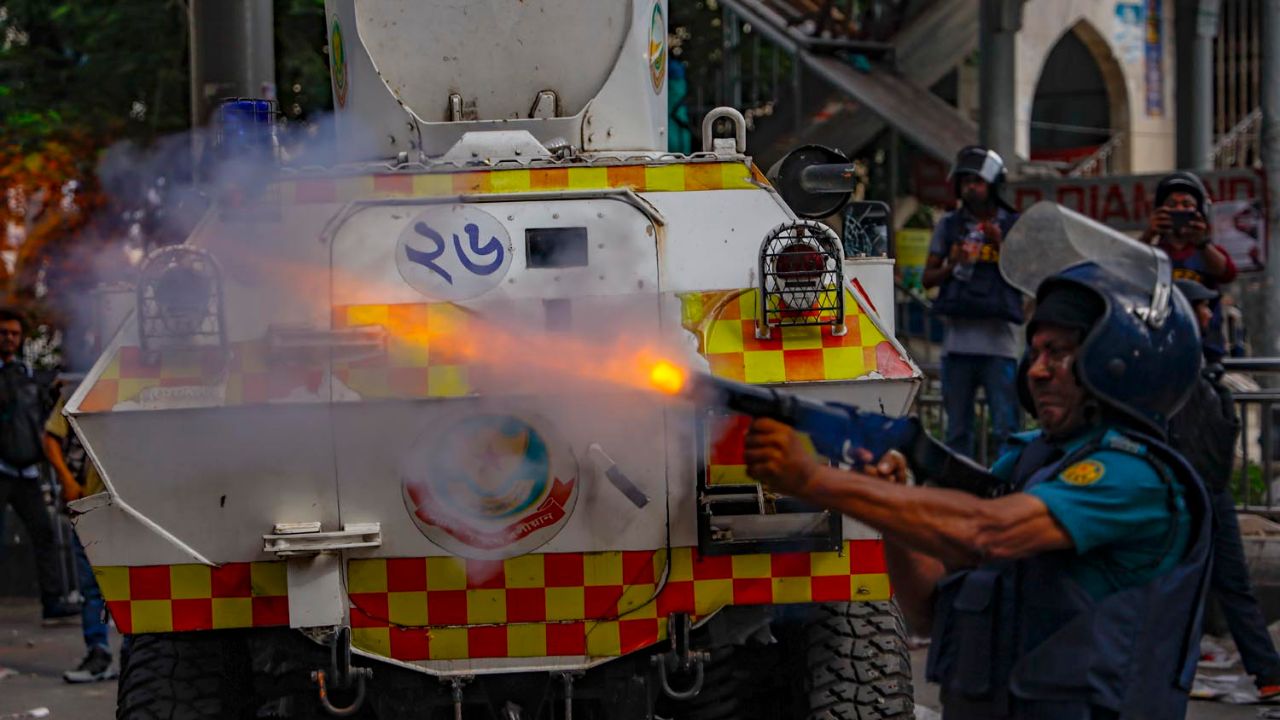
On 18 July 2024, the Anti-Discrimination Student Movement announced a nationwide comprehensive blockade programme. Reports from that day said 27 people were killed in clashes and shootings across the country.
Following the violence on 16 and 17 July and the closure of public university residence halls, students from private universities emerged as a major force in sustaining the movement.

According to a statement issued at the time by then state minister for Liberation War Affairs Ishraq Hossain, four students were killed that day, a development many participants believe marked a turning point in the uprising.
Media reports said at least 15 students from different private universities were killed and more than 200 injured during the uprising. However, students involved in the movement claim the actual number of casualties was significantly higher.
They say they did not join the protests in pursuit of political power or personal gain. Rather, they were driven by demands for equality, social justice, democratic rights and fundamental reforms of state institutions. Two years later, many believe those goals remain largely unrealised.
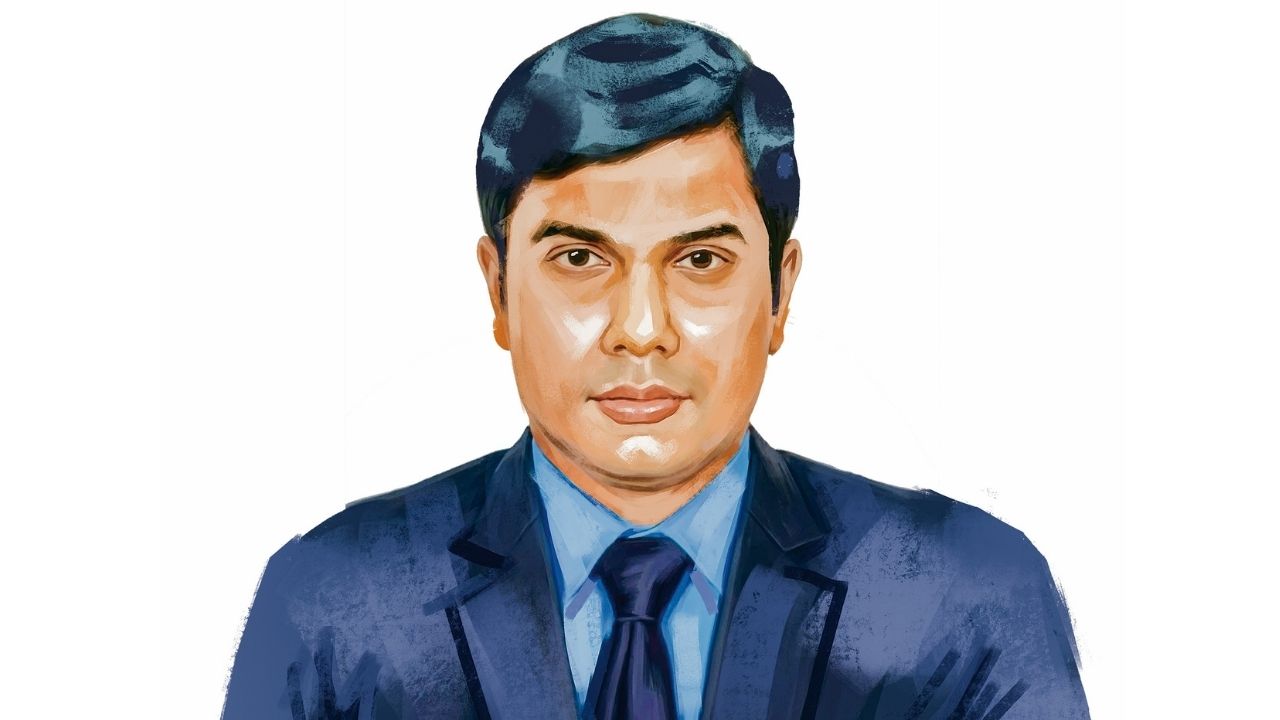


Naim Abedin, an East West University student, former coordinator of the Anti-Discrimination Student Movement and senior joint general secretary of Jatiya Chhatra Shakti, said the movement was never about political power. “We joined the movement to establish equality, social justice, human dignity and democratic rights,” he said.
According to Naim, political influence, nepotism and institutional discrimination had long deprived ordinary citizens of equal opportunities. Protesters envisioned a state where merit and competence, rather than political connections, would determine people’s place in society.
He said parts of the administration, law enforcement agencies and the judiciary had lost public trust due to political interference and partisan interests. Allegations of campus dominance, violence, extortion and intimidation by the Chhatra League and the Awami League further fuelled public anger.
“The movement was not limited to quota reform. It became a broader protest against discrimination, oppression and authoritarianism,” Naim said. He believes the constitutional, administrative and bureaucratic reforms envisioned by protesters have yet to materialise, while political parties are increasingly competing to claim credit for the uprising.
Lamia, a student of North South University, said private university students initially had little direct interest in government jobs or the quota system but joined the movement after attacks on protesters intensified.
“When the residential halls became empty, private university students played an important role in sustaining the protests,” she said, adding that many were injured or killed. She said students expected their sacrifices would earn them meaningful participation in political and state decision-making. Instead, many now feel excluded from those processes.
Lamia also expressed concern that allegations of corruption, extortion and abuse of power have persisted despite the change in government. “Many students now fear they are moving from one form of authoritarianism to another,” she said.
Jaber Bin Noor said the aspirations of the July uprising extended far beyond immediate political demands. “Not even 10 percent of those aspirations have been fully realised,” he said, while acknowledging that large-scale state reforms cannot be completed within a short period.
He believes internal divisions and narrow political interests among some leaders have weakened the movement’s public appeal. According to Jaber, private university students joined the movement seeking institutional reforms, protection of citizens’ rights and a democratic system free from authoritarianism.
Afifa, a student of the University of Liberal Arts Bangladesh, echoed similar concerns, saying only a small portion of the uprising’s aspirations had been realised. She argued that internal divisions among political leaders had slowed reform efforts and weakened public confidence.
The students interviewed stressed that the July Mass Uprising was not merely a movement to change a government. For them, it represented a demand for democratic reforms, accountability and the protection of citizens’ rights—goals they believe remain far from fulfilled.
“The fall of a fascist regime in July did not mark the end of the struggle,” Naim said. “The fight will continue until an effective democratic system, an accountable administration and a humane state that reflects the aspirations of the people are established.”