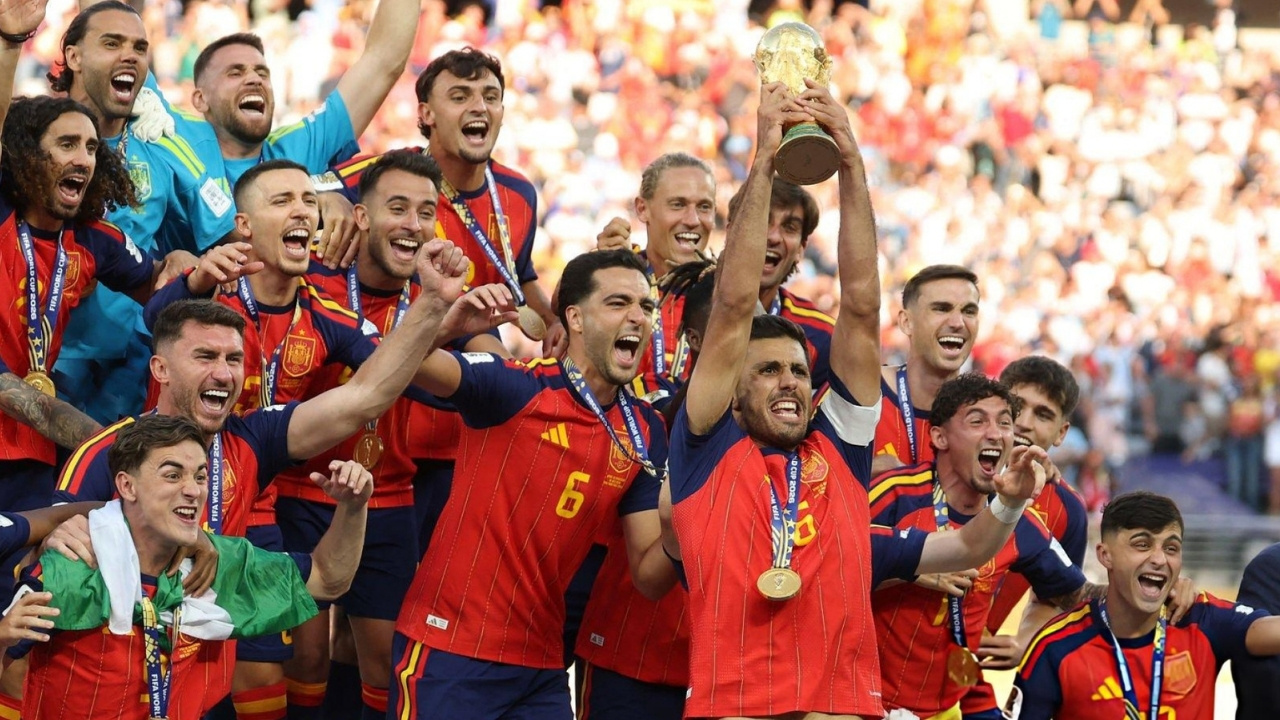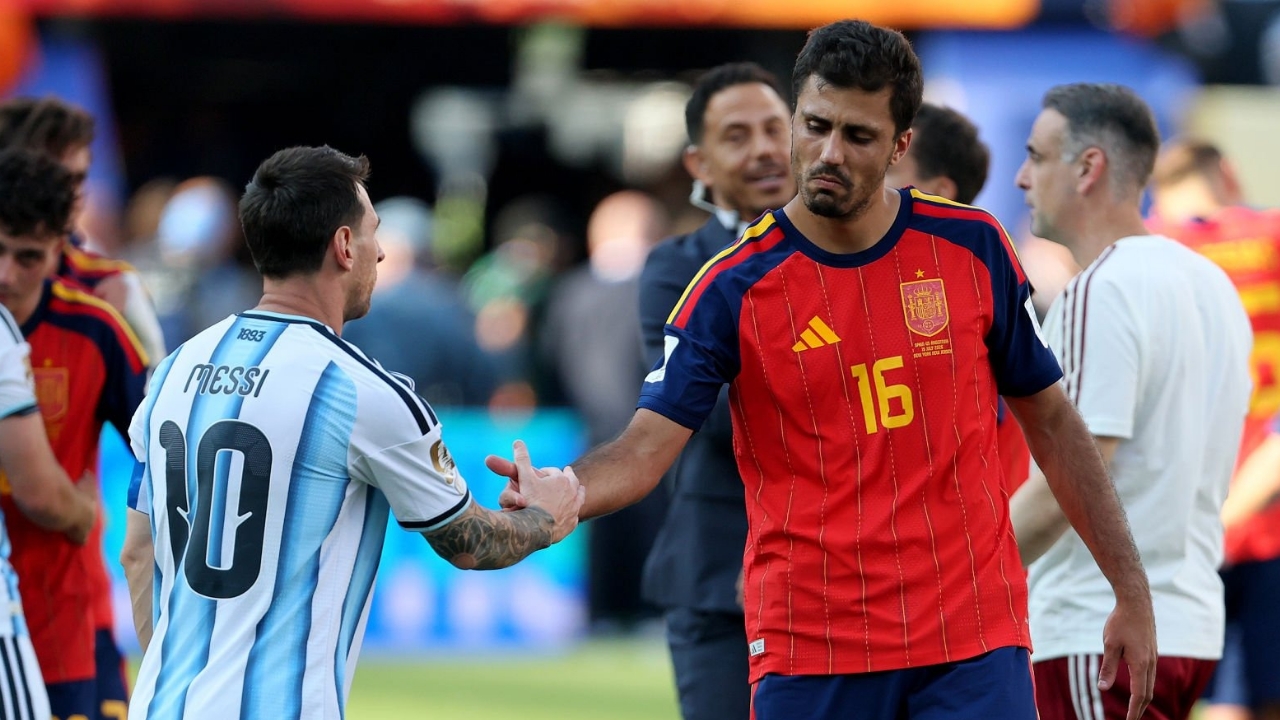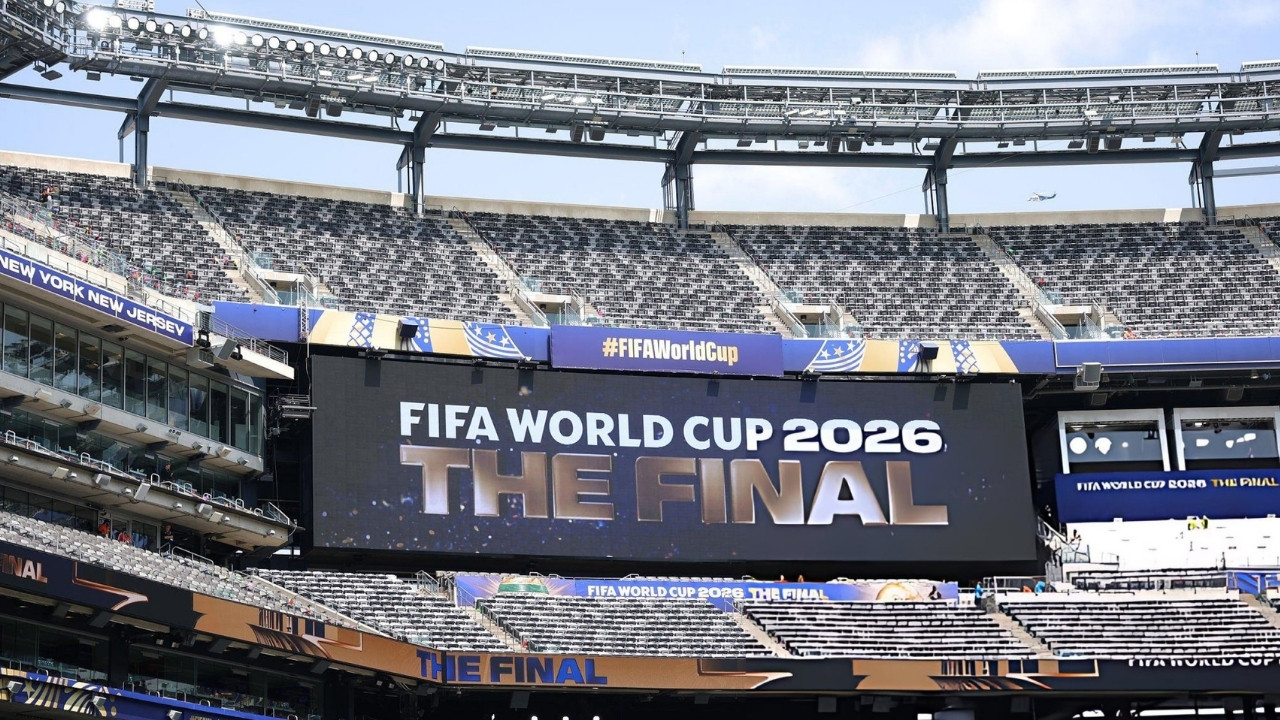

The World Cup final between Spain and Argentina will feature something no previous final has had: a full half-time show, with Madonna, Shakira, Justin Bieber and BTS all set to perform at MetLife Stadium in New Jersey.
The match kicks off at 3:00pm local time (19:00 GMT) on 19 July, with a closing ceremony beginning earlier at 1:30pm local time (17:30 GMT), headlined by Post Malone alongside Laura Pausini, Nicole Scherzinger and Robbie Williams, with Tom Cruise also set to make an appearance. Jennifer Hudson will sing the American national anthem before kickoff.
The half-time performance itself is expected to run for around 11 minutes, but reports suggest the overall interval could stretch to between 20 and 25 minutes once stage assembly and removal are accounted for, well beyond the standard 15-minute limit set out in the Laws of the Game by the International Football Association Board (IFAB). FIFA has not confirmed the exact length of the break, though competition organisers can request an extended interval with the referee’s approval.

This will not be the first time FIFA has trialled the format. Last year’s Club World Cup final at the same stadium featured a 24-minute half-time show with Coldplay, J Balvin, Doja Cat and Tems, staged on a platform built into the stands rather than on the pitch itself. Monday’s show, curated by Coldplay’s Chris Martin, will instead be built directly on the playing surface before being dismantled ahead of the second half.
The move has drawn criticism from some fans and pundits over player welfare, given IFAB’s own guidance has previously cited concerns about cold muscles and injury risk when rejecting requests to extend half-time. CONMEBOL faced a similar backlash when it allowed a stretched interval for a Shakira performance at the 2024 Copa America final, a decision Colombia coach Nestor Lorenzo criticised at the time for its inconsistency with penalties players face for running over the standard 15 minutes themselves.

British football content creator Ellis Platten, who has followed the tournament across host cities for the past month, said he was unconvinced by the addition. “I get that it’s the World Cup final, but it’s the most watched event in the world already, and I don’t think you need to add these things to it,” he said, adding that players are typically restless by the end of a normal break, let alone an extended one.
Sports broadcaster Betty Glover, who covered both this year’s World Cup and last year’s Club World Cup final at the same venue, was more open to the concept, provided it does not compromise the football itself. “If entertainment attracts new fans without compromising the football, then it is a positive thing,” she said, while adding she was unsure the format would translate to World Cups hosted outside North America, such as the 2030 tournament across Morocco, Spain and Portugal.
James Massing of Live Nation, which is producing the show, said heightened fan expectations around major sporting events meant music was likely to feature more prominently in future, pointing to a similar performance by The Killers before this year’s Champions League final. He said player welfare remained central to how the show had been designed, alongside assurances that “there is no compromise when it comes to the integrity of the sport.”
FIFA has said the performance will support its Global Citizen Education Fund, which aims to raise 100 million US dollars to expand children’s access to education worldwide. Alongside Bieber, Madonna, Shakira and BTS, the show will feature Nigerian singer Burna Boy, conductor Gustavo Dudamel and New York’s PS22 Chorus.
Whether the format becomes a fixture of future finals remains unclear. Musical performances have long been part of American sport, with the Super Bowl hosting a half-time show since 1967, but the concept has spread more slowly through European football, with the Champions League only introducing one a decade ago.