Once upon a time, cane furniture wasn’t just part of home decor; it was a symbol of taste and craftsmanship. Every house had something woven by local hands: a chair, a table or a sofa made from freshly cut cane. These pieces carried a quiet beauty and a sense of pride.
That world is fading fast. The flood of cheap plastic and shiny steel furniture has almost wiped out this age-old Bengali tradition.
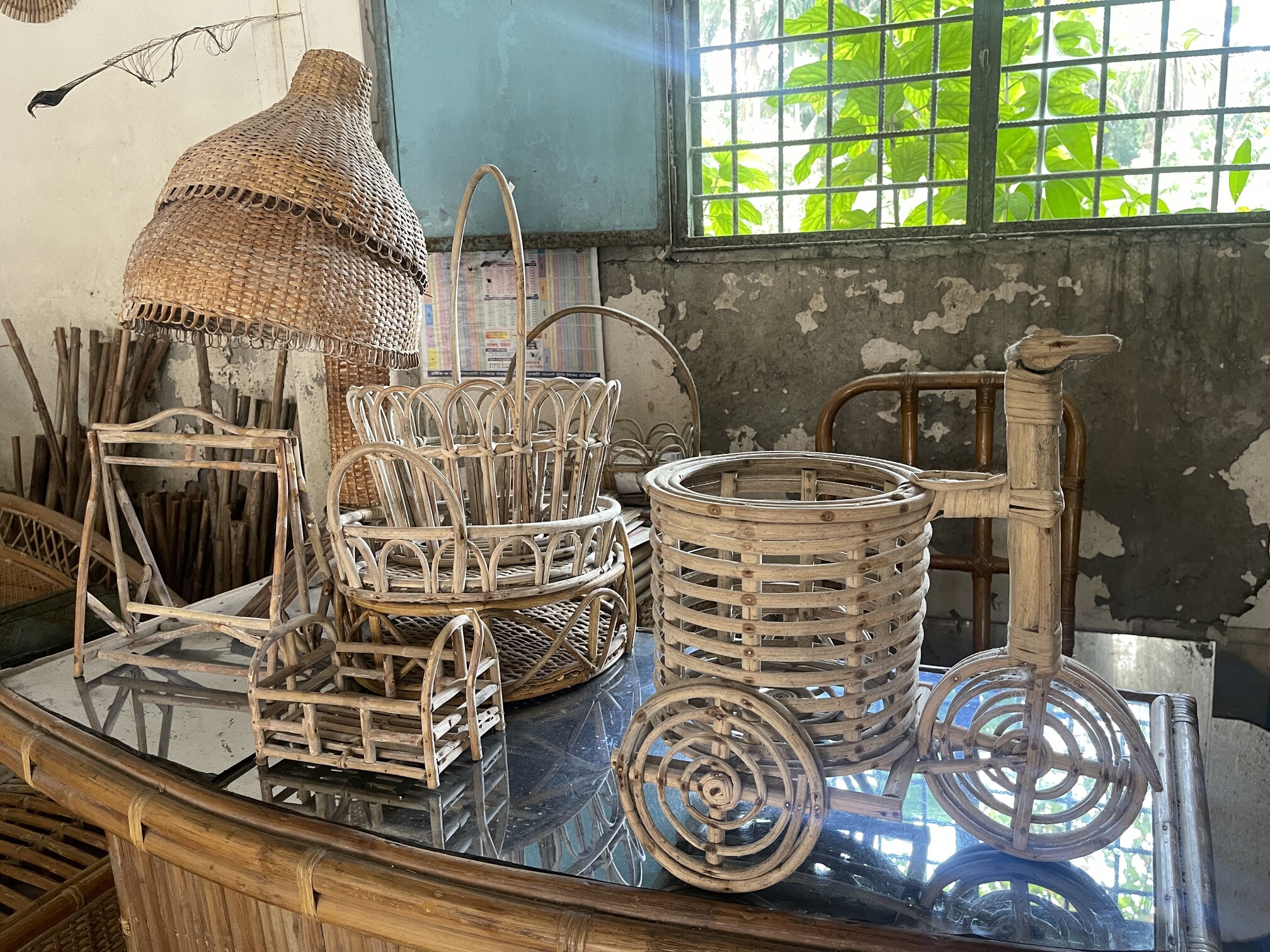
For decades, the artisans of Madaripur made a living out of what the land and rivers gave them. They would gather cane from nearby forests and wetlands, then spend long hours shaping it into furniture that was both durable and graceful. It was honest work. It was local, sustainable and even profitable. But as the natural sources of cane dwindled and mass-produced alternatives flooded the market, their art began to wither.
“Once, we could find cane just by walking through the village,” recalled Porimol Chandro, a veteran craftsman from Khoajpur Union. “Now, it’s hard to find any nearby. We have to buy it from other districts at high prices. The cost has gone up, but demand has fallen.”

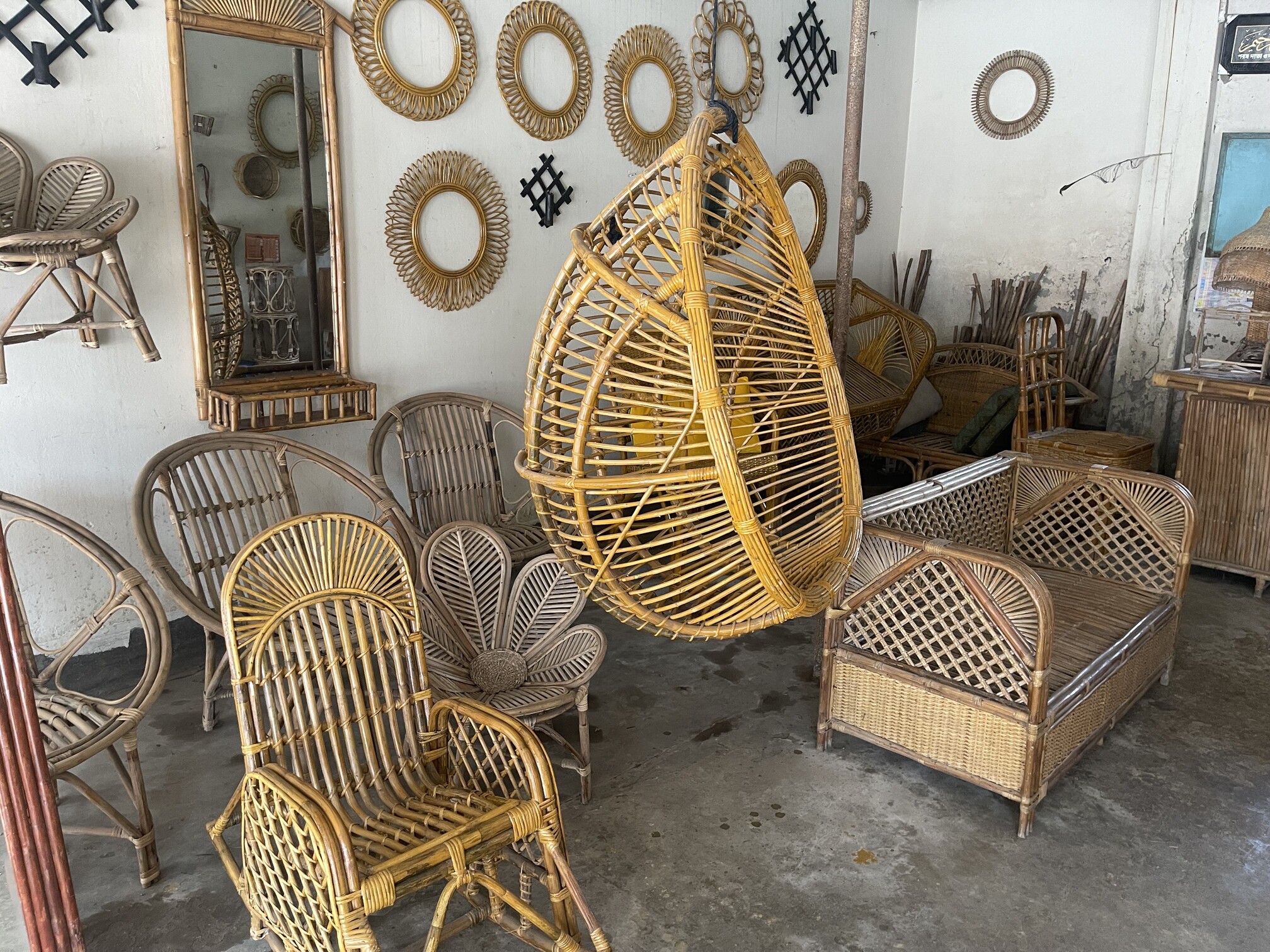
It’s a story echoed by Mobarak, a bamboo and cane craftsman from Jhaudi Union. His frustration is palpable. “Plastic is killing the cane industry. People can buy plastic furniture cheaply. Cane products can’t compete anymore. Feeding my family and educating my children through this craft has become nearly impossible. That’s why many have already left the trade,” he said.
A local cane shop owner, Billal Bepari, has been crafting cane furniture for over four decades. His store still displays beautifully woven magazine racks, sofas, baby cots, trolleys and many more. Each piece bears the delicate charm of handmade artistry, which is now nearly forgotten.




“Earlier, customers came not just from Madaripur but from nearby districts,” Billal said. “Now, sales have dropped by half. I buy cane from Rangamati, Bandarban, and Khagrachhari at a high cost, but the return isn’t enough. Without government support, this profession won’t survive.”
In Madaripur’s Old Market, handicraft trader Tamim shares a similar lament. “There was a time when demand was huge,” he said. “Now, with the flood of plastic furniture, it’s nearly impossible to keep the business alive.”
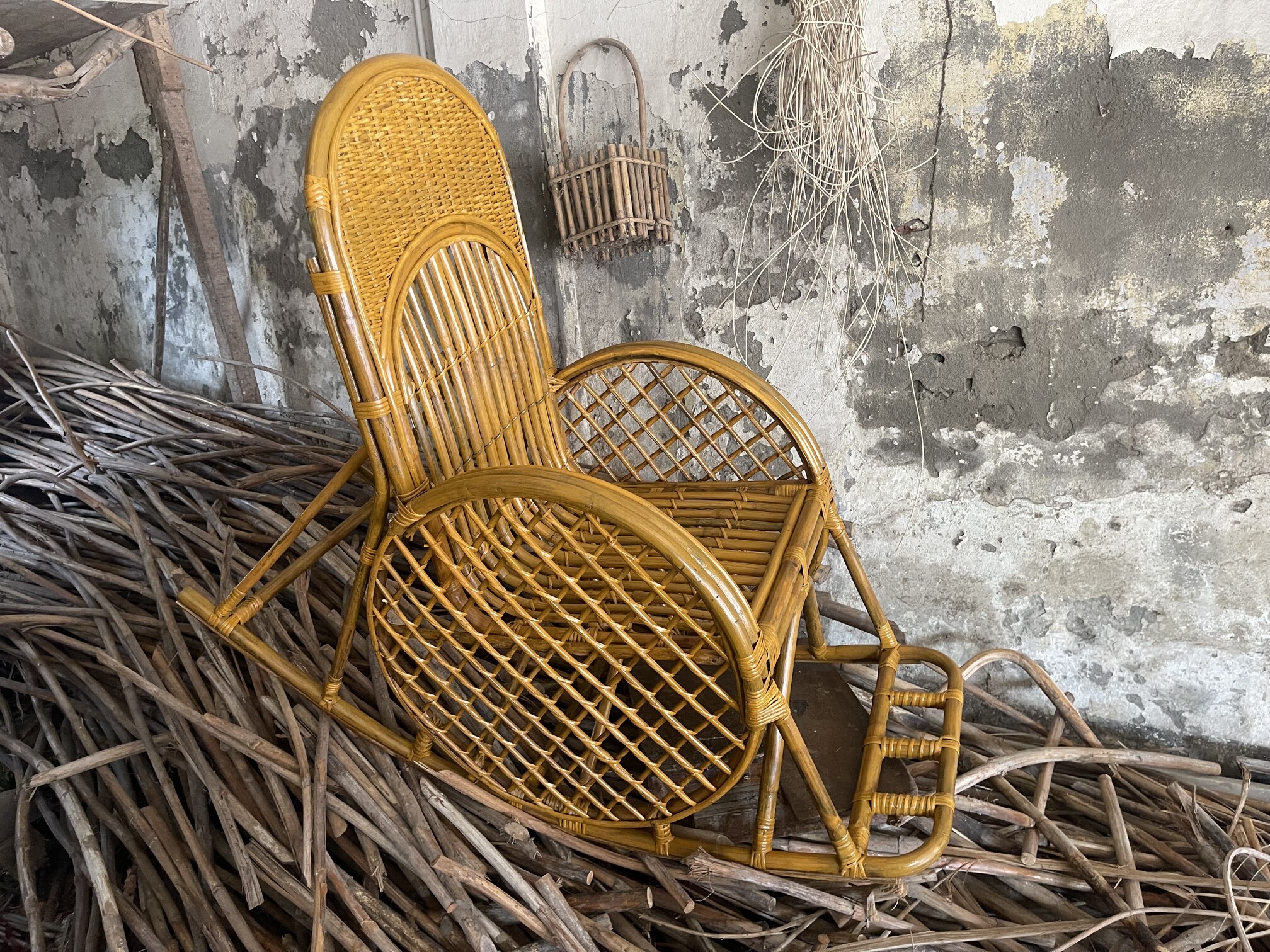
The younger generation is turning away. With rising production costs and declining profit margins, few see a future in this ancestral craft. What was once a symbol of local heritage and pride is now struggling to breathe.
An elderly craftsman, Jashodhar Mondol, remembers the glory days. “The chairs we made by hand used to be given as wedding gifts. Now people give plastic chairs. Times have changed,” he said wistfully.
Experts believe all is not lost. With the right training, easier access to loans, technical assistance, and better marketing, this traditional craft could still find its way back to life.
Wadia Shabab, UNO of Madaripur, remains hopeful. “We’re taking steps to preserve this heritage,” she said. “Through training and skill development, artisans will be able to expand their craft not only with cane but also by exploring alternative materials.”
For now, the rhythmic sound of weaving grows fainter each day. What remains is the fading scent of cane and the quiet pride of artisans who refuse to give up. Yet, there is still hope to preserve the old tradition in a world that has almost forgotten its value.