






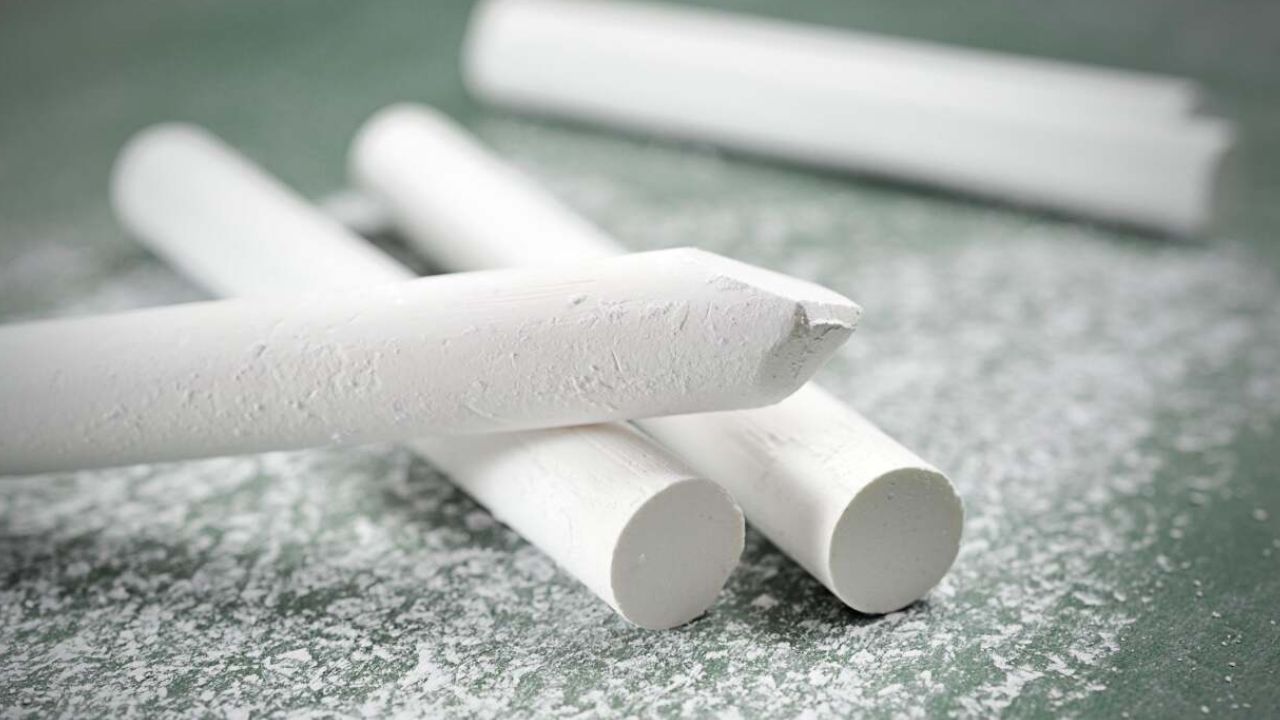
As record-breaking heatwaves sweep across France, a simple and inexpensive product is disappearing from shop shelves: crushed chalk. Known as Blanc de Meudon, or Meudon whiting, the material is being used by ingenious residents to paint their windows in a bid to keep homes and schools cool as temperatures exceed 40°C (104°F).
Traditionally used for cleaning or whitening shop windows during renovations, the chalky material is now being repurposed as a home remedy against punishing temperatures. When mixed with water and applied to glass, it creates a milky coating that allows some light to pass through while reflecting significant amounts of heat, reports BBC.
The science of cooling
The effectiveness of this DIY hack is supported by a growing body of research into radiative cooling. White surfaces reflect sunlight and heat, whereas dark surfaces absorb them. The main component of chalk, calcium carbonate, is not only highly reflective but also resistant to solar radiation.
Jiashuo Wang, a researcher at the University of New South Wales in Sydney, Australia, noted that calcium carbonate nanoparticles are already used in advanced “super cool” paints.
While standard white paint can reduce temperatures by at least 1.7°C (3°F) compared to the ambient temperature at noon, specially developed ultra-white formulations can reflect up to 98.1% of sunlight. One study even showed that combining such paint with an underlying layer of ultra-black paint could lower daytime temperatures by as much as 7.6°C (14°F).
Shortages and sustainability
Following the circulation of the chalk-paint trick on social media, French media reports indicate widespread stock shortages. “We’d known about the idea for a while… but forgot to buy any,” one shopper, named Philippe, told the newspaper Ouest France. “Now it’s too late! It’s sold out everywhere!”.
This trend is seen as a sustainable alternative to air conditioning, which consumes high levels of energy and contributes to the “heat island” effect by releasing hot air outside. However, officials have cautioned that the paint is “not a miracle solution” and that proper roof insulation remains a priority. Additionally, experts have noted potential respiratory risks if chalk particles are inhaled indoors.
Broader trends and alternatives
The practice aligns with a broader movement in France known as “le cool roofing,” which draws on southern European traditions, such as those in Greece, of whitening buildings to ward off heat.
A study suggested that painting white roofs could have cooled London by an average of 0.8°C (1.4°F) during a heatwave, potentially preventing hundreds of heat-related deaths.
For those unable to source Blanc de Meudon, researchers in the United Kingdom have identified an unlikely alternative: yoghurt. An experiment found that a thin film of yoghurt painted onto windows could cool a room up to 3.5°C (6.3°F) during hot and sunny periods. While the dairy product produces a temporary odour, researchers noted the smell disappears once the “paint” dries.


