After more than a decade and a half in exile, Tarique Rahman has returned to Bangladesh and is now deeply engaged in election campaigning, once again placing himself at the centre of the country’s political landscape.
Amid the intensifying pace of electoral mobilisation, the BNP Chairman has also drawn international attention. On January 28, Time magazine published a special feature on Tarique, describing him as “Bangladesh’s Prodigal Son” in a portrait that blends political analysis with personal insight.
During the interview, Tarique Rahman revealed that his all-time favourite film is the Hollywood political action thriller Air Force One, starring Harrison Ford as a US president confronting a mid-air hijacking crisis. “I’ve probably watched it eight times,”Tarique Rahman told Time, a remark that stood out given the film’s central themes of leadership under pressure, moral clarity and decisive action.

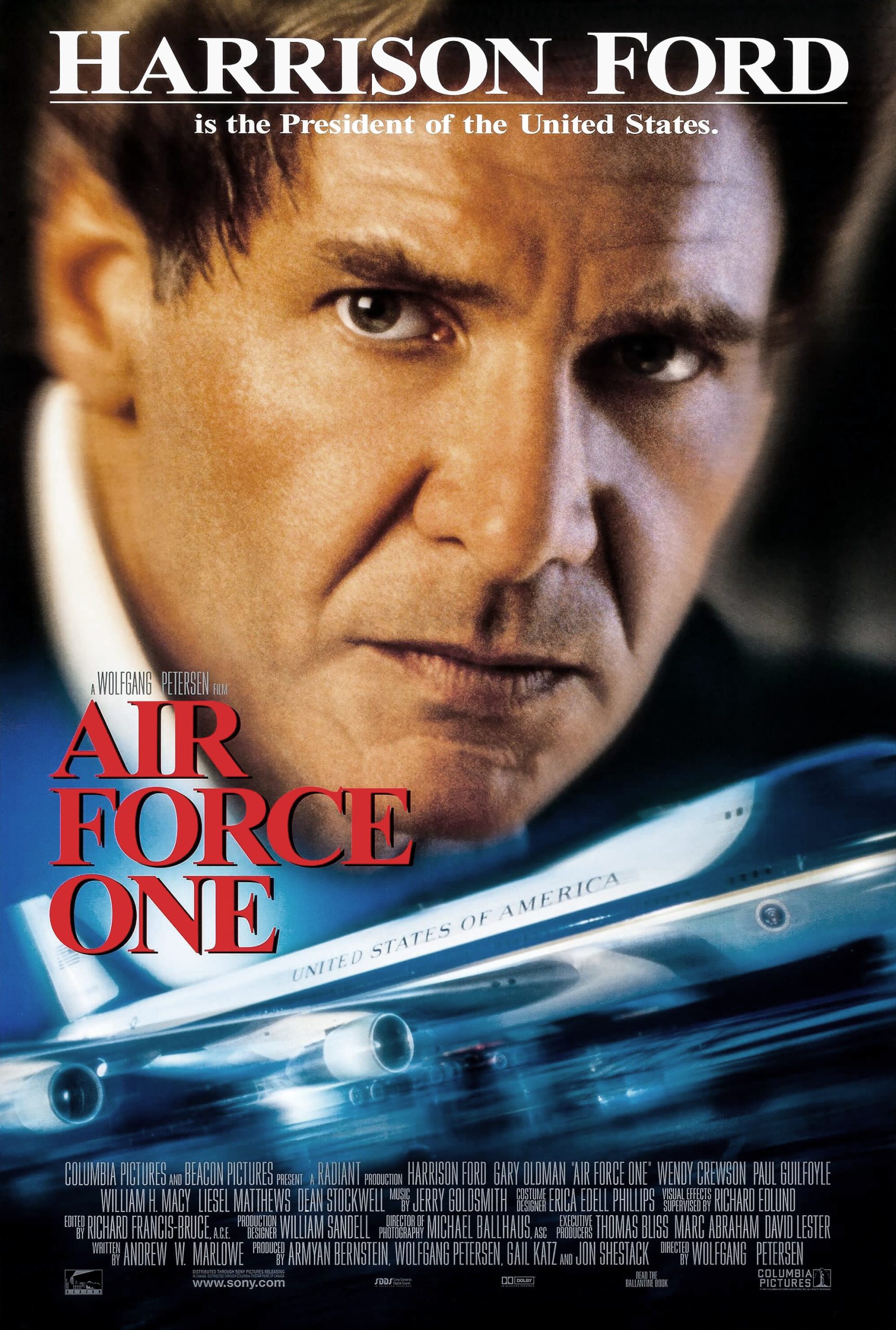



The feature offers a rare glimpse into Tarique Rahman’s personal temperament and cultural tastes. At one point, he uses cinematic references to explain his worldview, suggesting that films sometimes serve as a framework through which he reflects on leadership, responsibility and resolve.
According to Time, Tarique Rahman comes across as soft-spoken and introspective, preferring listening over confrontation. During his years in London, his leisure activities were notably subdued, marked by long walks through Richmond Park, quiet moments of reflection and reading books on history. These understated habits contrast sharply with his current role as a central political figure navigating an intense and polarised environment.
Beyond personal preferences, the report portrays Rahman as a data-driven policymaker. It notes his ambition to excavate 12,000 miles of canals to replenish groundwater, plant 50 million trees annually to curb land degradation, and establish 50 new green spaces to help ease Dhaka’s chronic air pollution.
His proposals also include waste-to-energy power generation, rebuilding technical colleges to enhance migrant workers’ skills, and partnerships with private hospitals to ease pressure on the public healthcare system.
In another key passage, Time emphasises that Rahman does not frame his return in terms of grievance. Instead, it presents his comeback as a deliberate, purpose-driven decision aimed at improving people’s lives. To illustrate this, Rahman cites a line not from Air Force One, but from Spider-Man: “With great power comes great responsibility. I believe in that very strongly,” he says.