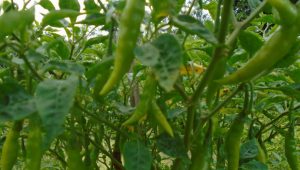
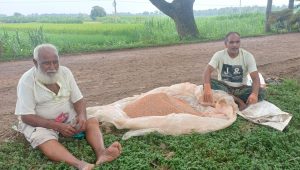
For decades, the pineapple fields of Madhupur in Tangail yielded more than Bangladesh’s sweetest fruit.
Every harvest season, they also produced towering heaps of thorny leaves that farmers viewed as little more than a costly nuisance. Today, that waste is fuelling an unlikely agricultural transformation.
At the centre of the change is local entrepreneur Asaduzzaman Asad, who has found a way to turn discarded pineapple leaves into nutrient-rich silage, a fermented livestock feed that is helping marginal farmers cut feed expenses by as much as 40 per cent.
What was once left to rot in the fields is now becoming a valuable resource, offering a sustainable solution to agricultural waste while boosting livestock production and rural incomes.
In the pineapple capital of Bangladesh, a quiet green revolution is taking root, proving that one farmer’s waste can become another farmer’s lifeline.
The magic machine

Stepping into Chunia Faitamari village in Madhupur’s Beribaid Union, one will see the transformation in action. Collected pineapple leaves feed into a specialised mixer machine, combining with liquid protein and granular feed before being packed tightly into airtight plastic bags.
It is a process deeply backed by science. Dr Md Helal Uddin, District Livestock Officer, explains that during processing, the natural sugars in the leaves ferment into lactic acid.
“It’s highly nutritious,” Dr Helal notes. “The cellulose content aids digestion in cattle and sheep, while the rich protein content supports overall growth and reproductive efficiency.”

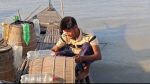
For dairy farmers, the results are immediate and tangible: the natural fibres and sugars can boost a dairy cow’s daily yield by around two to three litters, while promoting faster, healthier weight gain in beef cattle.
Silencing the sceptics
Success, however, did not come without a fight. “When I first started producing silage from discarded pineapple leaves, many people criticised and mocked me,” Asad recalls. They saw garbage; he saw gold.
He stayed focused. In 2024, backed by specialised training and a financial grant of Tk 9 lakh from the Palli Karma Sahayak Foundation (PKSF) in collaboration with the private development organisation SSS, Asad purchased his silage-making machinery.
Today, his operation is a roaring success. He churns out six tonnes of silage daily, which can be safely stored in plastic bags for up to six months.
The project currently employs eight local workers, providing them with a steady daily wage of Tk 600. After covering all operational expenses, Asad clears a handsome personal profit of approximately Tk 1.5 lakh per month.
A win-win for farmers and the economy
The real winners of this innovation are the marginal farmers. While standard corn silage commands a market price of Tk 15-17 per kilogram, Asad sells his pineapple leaf silage to small-scale farmers for just Tk 5-6 per kilogram.
“I regularly feed my cows this affordable, quality silage. It has significantly reduced my feed costs,” says Shihab Uddin, a cattle farmer from Bhuapur who travels regularly to purchase the feed. He notes that wider adoption of this silage could drastically lower nationwide livestock expenses and potentially stabilise meat prices.
Demand for the product is rising rapidly. Asad now ships tonnes of silage every week to major livestock farming hubs across the country. Among his regular buyers are Shihab Uddin of Bhuapur, who receives 10 tonnes, Rezaul Karim of Madhupur, who takes 6 tonnes, and Nazmul Sadat Noman, who purchases 12 tonnes. Bulk consignments are also supplied to commercial dairy farms in Savar on the outskirts of Dhaka, as well as in Rangpur, Sirajganj and Dinajpur, reflecting the growing popularity of the low-cost feed among farmers seeking to reduce production expenses.
A blueprint for rural wealth
According to Santosh Chandra Pal, acting Executive Director of SSS, thousands of tonnes of pineapple leaves go to waste every single year. By supporting smart-agriculture expansion projects like Asad’s, the organisation aims to turn that waste into self-employment opportunities for up to 1,800 of its members.
Inspired by Asad’s triumphs, neighbouring locals like Humayun Kabir and Abdul Alim have already stepped up to start their own silage initiatives, breaking the cycle of poverty and becoming entirely self-reliant.
With the initiative addressing the year-round demand for straw and grass, government officials have taken notice. The District Livestock Office has officially instructed field officers to aggressively distribute and promote this pineapple leaf silage across all upazilas in the district, signalling that this local trash-to-treasure story is about to go nationwide.