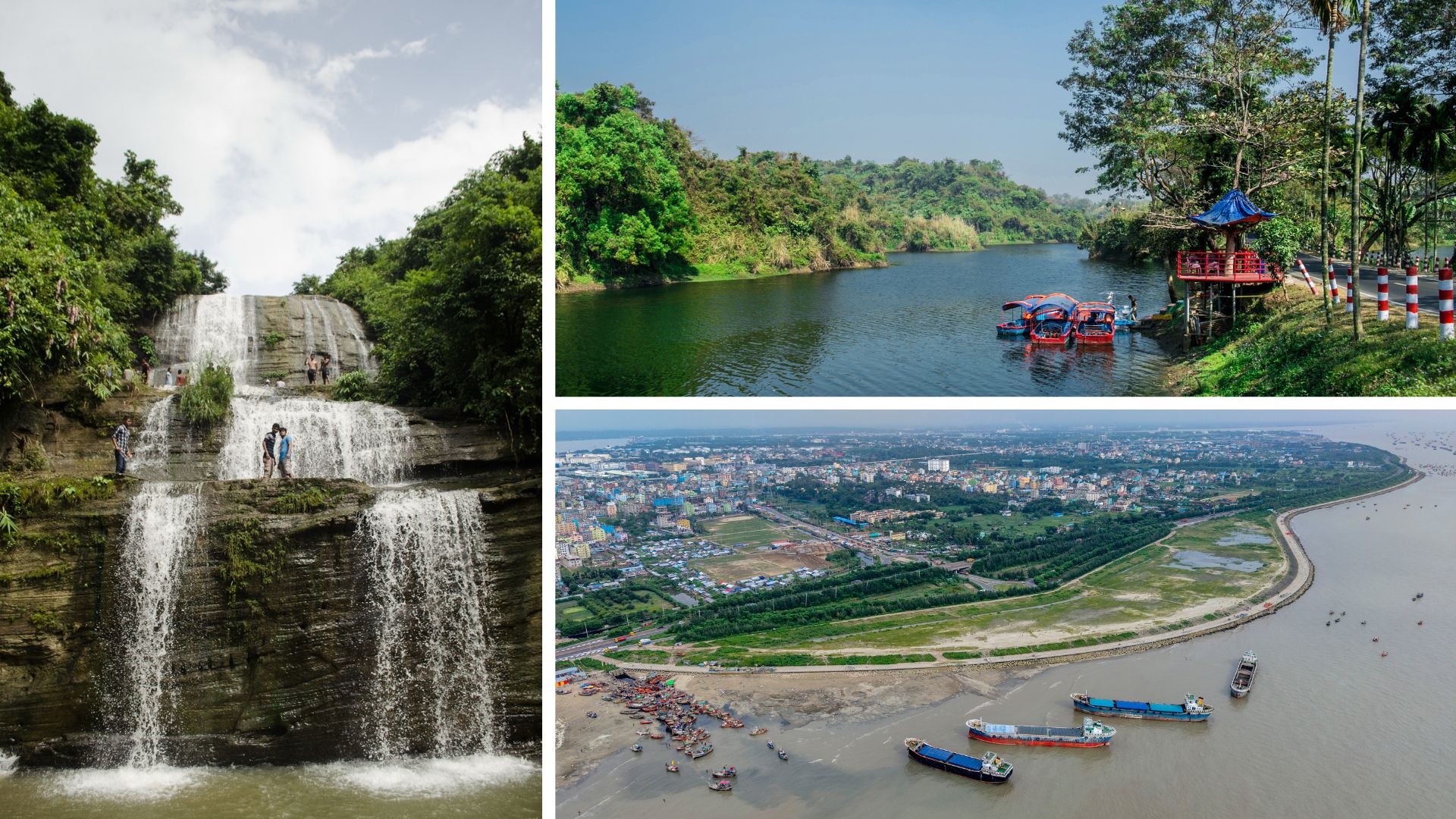

In an ordinary monsoon, this would be the season Bangladeshi travel pages exist for – mist over the hills of Sajek, waterfalls swelling to full force in Khagrachhari, paddy fields turning the kind of green photographs can’t quite capture. This is not an ordinary monsoon.
At least 30 people have died in landslides and rain-related incidents across Chattogram, Cox’s Bazar, Bandarban and Rangamati this week, the deadliest a hillside collapse onto a madrasa in a Cox’s Bazar refugee camp that killed eight children and a teacher.
Roads into Bandarban and Rangamati have been cut by landslides at more than a dozen points, hundreds of tourists were stranded in Sajek Valley before being evacuated, and Bandarban’s district authorities have suspended access to its tourist sites entirely. Any monsoon travel guide written honestly this year has to start there, not with the scenery.
To enjoy the season safely, travellers need to move away from unplanned adventures and toward disciplined preparation. The single most important habit is also the simplest: Check current advisories before finalising any trip, not after.
The Bangladesh Meteorological Department has been issuing rolling forecasts of heavy to very heavy rainfall across Chattogram and Sylhet divisions, and district administrations in Bandarban, Rangamati and Khagrachhari have been closing tourist sites and roads with little notice as conditions shift.
A destination open on Monday may be under an evacuation order by Wednesday, so treat any hill-district itinerary as provisional until confirmed within 24 to 48 hours of departure.

The Meteorological Department’s colour-coded warning system exists precisely for moments like this. Green signals safe conditions. Yellow calls for caution and a closer eye on changing forecasts. Orange is the point at which outdoor plans should shift indoors.
Red means travel should be postponed or rerouted immediately, full stop. Checking which colour applies before departure – and again before setting out each day of a multi-day trip – takes minutes and can be the difference between a delayed itinerary and a genuine emergency.
Where not to go
Bandarban’s tourist sites remain closed under district order as of this week. Sajek Valley in Rangamati was reachable only by military-assisted evacuation after floodwaters submerged the access road, and the local administration had imposed a travel ban on the route.




Rail service between Chattogram and Cox’s Bazar remains suspended after tracks went underwater, and several highway sections in the region have been buried by landslides. Do not visit on the assumption things will have cleared by the time you arrive; confirm directly with district authorities or a tour operator immediately before travel, and be prepared to cancel.
A few ground rules
For travel to areas not currently under advisory, a few precautions matter more than usual this year. Avoid hill climbing or trekking in landslide-prone areas during heavy rain altogether – this is the terrain type responsible for nearly all of this season’s fatalities.
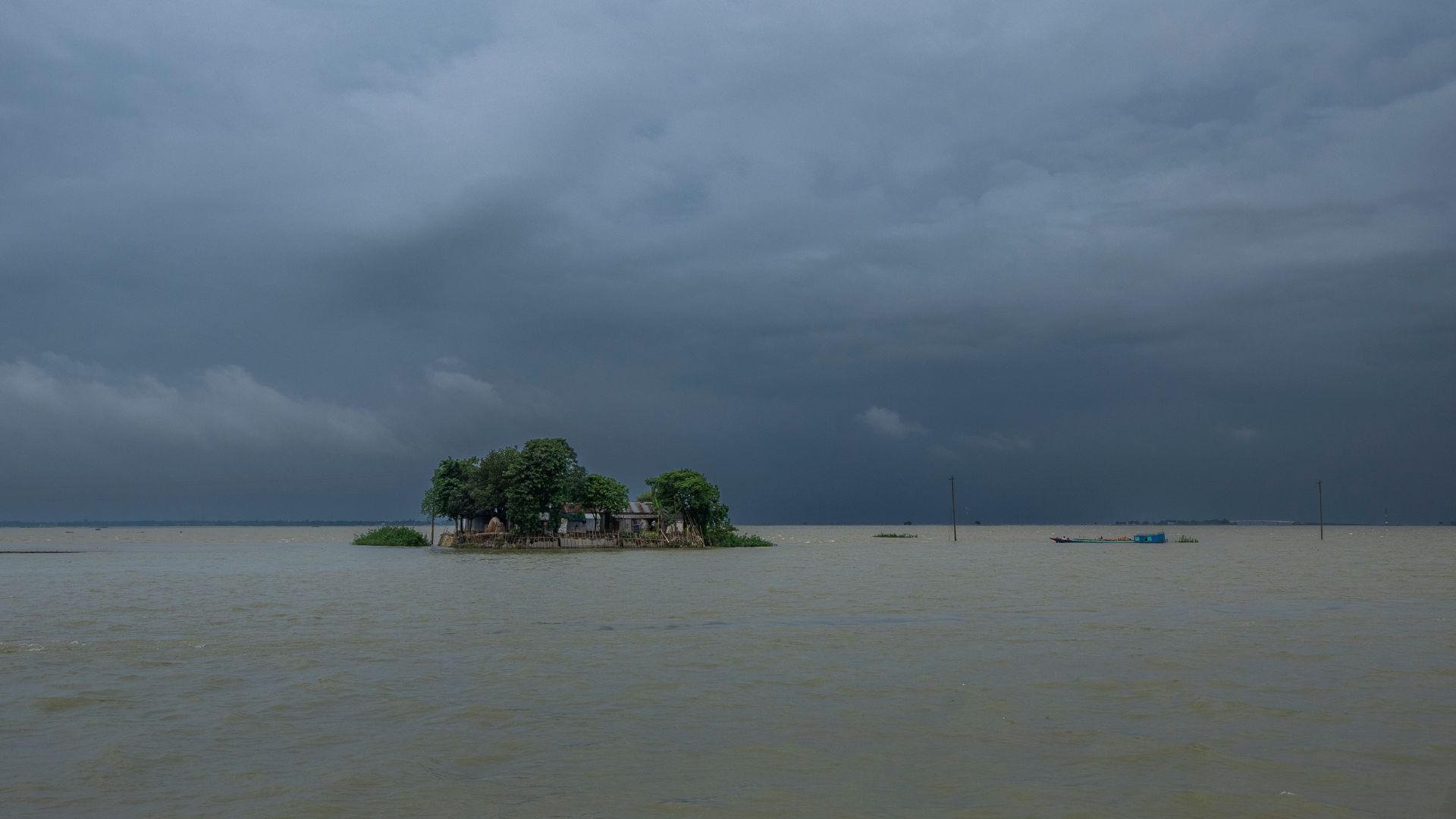
If a flood situation is classified as extreme, the only sound decision is to delay plans until it stabilises, not press ahead and hope for the best. Keep your eyes (and ears) open for loudspeaker announcements from local administrations when travelling.
Travel should be restricted to daylight hours, since visibility drops sharply during torrential downpours and night travel on highways or hillside roads is markedly more hazardous in the monsoon than at any other time of year.
Health risks rise with the water, too. Humidity and stagnant floodwater increase the risk of waterborne illness, dengue and malaria, so no monsoon packing list is complete without a strong insect repellent, a well-stocked first-aid kit, and an adequate supply of personal medication. Local pharmacies (especially in flood-affected districts) are not a reliable backup this season.
Fee fie fo flood
Standard vacation gear does not hold up well against a Bangladeshi monsoon. Trekking sandals beat leather shoes, which struggle against sticky, waterlogged roads and slick wooden decks common to hill and riverside destinations. A high-quality raincoat and umbrella are non-negotiable, and plastic zip-lock bags to waterproof NIDs, cash, and electronics are worth packing in bulk.
Power outages are common outside major cities during storms, making a waterproof power bank essential rather than optional. Clothing should favour breathable, quick-dry fabrics over cotton or denim, which stay wet for hours and leave travellers stuck in the itchy, uncomfortable feeling of soggy clothes for the rest of a trip.
Not all doom and gloom
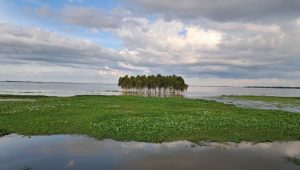
None of this means Bangladesh’s monsoon has nothing to offer a careful traveller. The Sundarbans’ waterways, the haor wetlands of Sunamganj and Netrokona, and low-lying agricultural regions away from unstable slopes remain some of the most striking landscapes in the country during the rains, without the landslide risk concentrated in the Chittagong Hill Tracts and Cox’s Bazar hills.
Even within Chattogram division, travel that avoids high-risk hill zones and sticks to well-maintained routes can be undertaken with appropriate caution once current advisories lift, but do so keeping all of the aforementioned in mind.
The romance of the season (O, its abundant rains! The lush green landscapes!) truly complements Bangladesh’s natural ethos so perfectly, and that too at a bargain, that one would find it difficult to find a more authentic experience.
The hills, the waterfalls, and the greenery will still be there once the rain eases. Few can resist the urge to dance with the rain, with Bangladesh’s rivers setting the stage, but this year, more than most, be wary of the ground beneath your waltzing feet.