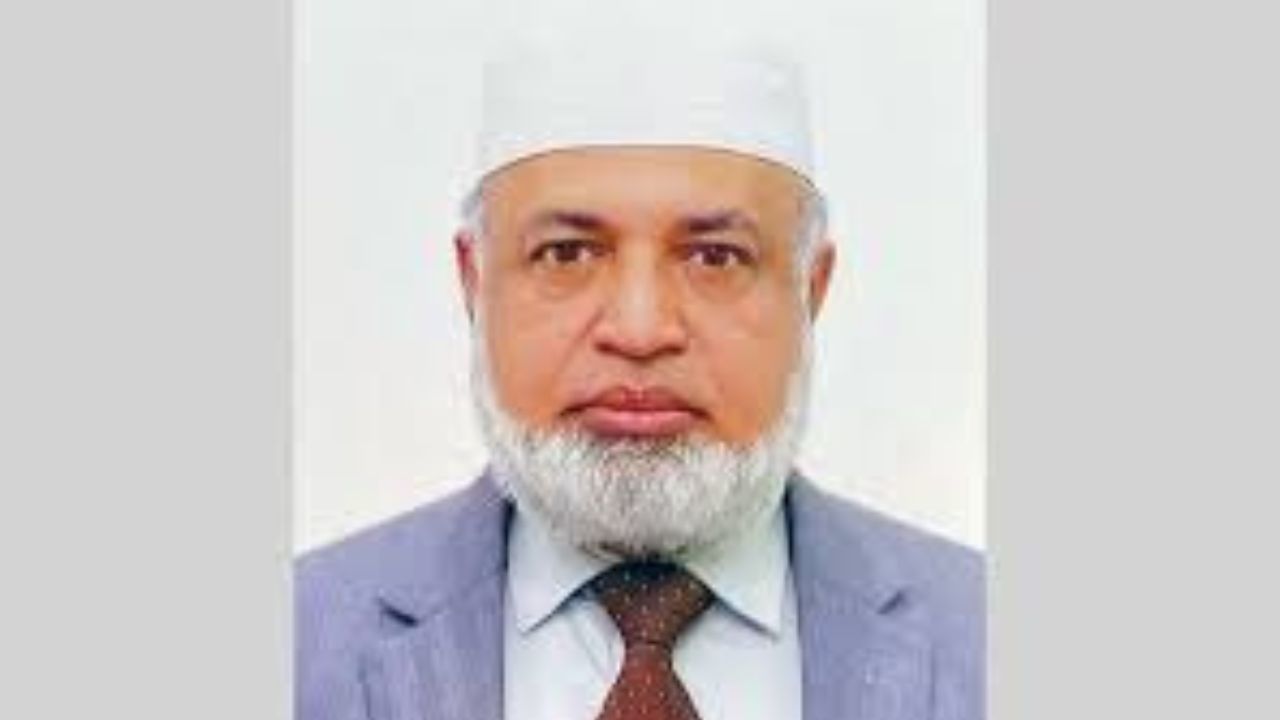

Despite facing multiple allegations of banking irregularities, corruption and embezzlement, being charge-sheeted by the Anti-Corruption Commission (ACC), and being flagged in Bangladesh Bank inspection reports, Standard Bank’s Managing Director Md Habibur Rahman remains in office.
The High Court has also intervened in the matter.
What began as the story of a controversial banker has now become a broader question of regulatory silence, inconsistency and institutional failure, raising serious concerns about governance in Bangladesh’s banking sector.
On 29 December 2025, Bangladesh Bank’s Banking Regulation and Policy Department (BRPD) issued a letter asking Rahman to explain himself within seven working days. The letter cited central bank inspections which found evidence of his involvement in serious irregularities and corruption during his tenures at Jamuna Bank, Mercantile Bank and Union Bank.
Much of the scrutiny centres on his time at Union Bank. A Bangladesh Bank inspection report prepared as of 31 December 2023, along with findings of the bank’s board audit committee, linked Rahman to irregularities in investment disbursement.
According to the inspection, investments worth Tk2,641 crore across 30 entities were classified as loss assets. Many of these entities were identified as non-existent firms linked to the S Alam Group.

The report said that while heading the Investment Risk Management Committee, Rahman recommended loan approvals in violation of sanction terms and without registered collateral. Several loans were approved without mandatory land inspection reports, registered mortgage deeds, irrevocable powers of attorney, Mudaraba Term Deposit Receipts (MTDR) or required khatians.
Bangladesh Bank concluded that these actions violated clause 2.3 of the CRM Guidelines 2016, which requires independent and prudent credit risk assessment and bars approval or recommendation of loans without proper appraisal, verified documentation and legally enforceable collateral.
These findings were later followed by legal action. Based on a decision taken at Union Bank’s 140th board meeting, complaints were filed with ACC against Rahman. The bank’s panel lawyer Mohammad Mominul Islam submitted the complaints on 3 June and 15 October 2025.
His past record at other banks also resurfaced. During his tenure at Jamuna Bank, disciplinary action was taken against him over the irregular approval of an foreign documentary bill purchase (FDBP) facility for Composite Towel Limited, a concern of the Bismillah Group. As punishment, one year’s increment was withheld and his promotion was suspended for a year.




At Mercantile Bank, the matter escalated further. Following an ACC investigation, Rahman was charge-sheeted. The case remains pending and he is currently out on bail.
Despite this history Bangladesh Bank has taken no visible punitive action against him in his current role. Instead, the regulator has drawn criticism for what many see as contradictory positions.
On 30 October 2025, a Standard Bank board meeting attended by 11 directors decided by majority vote to place Rahman on compulsory leave for 90 days. Minutes of the meeting, signed by six directors, were submitted to Bangladesh Bank’s BRPD and the governor was informed.
Yet on 6 November 2025, BRPD issued a letter advising that Rahman should continue running the bank’s day-to-day operations until further instructions. The decision triggered fresh questions about transparency and regulatory intent.
As his three-year contract neared expiry, moves began to reappoint him, prompting legal intervention. On 7 January 2026, the High Court directed Standard Bank’s board not to take any decision on the managing director’s reappointment.
Justice Debasish Roy Chowdhury issued a show-cause notice asking why the proposal should not be declared unlawful for having been initiated without legal authority.
Court proceedings also exposed sharp divisions within the bank’s board. One faction is led by chairman Mohammed Abdul Aziz, while the other is led by his son and vice-chairman AKM Abdul Alim.
The Alim-led group alleged that after a 7 January board meeting ended and they had left the premises, a chairman-aligned faction re-entered the boardroom, inserted the proposal for Rahman’s renewal into the meeting minutes and forwarded it to Bangladesh Bank.
Against this backdrop, Bangladesh Bank wrote to Standard Bank’s chairman on 15 January 2026, stating that reappointment of a managing director would not be acceptable without either consensus or a super-majority of the board.
Around the same time, Governor Ahsan H Mansur told journalists that such a reappointment would not be considered unless at least nine out of ten directors supported it.
Yet despite these statements, letters, and the post-inspection reports remain pending at BRPD, with no visible decision taken.
This has fuelled criticism within the banking sector over how a charge-sheeted banker facing multiple allegations continues to hold office – and over the regulator’s role in the process.
Standard Bank Managing Director Habibur Rahman said all the allegations against him are false and fabricated and were made to damage his reputation and goodwill.
Several officials involved in the investigations told TIMES of Bangladesh, speaking on condition of anonymity, that despite the weight of allegations, Rahman has remained in office due to the backing of some senior officials of the central bank.
Bangladesh Bank spokesperson Arief Hussain Khan said the allegations against Rahman are under investigation. He added that the central bank has sought explanations from the Standard Bank managing director regarding the issues identified in its inquiries and that Rahman has submitted his response, which is now under review before further action is decided.