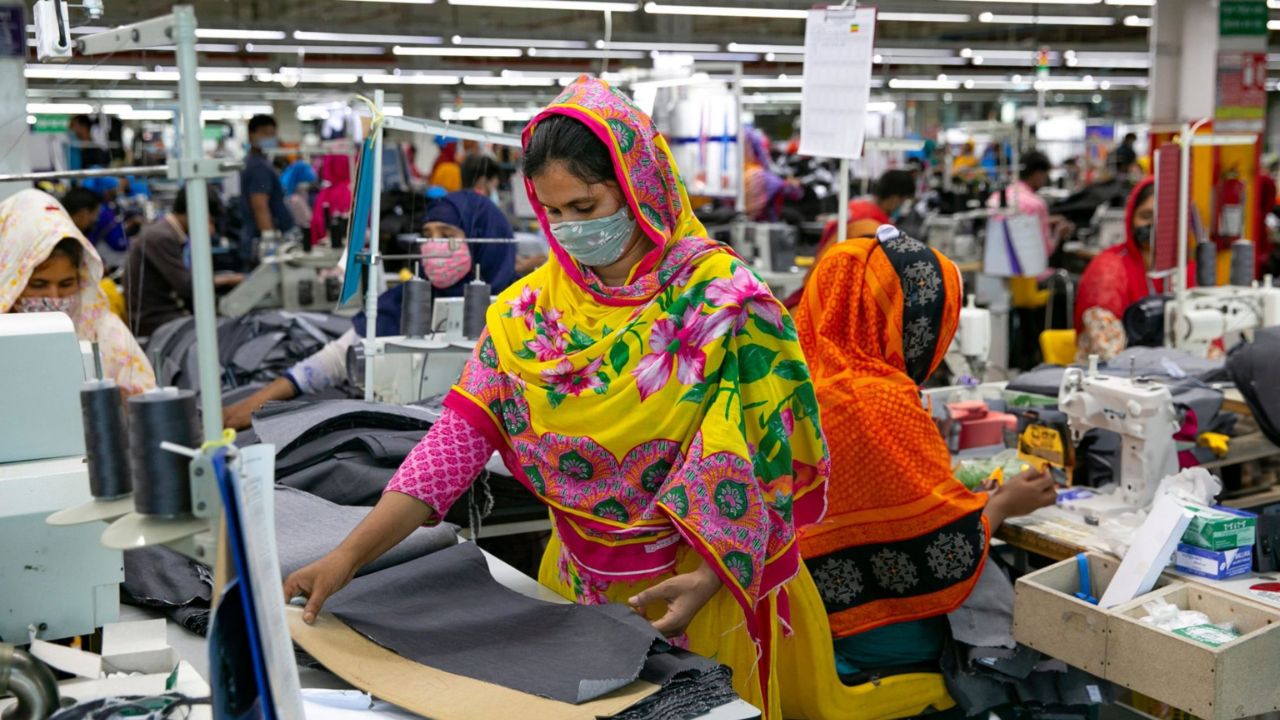
Thousands of people gathered across South Africa on Tuesday to protest against illegal migration, amid rising tensions that have already triggered attacks on foreign nationals and prompted many immigrants to leave the country, according to AP.
The demonstrations, held in several parts of Africa’s most industrialised economy, come as groups campaigning against illegal migration set a so-called “deadline” for undocumented migrants to leave, threatening a “national shutdown” if authorities fail to act.
The protests have been led by anti-immigration groups who say illegal migration is contributing to unemployment, crime and public service pressures, although authorities say there is no evidence supporting these claims.
South African President Cyril Ramaphosa met organisers of the planned rallies on Monday night, affirming the right to protest but urging peaceful conduct. He also accused some groups of exploiting the issue for political purposes, while acknowledging shortcomings in border control.

Immigration remains a deeply sensitive issue in South Africa, which, as Africa’s largest economy, has long attracted migrants from countries including Zimbabwe, Malawi, Mozambique and others seeking better opportunities.
According to 2022 census data, there were about 2.4 million foreign nationals in the country, representing less than 4% of the population, though critics argue undocumented migrants are not fully counted.


Authorities have in recent years intensified enforcement, deporting more than 100,000 people over the past two years for being in the country illegally, while stopping around 500,000 others at borders attempting to enter without documentation.
The current wave of tensions has led to warnings from the United Nations, with a spokesperson for UN Secretary-General António Guterres expressing concern over reports of xenophobic attacks, harassment and intimidation against migrants.
South Africa has previously experienced outbreaks of anti-immigrant violence, most notably in 2008 when more than 60 people were killed in nationwide unrest that spread from Johannesburg. Smaller incidents have continued intermittently in the years since.
The latest unrest has drawn criticism from several African governments, including Nigeria, Ghana and Mozambique, which say their citizens have been targeted.
As tensions rise ahead of the protest groups’ deadline, thousands of migrants have begun leaving South Africa, with many travelling through the Beitbridge border post into Zimbabwe, where traffic has surged.
Nigeria and Ghana have repatriated nearly 2,000 citizens on government-organised flights, with further evacuations expected. Zimbabwe and Mozambique have also carried out smaller-scale returns.
More than 8,000 Malawian nationals have departed South Africa using buses provided by the Malawian government or private sponsors, while others have gathered in Durban in preparation to leave.
South African authorities say they have assisted in facilitating the return of Malawian citizens, while also confirming that many were formally deported for lacking legal documentation.