


For Bangladeshi migrant workers in Malaysia, Eid-ul-Fitr represents a complex blend of joy, deep emotion, and harsh reality.
Despite being thousands of miles from home, these workers strive to maintain the essence of the festival while ensuring their families back in Bangladesh can celebrate.
Currently, there are approximately 1.2 million Bangladeshi labourers working in Malaysia, making them the largest community of foreign workers in the country. As Malaysia is a Muslim-majority nation, foreign Muslim citizens generally do not face significant hurdles in observing their religious festivals.
Surrogate families in industrial hubs
During the Eid season, various industrial zones – including Kuala Lumpur, Selangor, Johor, Penang, Melaka, and Kuantan – become vibrant hubs for the community.
Workers’ dormitories, palm plantation hostels, and construction site accommodations, along with rented buses, transform into small gathering points for Bangladeshis.

Most workers attempt to join Eid prayers at local mosques or in open fields, though in remote areas, migrant workers often organise their own congregations.
Following the prayers, the celebrations continue with the exchange of “Eid Mubarak” greetings, embracing, and socialising, which helps create a “surrogate family” among colleagues and those from the same regions.
Celebrations amidst constraint
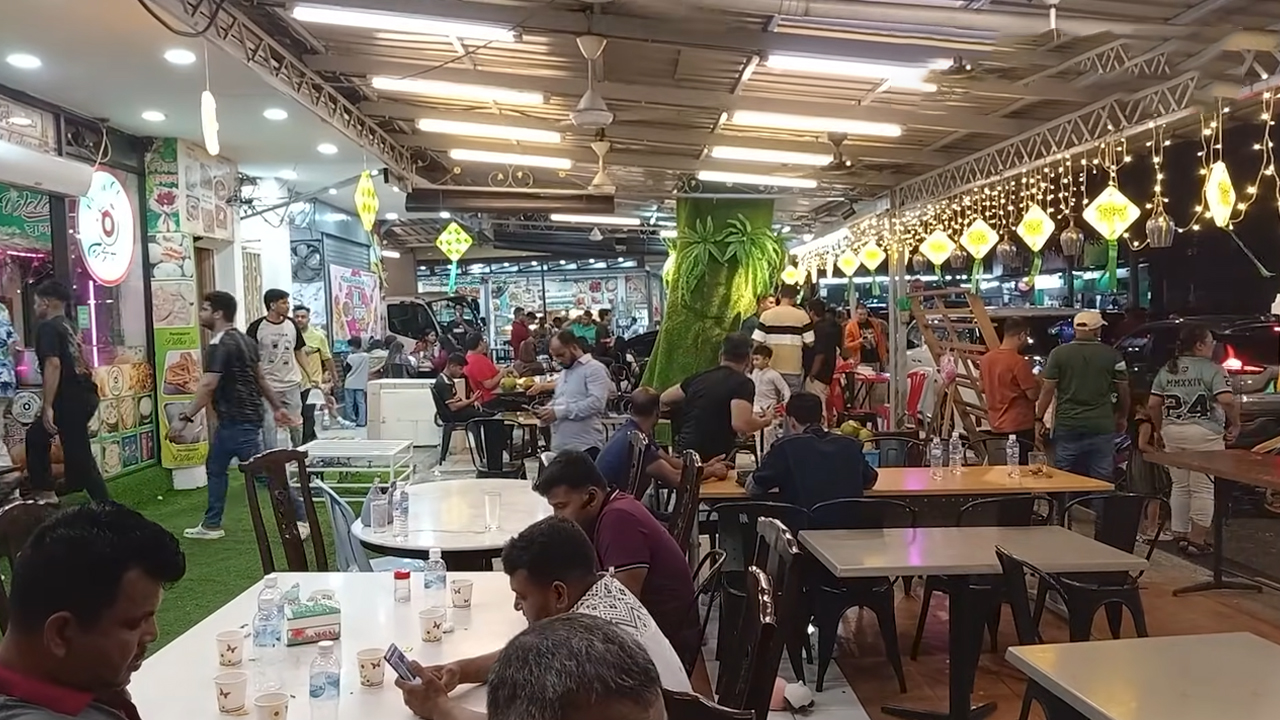
Despite limited means, many workers contribute funds to cook traditional dishes such as semai, polao, meat, or khichuri.


While some handle the shopping, others manage cooking and serving to ensure everyone enjoys at least one quality meal. Some also visit nearby tourist attractions in small groups.
For most, however, the true spirit of Eid is found not in new clothes, but in the relief of sending money home and the shared meals with colleagues. The primary source of happiness is the knowledge that their families in Bangladesh are smiling.
A sharp contrast of emotions
The most poignant aspect of the day remains the connection with home through mobile and video calls. While these calls bring joy, they also highlight the painful void of being away from parents, spouses, and children.
Consequently, the experience is a mixture of feelings: the warmth of shared food and prayers contrasted against the pressures of debt, wage deprivation, loneliness, and uncertainty.
While some workers have managed to return home this year, those remaining in Malaysia feel an intensified sense of isolation. Nevertheless, they persist in creating a temporary space for happiness alongside their coworkers, reflecting a sense of humanity maintained through struggle.
The shadow of law enforcement
For many, Eid-ul-Fitr 2026 is marked by significant anxiety.
For the past two years, Malaysian authorities have been conducting a continuous crackdown on undocumented migrants, with thousands of irregular Bangladeshi workers already arrested and actions taken against employers.
Those without valid documents find their celebrations muted; many fear leaving their accommodations or even attending mosque for Eid prayers due to the risk of police or immigration checks.
This has led to a reduction in large-scale public gatherings or open-field prayers, with many opting for smaller, indoor arrangements. Even documented workers remain apprehensive, as area-based raids and sudden workplace checks can cause significant disruptions.
Ultimately, this Eid serves as a reminder that the true meaning of the festival lies in standing by one another and sustaining relationships from afar, making the story of Bangladeshi workers in Malaysia a unique narrative of human resilience.