Bangladesh Atomic Energy Regulatory Authority (BAERA) has given final regulatory approval for Unit 1 of the Rooppur Nuclear Power Plant to generate electricity, clearing a major hurdle before commissioning.
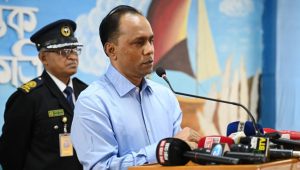
Mahmudul Hasan, chairman of BAERA, confirmed the approval to TIMES on Thursday.
“We have given them approval to generate electricity after the B-1 test was completed successfully,” Mahmudul Hasan said.
The approval does not mean commercial generation has already begun.
Five Russian nuclear experts are currently in Bangladesh and will remain until electricity is supplied to the transmission line, according to officials of the Ministry of Science and Technology.
Five more experts are due to arrive from Russia on 10 October, when further safety checks will be carried out in their presence.
Ministry officials expect initial generation of arouand 300 megawatts within the next one to one-and-a-half months, with the first supply to the national grid expected by December.

The earlier targets of generating 300 megawatts by July or August and reaching Unit 1’s full 1,200-megawatt capacity by December have both slipped. Officials have not given a revised date for the full-capacity operation of Unit 1.
Bangladesh is currently facing an acute fuel crisis due to the impact of the war in the Middle East, with load-shedding reaching around 4,000 megawatts.
The severe power shortage is increasing public suffering and disrupting factory production. Officials expect the initial 300 megawatts from Rooppur to provide some relief.
Loading of nuclear fuel, or rods, into Unit 1 began on 28 April.




At the time, the authorities said it would be possible to generate 300 megawatts by the end of July or August.
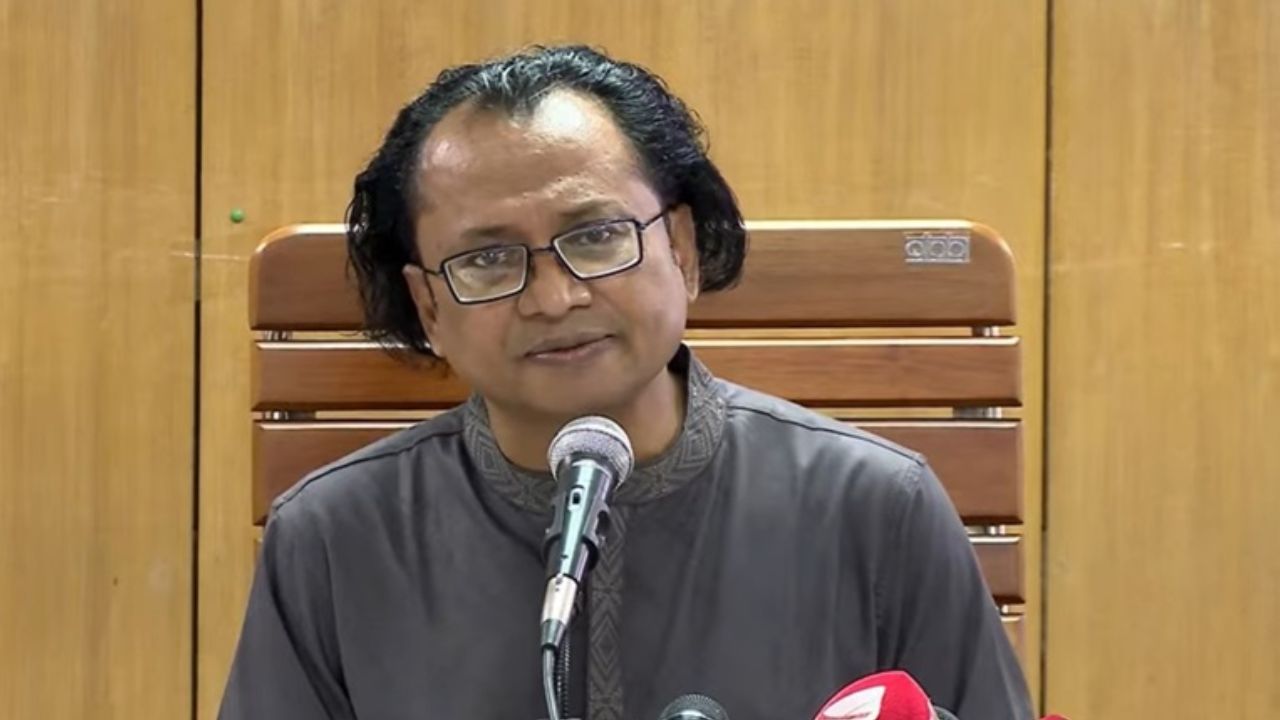
Later, at a meeting in Ishwardi, Pabna, on 12 June, Science and Technology Minister Faqir Mahbub Anam said electricity from the plant would be added to the national grid by the end of August.
He also said Unit 1 would reach its full 1,200-megawatt output by December.
Those targets were delayed after a valve problem developed in Unit 1.
A five-member team of Russian nuclear experts later arrived in Bangladesh and, following tests and inspections, the valve problem was resolved.
Officials now expect the first 300 megawatts to reach the national grid by December, while the earlier target of achieving the full 1,200-megawatt output from Unit 1 by then has also been pushed back.
The Rooppur plant has two units, each with a capacity of 1,200 megawatts.
Russian contractor Atomstroyexport is constructing the plant.
Once fully operational, the plant is expected to meet around 15 per cent of the country’s total electricity demand.
Although electricity from Rooppur is expected to cost less than conventional fossil-fuel-based power, the government has yet to finalise the tariff.
A ministry official said discussions over the price with Rosatom, the Russian company constructing the power plant, had not yet been completed.
Bangladesh’s first nuclear power plant is being constructed at a cost of $12.65 billion at Rooppur in Ishwardi upazila of Pabna with Russian financial and technical assistance.
The plant will have a total generation capacity of 2,400 megawatts through two VVER-1200 reactors.
Construction of the first unit formally began on 30 November 2017.
The project deadline was later extended by three years and, under the revised schedule, is expected to be completed by December 2027.
Officials have confirmed that the national grid is fully prepared to receive electricity from Rooppur once generation begins.