
Once hailed as a material of modern convenience, plastic has transformed into a pervasive environmental and public health crisis in Bangladesh. As annual per capita plastic consumption in urban areas tripled from 3kg in 2005 to 9kg in 2020, the nation reached a critical juncture.
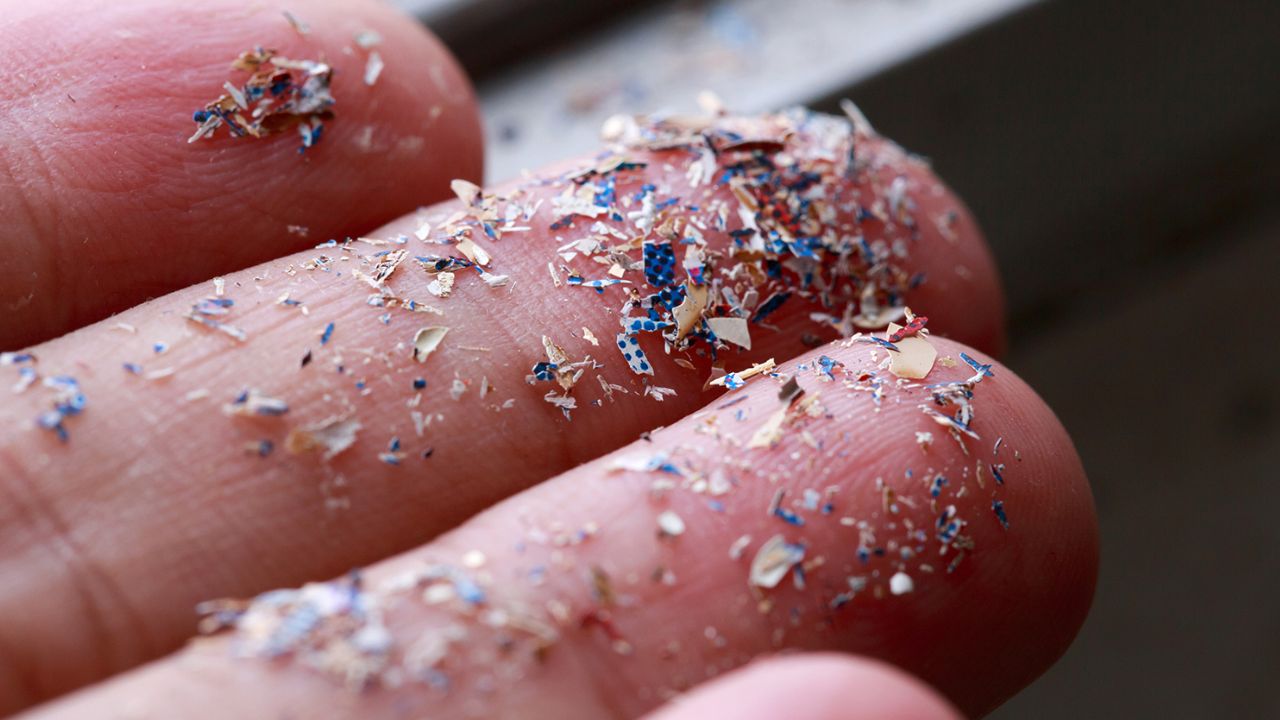
Microplastics, defined as particles less than 5mm, and nano plastics have infiltrated the air, soil, and water, effectively entering the internal biological systems of the population.
With system dynamics models predicting that per capita plastic waste could reach 11.6kg by 2040, the question of concern is increasingly answered by disconcerting scientific evidence.
A nation under silent siege
Scientific research confirms that Bangladesh’s environment is more heavily contaminated with microplastics than many of its regional neighbours.
A landmark doctoral study led by Md Mazharul Islam, an instructor at the Bangladesh Marine Fisheries Academy, revealed that southeastern coastal and estuarine surface waters in Bangladesh contain an average of 560 particles per m³, nearly double the 328 particles per m³ found in China’s Xiamen Bay.

This contamination is not confined to the coast; urban lakes in Dhaka, such as Dhanmondi, Gulshan, and Hatirjheel, show abundances reaching 36,000 particles per m.³
In the industrialised Buriganga River, every water and sediment sample examined tested positive for microplastics, many of which carry toxic heavy metals like lead, cadmium, and chromium.
The pollution extends to terrestrial systems, where agricultural soils near textile hubs and landfills in Khulna show “very high” risk levels as particles migrate vertically through biological activity and plowing.

Direct oral route: Toothpaste and table salt
Perhaps the most alarming evidence for the average citizen is the presence of microplastics in daily consumer products, creating a direct pathway for oral ingestion. A 2026 study by the Environment and Social Development Organisation (ESDO) detected microplastics in 76.5 per cent of toothpaste samples sold in Bangladesh.
Of the 25 locally manufactured brands tested, 88 per cent were contaminated, with concentrations reaching 320 particles per 100g in products such as Mediplus Fluoride Gel.
Manufacturers often use these particles as cheap fillers or abrasive agents without declaring them on packaging. Beyond oral care, microplastics are woven into the national diet; open-pan sea salt from Cox’s Bazar and Maheshkhali contains up to 6,851 particles per kg.
Between 73 per cent and 83 per cent of commercial river fish, including dietary staples like hilsa, contain microplastics in their gastrointestinal tracts.
Assessing biological and economic cost
The biological consequences of this exposure are increasingly disconcerting, as microplastics have been detected in human blood, lungs, brain tissue, breast milk, and the placenta.
Research indicates that microplastics can cross critical biological barriers and act as vectors for endocrine-disrupting chemicals (EDCs) like Bisphenol-A (BPA) and phthalates, which are linked to reproductive disorders and developmental abnormalities.
A 2024 study published in New England Journal of Medicine found that patients with microplastics in their carotid artery plaque had a nearly five times higher risk of heart attack, stroke, or death within 34 months than those without.
Economically, the crisis costs Bangladesh approximately $39 million annually in degraded fisheries and tourism, with cleanup initiatives consuming nearly 30 per cent of the nation’s entire environmental budget.
Despite being the first country to ban thin polythene bags in 2002, Bangladesh continues to struggle with a profound gap between policy and enforcement.
The Department of Environment has set targets for 2030, including a 90 per cent reduction in single-use plastic utilisation, yet the continued prevalence of banned bags demonstrates the limits of current regulatory capacity.