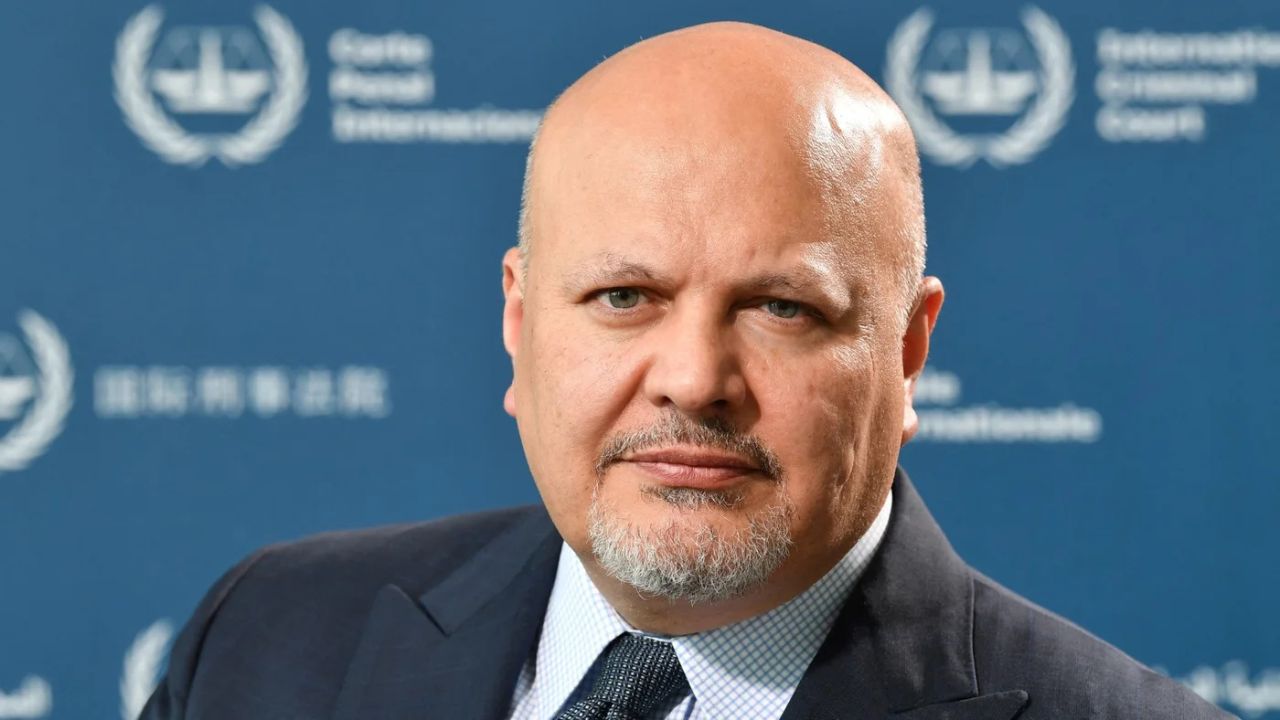



The future of International Criminal Court (ICC) Chief Prosecutor Karim Khan rests with the 125 member states, who are scheduled to vote on 24 July following a two-year investigation into allegations of sexual misconduct.
The unprecedented vote at the United Nations headquarters in New York follows the recent decision of the court’s primary accuser to break her silence, describing what she termed an “escalation of attempts” by the prominent British lawyer.
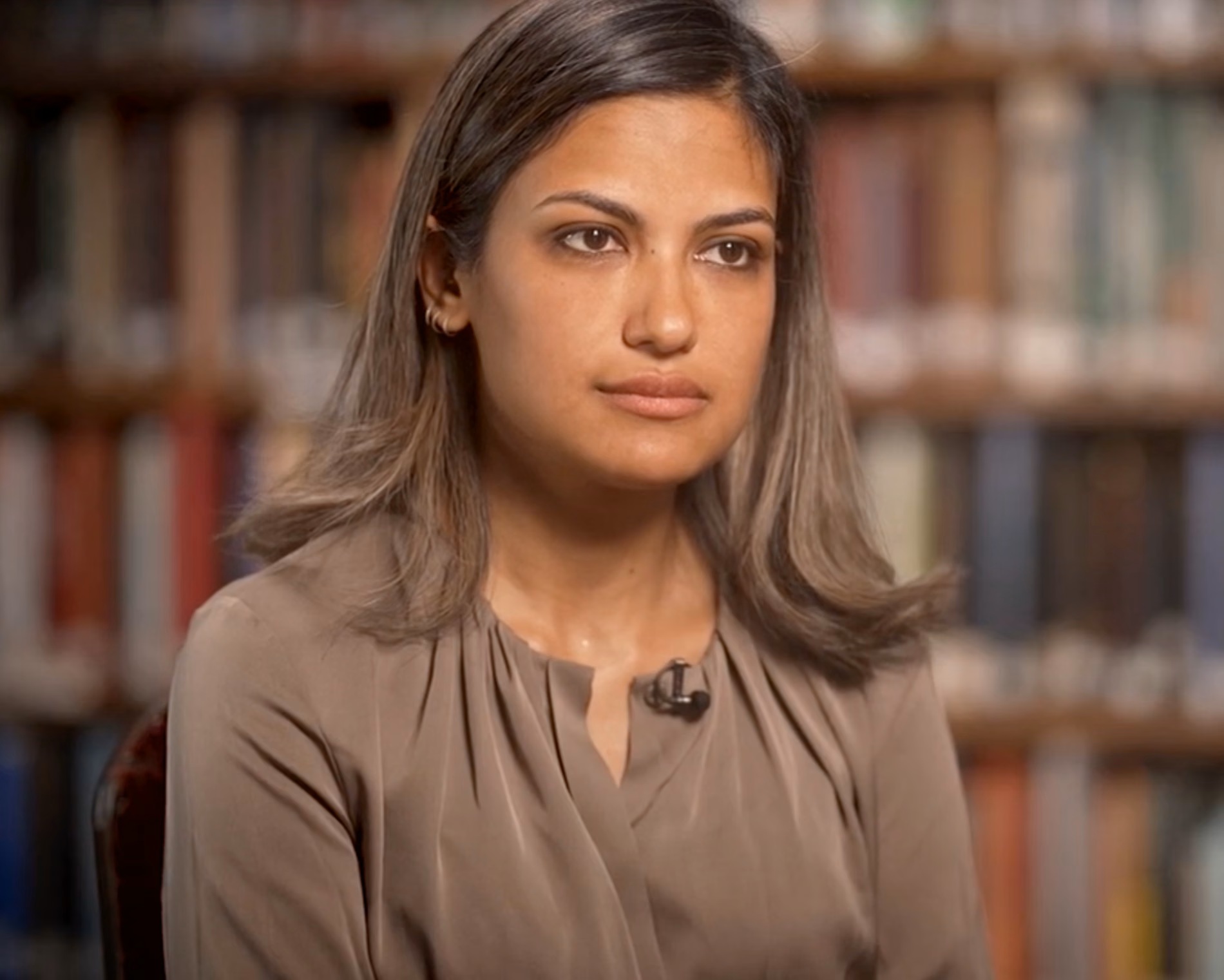
The primary complainant, identified as Sarah, is a 39-year-old Malaysian lawyer who has served the ICC since 2017 and worked as a direct special assistant to Khan between 2023 and 2024.
In a world-exclusive interview with CNN, Sarah alleged that the misconduct began with “encroachments on the boundaries” that transitioned into physical “pawing” and non-consensual sexual acts, including groping and genital penetration.
She detailed one specific incident during an official visit to Colombia where she alleged Khan entered her hotel room and groped her while she pretended to be asleep.

Sarah stated she often “froze” and feared that refusing his advances would jeopardise her livelihood and work visa, noting that “it cannot be consensual” when such a significant power disparity exists.
A second woman, referred to by the pseudonym Patricia, also came forward with allegations dating back to 2009 when she was an unpaid intern for Khan’s team.
Patricia alleged that during sessions at Khan’s home, he subjected her to a “constant onslaught” of groping and kissing, including an incident where he allegedly groped her breasts while she sat at her desk.



Khan’s lead counsel, Sareta Ashraph, has denied all these allegations in their entirety, asserting that the “complete evidential picture” differs significantly from the accounts presented publicly.
Conflicting investigative reports
The path to the upcoming vote has been marked by differing conclusions from various investigative bodies.
A confidential report by the United Nations Office of Internal Oversight Services (OIOS) found evidence showing a “factual basis” for the claims based on interviews with Sarah and her colleagues.
Conversely, a March report by an ICC panel of judicial experts concluded there was “insufficient evidence” to meet the legal standard of proof “beyond reasonable doubt”.
However, the court’s executive committee later suspended Khan in June, concluding he had committed serious misconduct and sexual harassment. The committee found “beyond a reasonable doubt” that a sexual relationship had occurred and determined that, within the context of such a power imbalance, a sexual relationship could never be appropriate. Internal documents also revealed that Sarah had been placed on “suicide watch” following the alleged conduct, a claim Khan’s legal team said was not supported by medical evidence presented to investigators.
Claims of political motivation
Khan and his defenders have suggested the allegations are part of a state-sponsored effort by Israel to discredit him following his pursuit of arrest warrants for Prime Minister Benjamin Netanyahu and other officials for alleged war crimes in Gaza.
Sarah has vehemently denied these claims, calling the idea that she was a “state actor” or spy “a load of bull” and noting she had passed the highest levels of security clearance under both Khan and former Chief Prosecutor Fatou Bensouda.
The crisis comes as the ICC faces external pressure, including recent announcements by the Trump administration of plans to “systematically disable” the court.
Despite the potential damage to her career, Sarah stated that the legitimacy of the court should not rest on the reputation of one man.
Under ICC rules, Khan can only be removed if a majority of the Assembly of States Parties finds he committed serious misconduct. Khan, elected in 2021 for a nine-year term, continues to maintain his innocence while he remains suspended pending the final decision next week.