
At least six people have been killed as demonstrations driven by soaring prices and economic hardship expanded to more regions of Iran, according to state-linked media reports.
Iran’s semi-official Fars news agency said on Thursday that three people were killed and at least 17 others injured during protests in Azna, a city in Lorestan province, around 300 kilometres southwest of Tehran, reports Al Jazeera.
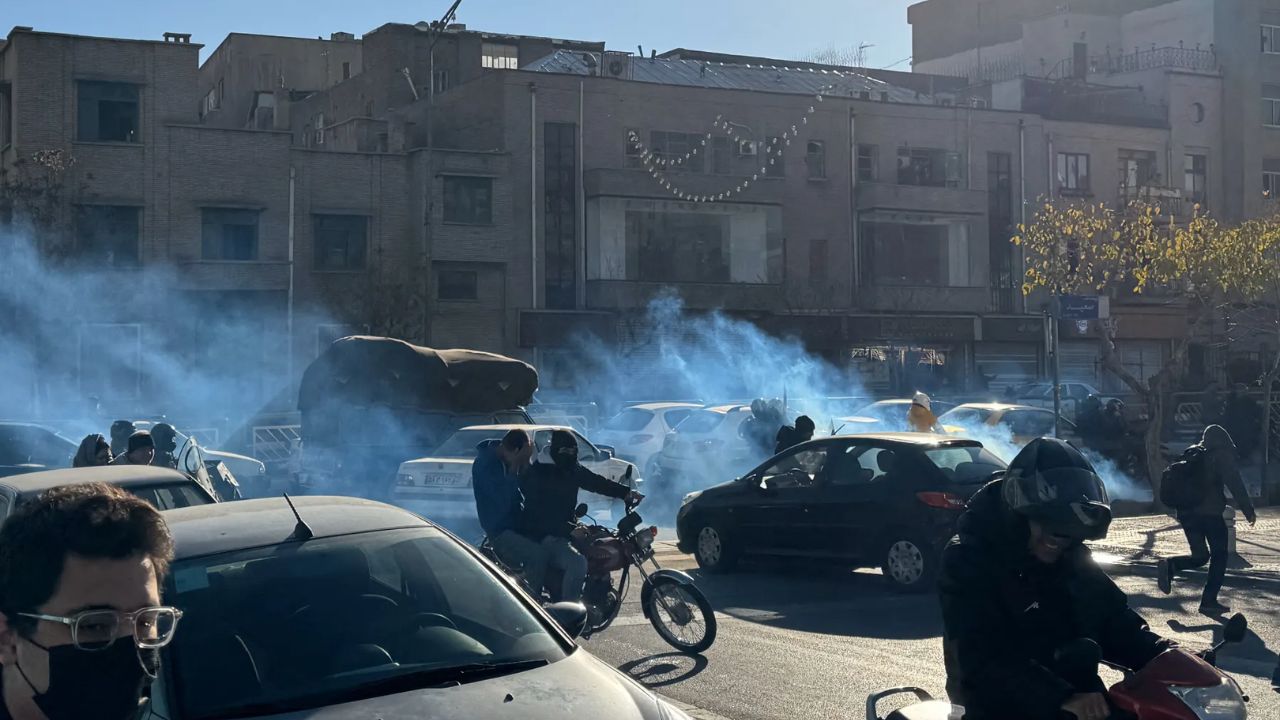
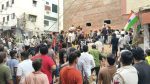
Video clips circulating on social media appeared to show fires burning in the streets, with gunshots heard as protesters chanted slogans condemning the authorities.
Earlier, Fars reported that two people lost their lives in unrest in Lordegan, a city in Chaharmahal and Bakhtiari province, roughly 470 kilometres south of the capital. The agency said some demonstrators threw stones at government buildings, including the governor’s office, a mosque, the town hall, banks and offices linked to the Martyrs’ Foundation, prompting police to use tear gas to disperse the crowd.
Separate footage shared online showed groups of protesters gathered on streets as the sound of gunfire echoed nearby.

State television also confirmed that a member of Iran’s security forces was killed overnight during protests in Kouhdasht, another city in Lorestan province. Citing provincial officials, the broadcaster said a 21-year-old member of the Basij force was killed while attempting to maintain public order.
The Basij is a volunteer paramilitary organisation affiliated with the Islamic Revolutionary Guard Corps (IRGC).
The latest unrest follows demonstrations that began earlier this week when shopkeepers protested against the government’s handling of a sharp currency depreciation and rapidly increasing prices. Iran’s economy has been under intense pressure from Western sanctions and high inflation, estimated at around 40 percent, compounding public frustration.


The protests come at a sensitive time for the country, weeks after air strikes by Israel and the United States targeted Iran’s nuclear-related facilities and senior military figures, further heightening tensions.
Reporting from Tehran, Al Jazeera correspondent Tohid Asadi said the authorities appeared to be responding more cautiously than during previous waves of unrest. “Officials say they are trying to address the economic pain people are experiencing and are looking for solutions,” he said.
Iran last witnessed widespread demonstrations in 2022 and 2023 following the death of Mahsa Amini, a young woman who died in police custody after being detained for allegedly breaching the country’s mandatory dress code.
The current protests initially started peacefully in Tehran before spreading to other cities after students from at least 10 universities joined the demonstrations on Tuesday.
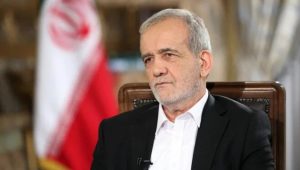
President Masoud Pezeshkian has attempted to ease tensions, publicly acknowledging what he described as the protesters’ “legitimate demands” and urging swift action to improve living conditions.
“From an Islamic viewpoint, if we fail to address people’s livelihoods, we will ultimately face severe consequences,” Pezeshkian said during a televised event.
Government spokesperson Fatemeh Mohajerani said on Thursday that authorities planned to engage directly with representatives of trade unions and merchants, though no timeline or details were provided.
Despite the conciliatory tone, officials have also warned against what they describe as attempts to exploit economic protests to create instability. Iran’s prosecutor general said on Wednesday that any move to turn demonstrations into violence or attacks on public property would be met with a “legal, proportionate and decisive response”.
Meanwhile, the Tasnim news agency reported that seven people had been arrested on allegations of links to groups hostile to Iran and based in the United States and Europe.
Iran is currently observing an extended weekend, after authorities abruptly declared Wednesday a bank holiday, officially citing energy conservation needs due to cold weather.