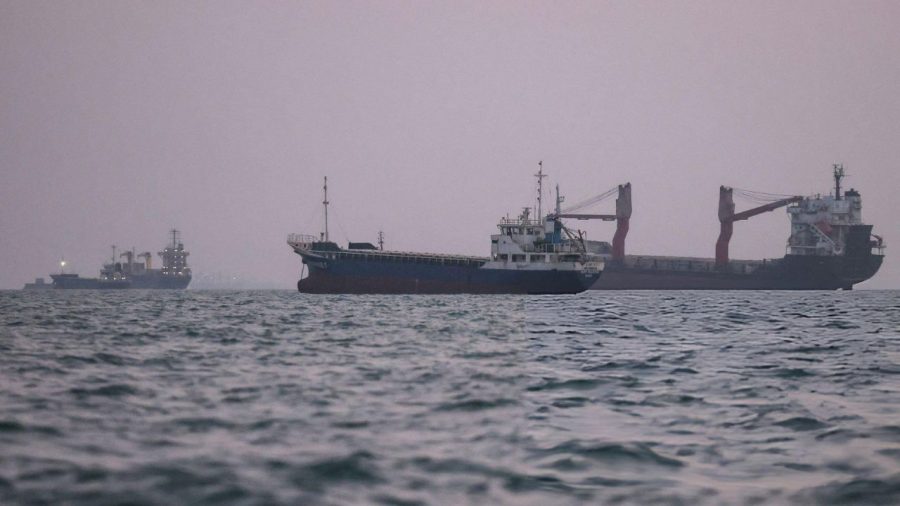

Six months after a conflict that unsettled global markets and pushed the Gulf towards wider war, momentum may be shifting against Iran as Washington deploys an unprecedented economic offensive to achieve what military force alone could not. According to Iranian insiders and regional sources, Tehran is now facing one of the harshest economic squeezes in the Islamic Republic’s history, with a US naval blockade and tightened sanctions curbing oil exports, restricting access to foreign currency and exposing deepening strain across the economy, reports Reuters.
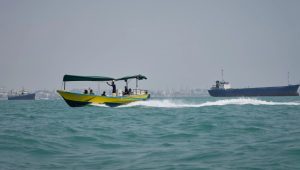
The campaign has prompted US and regional officials to bet that sustained economic pressure could eventually force Tehran to permit free passage through the Strait of Hormuz, a waterway carrying roughly a fifth of the world’s oil and LNG supplies. Their calculation rests on the belief that Iran is suffering greater economic harm than it is inflicting: efforts to curtail its oil revenue have taken hold, while Tehran’s attempts to disrupt shipping through Hormuz have failed to produce the global economic shock it had hoped would push Washington towards compromise, as markets adjusted and alternative supplies continued to flow.
Iranian analyst Arash Azizi said the balance of power had shifted somewhat against Tehran, noting that Iran had lost leverage over the strait having proven unable to close it entirely, and that the US naval blockade was “really hitting Iran.” He said Tehran had expected disruption in Hormuz to trigger major global economic shockwaves capable of forcing Washington back to the table, but acknowledged that this had largely failed to materialise, as other countries adapted and exposed the limits of Iran’s capacity to inflict wider economic damage.

Regional sources said it remained unclear whether the pressure would ultimately force concessions. Tehran has so far failed to impose the costs it hoped would break Washington’s resolve, yet has shown little inclination to abandon its demands for sanctions relief, access to frozen assets, and recognition of its security role in Hormuz. Still, the sources said a new formula for resolving the standoff was now under discussion between mediators and Iranian officials.
Three senior Iranian sources acknowledged that Washington’s campaign was becoming increasingly difficult to withstand, with the latest measures severely limiting Tehran’s access to foreign currency, imports and global financing channels that had previously helped sustain the economy. Iranian leaders reportedly fear that a deteriorating economy, marked by rising prices, weakened trade and mounting pressure on households, could reignite the kind of nationwide unrest that has repeatedly challenged the Islamic Republic, with officials citing growing concern over shortages of key imports such as fuel and wheat.



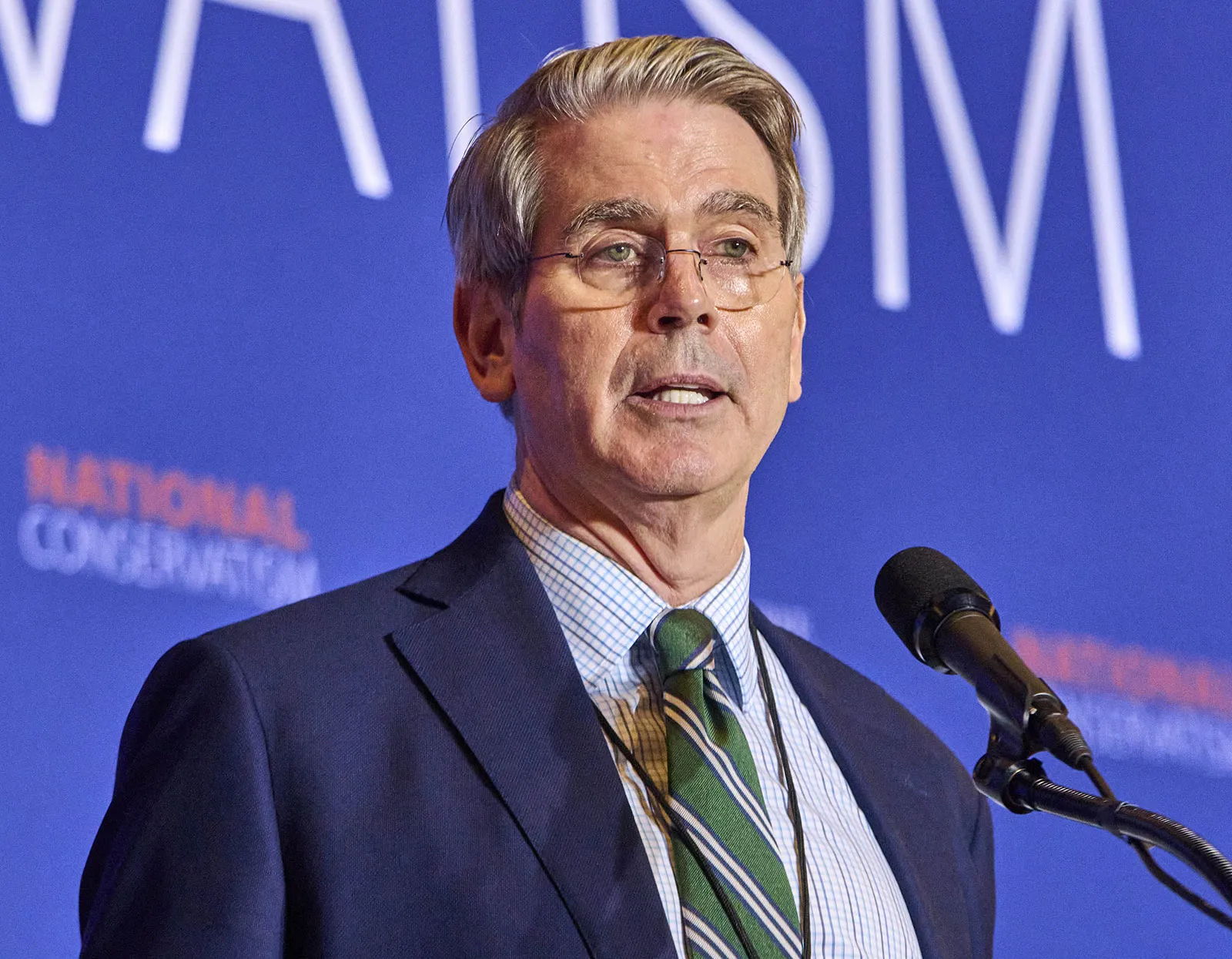
US Treasury Secretary Scott Bessent described Washington’s approach as a “one-two punch” combining the naval blockade with severe sanctions, telling CNBC that the strategy would ultimately succeed in bringing down the Iranian government. For some US, Israeli and regional officials, the mounting strain reinforces hopes that economic pressure could eventually generate political consequences within Iran, by fuelling unrest, deepening rifts among its leadership and weakening its hold on power. Others remain doubtful that economic and military coercion will produce a genuine political rupture, pointing to decades of failed efforts to destabilise the Islamic Republic and its demonstrated willingness to suppress dissent, arguing that Iran’s leadership may again prove more resilient than adversaries expect.
Dennis Ross, a former US negotiator, said Washington risked mistaking Iran’s economic distress for strategic success when the underlying picture was more complex. He said Tehran remained determined to demonstrate control over Hormuz but appeared to be calibrating its use of force while keeping the option of further escalation in reserve, suggesting that the Revolutionary Guards may believe Iran can absorb continued economic pain rather than compromise. Ross said Iran had “consistently surprised us” in terms of resilience, and expressed doubt that economic and military pressure alone would force a retreat, noting that hardliners may believe endurance will ultimately allow them to secure their aims.
Burcu Ozcelik, a senior research fellow at the Royal United Services Institute, said resilience may depend as much on public tolerance as on Tehran’s capacity to withstand economic hardship. She said the economic squeeze increased the risk of unrest, but that “a wartime mentality appears to have a significant hold” over the population for now, with foreign military intervention, civilian casualties and a broader sense of civilisational confrontation with a US-led order helping sustain patriotic support, tolerance or simple patience with the government.
The result, sources said, is a more entrenched impasse than Washington may have anticipated. Economic pressure continues to deepen the strain, but Iran’s Revolutionary Guards may view endurance, underpinned by the threat of further escalation, as a source of leverage rather than grounds for concession. Regional sources said the central question was not whether Iran was suffering economically, but whether it was suffering enough to compromise before either side risks slipping into renewed confrontation.
Ross suggested the clearest path towards a deal may lie in resolving the dispute over shipping fees through the Strait of Hormuz, with Iran potentially abandoning demands for a toll while retaining the right to charge for legitimate navigational, security or environmental services, an arrangement that could allow both sides to claim a form of victory without Tehran appearing to capitulate. He said that if the reopening of the strait could be announced, he believed Washington would agree to a deal.