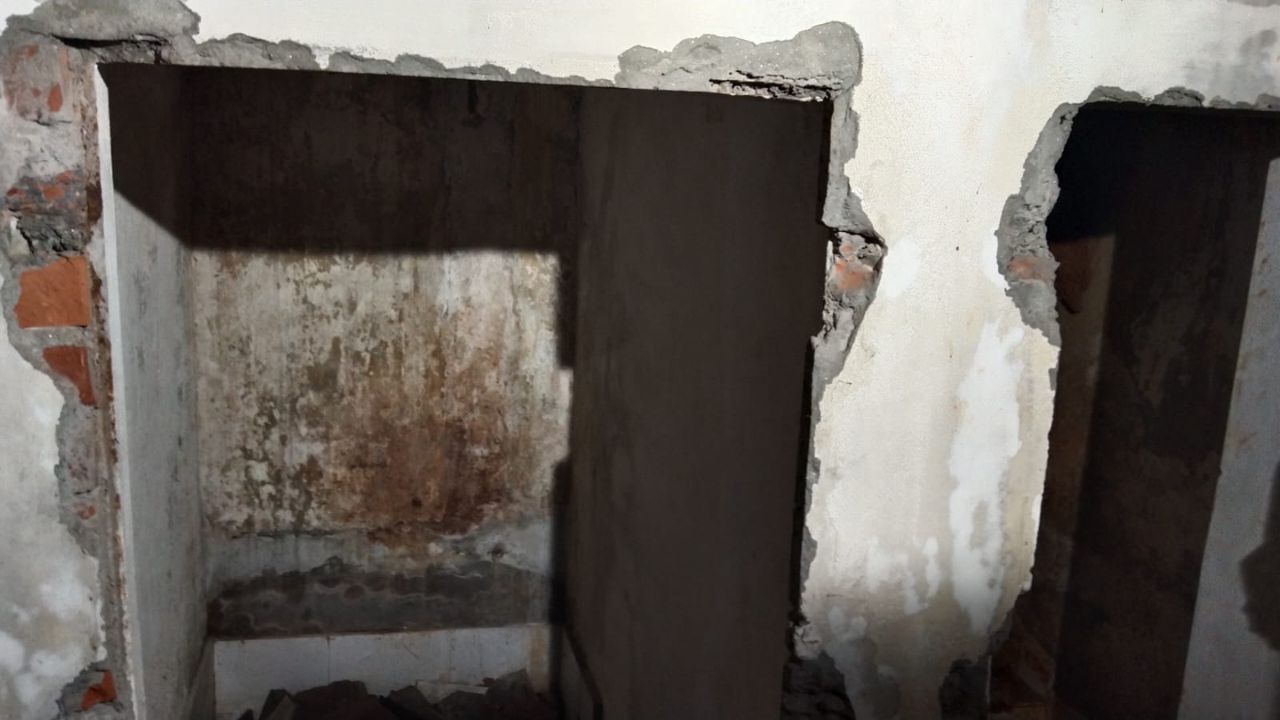



Preliminary investigations have found that Home Minister Salahuddin Ahmed was allegedly detained in a room at the Task Force for Interrogation (TFI) Cell, widely known as “Aynaghar”, before being taken to India, Chief Prosecutor Mohammad Aminul Islam said on Saturday.
He made the remarks after judges of the International Crimes Tribunal (ICT-1) inspected the alleged secret detention facility.
The chief prosecutor said investigators had identified the room where Salahuddin Ahmed was allegedly held based on victims’ testimonies and evidence gathered during the investigation.
The three-member ICT-1 bench, led by Chairman Justice Md Golam Mortuza Majumdar and comprising Justice Md Shafiul Alam Mahmud and Justice Md Mohitul Haque Enam Chowdhury, visited the “secret detention facility” at the Rapid Action Battalion (RAB)-1 headquarters in Uttara on Saturday morning.
The inspection was conducted in the presence of Aminul Islam, members of the prosecution team, defence lawyers, Commission of Inquiry on Enforced Disappearances member Nur Khan Liton, and reserved-seat lawmaker Sanjida Islam Tulee.
The tribunal ordered the inspection on 21 July following an application by the chief prosecutor seeking permission to inspect detention facilities operated by RAB, the Directorate General of Forces Intelligence (DGFI), and the Detective Branch (DB).

The prosecution alleges that political opponents were unlawfully detained, tortured and subjected to enforced disappearance at the facilities during the Awami League’s tenure in office.
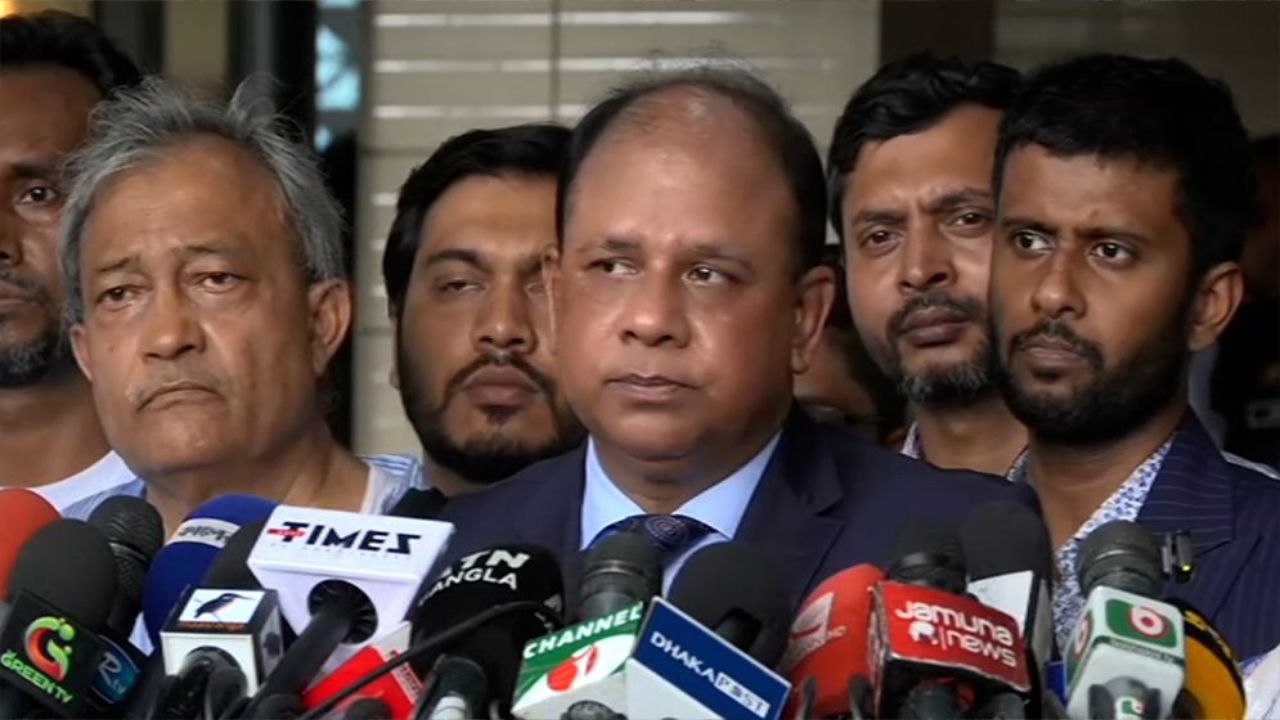
Speaking to reporters after the visit, Aminul Islam said the inspection was conducted under the ICT’s Rules of Procedure, relevant provisions of the Rome Statute and Bangladesh’s existing laws, which permit judges to inspect crime scenes.
He said investigators found 29 rooms of varying sizes inside the building, including several so small that a person could not lie down normally.




Based on witness testimonies and evidence collected during the investigation, detainees were held in the rooms for prolonged periods-sometimes for days, months or even years-with their hands and eyes bound.
The chief prosecutor alleged that detainees were subjected to various forms of torture. While some were later produced before courts in different cases, many others never returned.
He said more than 250 victims of alleged enforced disappearances remain missing, including former BNP organising secretary M Ilias Ali.
Testimonies from survivors who returned after August last year helped investigators identify several specific rooms inside the facility, he added.
Investigators have also identified the room where Barrister Arman was allegedly detained based on his testimony, Aminul Islam said.
He further alleged that detainees were denied constitutional and legal safeguards, including the requirement under Article 33 of the Constitution and Sections 61 and 167 of the Code of Criminal Procedure to be produced before a magistrate within 24 hours and informed of the reasons for their arrest.
According to the chief prosecutor, allegations of prolonged unlawful detention, enforced disappearance, torture and killings could amount to crimes against humanity.
Trials are already underway in some cases, while investigations into many others are continuing.
Aminul Islam also alleged that investigators found evidence of attempts to conceal parts of the original structure by constructing new walls inside the building. After removing several newly built walls, investigators uncovered concealed rooms and recovered what they described as potential evidence.
He said victims had identified one room on the ground floor as a “death cell”. Referring to the discovery of 29 rooms in the building, he questioned their purpose if they had not been used for legitimate state functions.
The chief prosecutor said the investigation was also examining those who allegedly attempted to destroy or conceal evidence by altering the building after the incidents.
He said the prosecution remained committed to ensuring transparent and impartial trials in line with international standards, adding that the conditions observed inside Aynaghar reflected “a horrifying reality rather than a fictional story.”
He added that the investigation extended beyond those directly involved in the alleged abuses and was also examining the responsibility of officials who issued orders and the political leadership of the time under the principle of superior command responsibility.