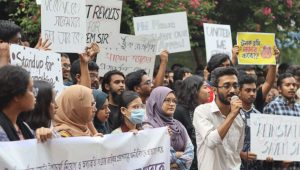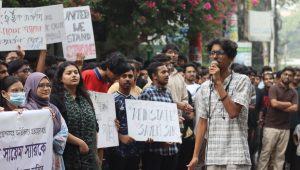



Once a vibrant hub of student creativity, Rajshahi University’s cultural scene is struggling to survive amid a shortage of space, dilapidated infrastructure, and what organisers describe as a lack of effective administrative support.
For years, cultural organisations at the university have demanded a purpose-built Teacher-Student Cultural Centre (TSCC). Yet despite repeated assurances, the project has seen little visible progress, leaving campus cultural life in a state of limbo.
The crisis deepened following the Rajshahi University Central Students’ Union (RUCSU) election last October.
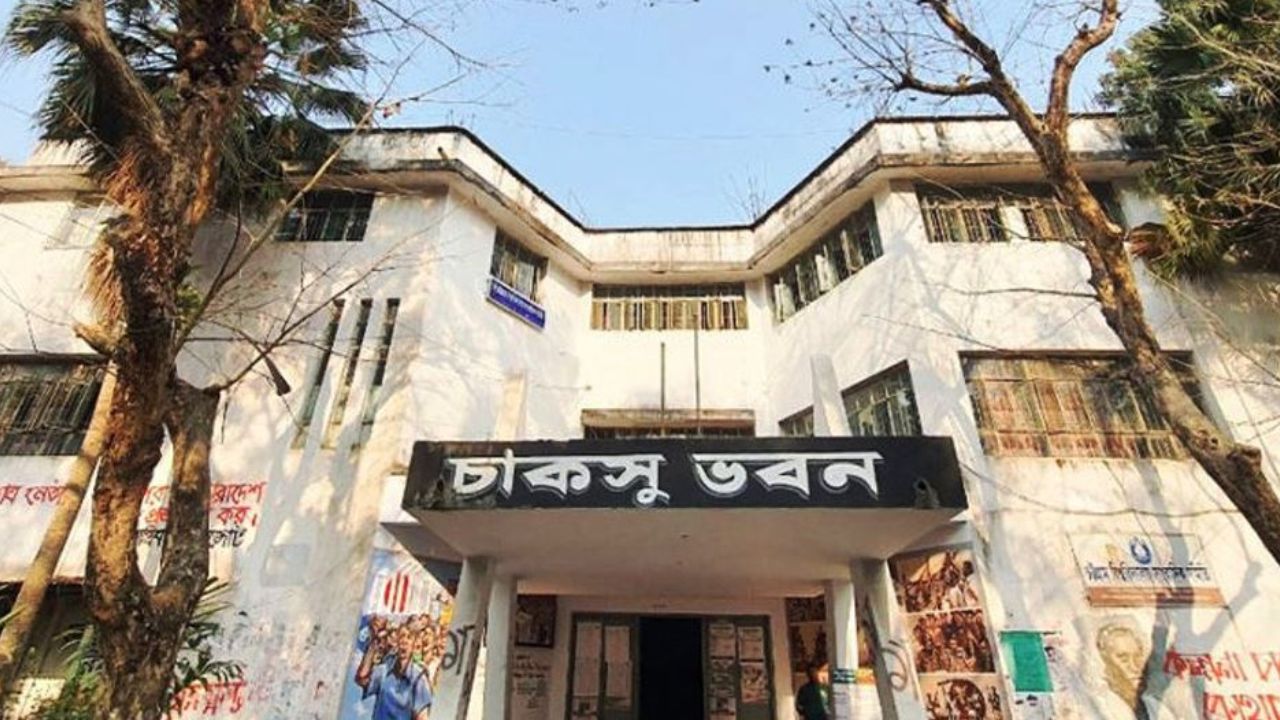
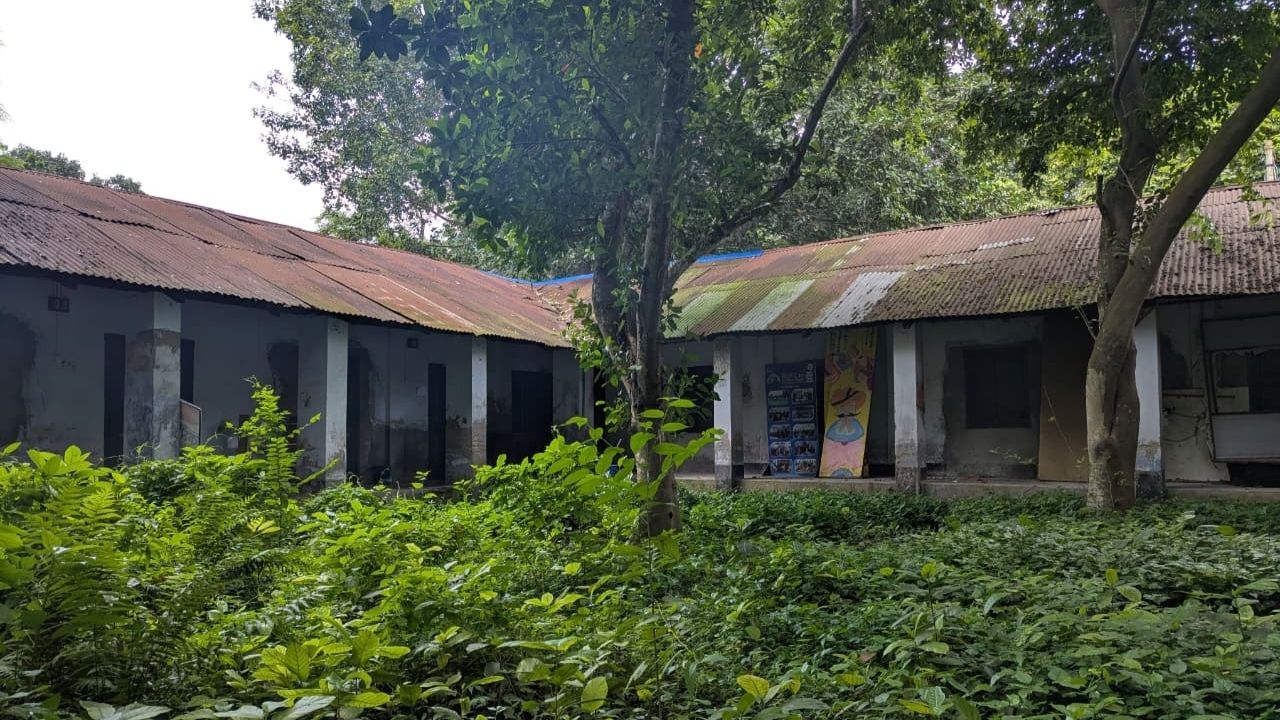
Prior to the polls, cultural groups operated from the main RUCSU building. Afterwards, the administration relocated them to the old Sheikh Russell Model School building, a move organisers say has severely disrupted their activities.
The new premises lack adequate space, proper ventilation, sufficient lighting, clean drinking water, and basic sanitation, making regular rehearsals and productions increasingly difficult.
“Compared with Dhaka University and Jahangirnagar University, the facilities available for cultural organisations at Rajshahi University are declining day by day,” said Nasim Ahmed, former president of the Rajshahi University Central Cultural Alliance.

“It is extremely disappointing that organisations representing the university have to work in such conditions. During rainfall, water leaks through the tin roof, damaging musical instruments. The cramped rooms also make proper rehearsals impossible,” he told TIMES of Bangladesh.
Around 15 cultural groups are currently operating from the site. Eight organisations under the Cultural Alliance have been allocated rooms, including the Rajshahi University Drama Association, Samakal Natya Chakra, Association for Culture and Education, Bangladesh Ganosangeet Sangstha, Tirthak Natya, Swanon, Udichi Shilpi Goshthi, and University Theatre Rajshahi. Other active groups include the Alternative Literary and Cultural Organisation of Islami Chhatra Shibir, JASAS, Arani Cultural Parliament, and the Anushilon Theatre Group.
However, the building itself stands as a monument to neglect. Many rooms are narrow, dark, and damp, featuring broken windows, a deteriorating tin roof, and peeling wall plaster. The washrooms are in a state of disrepair, while drinking water and internet connectivity remain sparse.


“These issues have been raised repeatedly, but no effective solution has been implemented,” Ahmed said. “The unsanitary surroundings inside and outside the building pose constant obstacles to our activities.”
A temporary location made permanent
Rifaiya Razzaq Rifa, general secretary of the Cultural Alliance, noted that the move drastically reduced their operational footprint.
“The old Sheikh Russell Model School offers less than a third of the space we had in the RUCSU building. As a result, staging theatre performances and hosting broader cultural events has become extraordinarily difficult,” she said.
Rifa added that poor lighting and a lack of drinking water create additional safety and practical concerns. “After dusk, the area becomes unviable for female members, and there is also a genuine fear of snakes. We formally applied for renovation work and secured approval from the vice-chancellor, but work is yet to commence.”
RUCSU Cultural Affairs Secretary Zaid Hasan Zoha also expressed frustration over the administrative delays.
“We repeatedly highlighted the urgent need to renovate the building during RUCSU sessions and in meetings with the administration. We were assured that the renovation budget would be allocated in the 2026-27 financial year, but it was ultimately omitted,” he said.
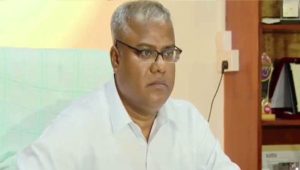
University Pro-Vice-Chancellor (Administration) Professor Abdul Alim insisted the administration is working on a solution. “We have raised the matter with the Chairman of the University Grants Commission and are continuing our efforts to secure support,” he said.
Unfulfilled pledges
The construction of a full-fledged TSCC was among 24 key reform commitments outlined by the Islami Chhatra Shibir-backed Samonnito Shikkharthi Jote, which won the RUCSU election on 16 October last year. However, ten months into their tenure, students report little tangible progress.
Addressing the delay, Zoha explained that the project requires substantial capital funding. “Constructing a full-fledged TSCC is a major infrastructure project. We plan to incorporate its budget alongside upcoming funding requests for several new halls of residence.”
Debate over cultural direction
RUCSU leadership has also faced scrutiny over the ideational direction of campus events since taking office. Critics contend that, apart from Qawwali and Islamic music programmes, broad-based cultural events have been largely sidelined.
Fuad Ratul, convener of the university unit of the Socialist Students’ Front, claimed the elected body has failed to represent the campus’s diverse heritage.
“The elected representatives of RUCSU have failed to look beyond promoting Jamaat ideology with student funds. Their inability to accommodate students of differing beliefs and perspectives underlines the ideological limitations of the Shibir-backed panel,” he told TIMES.
Zoha dismissed the criticism as politically motivated. “I have consistently prioritised national culture. Qawwali was performed at a single event, yet it is being disingenuously framed as though it defines our entire cultural portfolio,” he stated.