


Bangladesh pace bowler Jahanara Alam wants to return to the national team after recovering from severe mental health struggles, but says the Bangladesh Cricket Board (BCB) must ensure a safe environment for players, investigate allegations of abuse and introduce a safeguarding policy that holds everyone accountable.
Now playing and coaching in Australia, Jahanara says she remains confident in her ability to compete at a high level. She is prepared to meet the requirements for a comeback after nearly two years away from the national setup, but insists that her concerns extend beyond her own career.
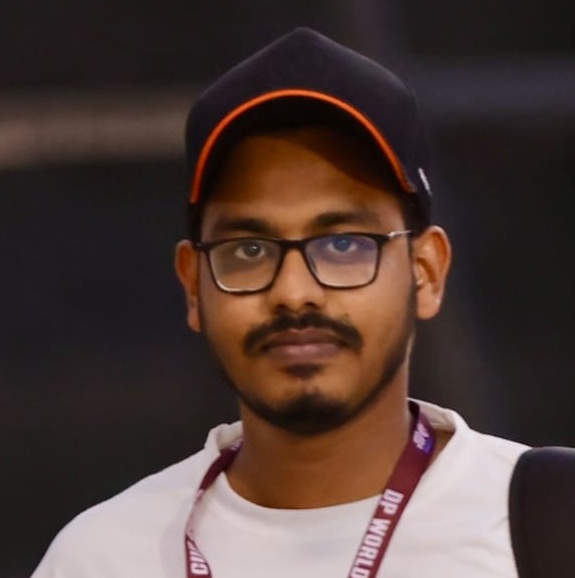
In an interview with Jubayer Tanin of TIMES, Jahanara spoke about her life in Australia, her recovery, the allegations she raised about the women’s team environment and her hopes of returning to international cricket.
TIMES: How has life been in Australia?
Jahanara Alam: Alhamdulillah, life has been very good. I play for Sydney Cricket Club and am involved in coaching its pathway programmes, including the second-grade, third-grade and women’s teams. I also coach the club’s pace-bowling group.
Besides that, I work with several academies and clubs. I am involved in a women’s under-16 and under-17 cricket tournament in Western Sydney, and I am joining Cricket New South Wales’ coaching setup. I also conduct one-to-one coaching sessions. Overall, I remain closely involved in cricket.
TIMES: There has been recent discussion about your willingness to return to Bangladesh cricket if given an opportunity. How did that conversation begin?
Jahanara: When the Bangladesh men’s team came to Australia, I spoke with the Bangladesh Cricket Board. They asked about my plans, and I told them that I definitely wanted to play again. I want to return and wear the national jersey.
I also mentioned that I want to retire on the field. If that does not happen, I will have no regrets. I will accept that it was not in my destiny and retire away from the field.
I do not know how the discussion about my return resurfaced recently.
TIMES: After taking a break following December 2024 because of mental health struggles, you spoke about needing a suitable environment and a healthy dressing room before considering a return. How much has changed?
Jahanara: I raised those issues through social media because I felt I had no other option. The people responsible at the time were themselves involved in the matters I was talking about, and even when we tried to speak normally, they would respond against us.
Speaking through the media was my only option. Other senior and junior players also raised their voices, including Rumana, Cobra and Murshida Khatun Happy.
The issues I raised were not limited to two individuals. The allegations of sexual harassment and mental abuse involved former coach Manjurul Islam, members of the support and coaching staff, and some players.
TIMES: How severe was your mental health condition, and how did you recover?

Jahanara: It was a very severe condition, and recovering from it was extremely difficult. My therapist in Australia was surprised that I had continued playing cricket for so long in that mental state. I also have medical reports.
I received therapy through two organisations. One was arranged by my club, and the other was through the World Cricketers’ Association. The WCA arranged the treatment and covered the associated costs, while my club also stepped forward to organise therapy after learning about my condition.
Receiving support from both helped me recover and return to cricket relatively quickly.
TIMES: Are the problems that led you to step away from the national team still there?
Jahanara: Manjurul received punishment through the board, as everyone knows. An inquiry committee was formed, but it was specifically asked to investigate sexual harassment. Other issues were overlooked.
I am not the only person who suffered. I raised my voice, but other players, including Rumana, Cobra and Happy, also spoke about their experiences.
The environment I left may have changed because the management has changed. Those who misused their power and mentally abused or tortured players may no longer be able to do so in the same way because their influence came from the management at the time.
But the question remains whether the broader problems have been addressed.
TIMES: The management has changed, but many of the players you had accused or criticised are still involved. Does that concern you?




Jahanara: Around 80 per cent of the support staff and much of the playing group remain the same. The question is whether players can misuse their influence over teammates and damage their careers.
Some players have found it very difficult to recover from those experiences. Rumana no longer wants to return to cricket. Salma Khatun has effectively been moved away from playing and given a selector’s job. Cobra disappeared from the setup during her peak years.
Murshida Khatun Happy returned from South Africa with strong performances, but there were occasions when she was not called to camp.
These are the kinds of issues that need to be examined.
TIMES: Several people have spoken about senior players being pushed out of the team. Why do you think that happened?
Jahanara: There has been a trend of removing senior players. Salma, Rumana and Jahanara had the capability to lead the team if they remained in the setup. I believe their removal was planned by Manjurul and two officials, Towhid and Manju.
These matters need proper investigation rather than being left unresolved.
TIMES: Murshida Khatun Happy had also made allegations of verbal abuse involving her parents. Why do you think there has not been a broader investigation into such complaints?
Jahanara: That is exactly what I want to know. Why was no inquiry committee formed to examine the issues I raised? I do not know whether any investigation has taken place because nobody has contacted me or asked me about the allegations.
Shouldn’t there be an investigation to establish what actually happened? Shouldn’t the people involved be questioned and held accountable?
TIMES: From a distance, how much progress do you think Bangladesh women’s cricket has made?
Jahanara: Let me give you an example. The Women’s Premier League in India has created opportunities, but no Bangladeshi player was included in the auction I am referring to.
Two years ago, three emerging Bangladeshi players had been included in the process, and I was certain Marufa Akter would be picked. I had good relationships with people in India because I had played in the IPL twice and maintained close communication with players there.
I believed Marufa had a genuine chance. But a situation involving the captain of that team developed, even though the BCB was not involved, and it ruined the opportunity.
TIMES: When do you hope to return, and what conditions would you want fulfilled before making that decision?
Jahanara: I am thinking about everyone, not just myself. How many more years can I play? At the international level, I may have another two to four years, perhaps only two. Domestically, I might play for another five to seven years.
For a fast bowler, playing for 20 years without injury is extremely difficult. I am not asking for these changes just for myself. I want a healthy environment for everyone.
I want a proper investigation into the allegations and a safeguarding policy. If these things happen and Allah has it in my destiny, I will return and play. My greatest wish is to retire on the field wearing the red and green jersey.
TIMES: Beyond your desire to play again, do you still feel you have something left to give to Bangladesh cricket?
Jahanara: Definitely. I had reached a point from which bouncing back was extremely difficult.
Mental fitness is a huge part of cricket. My mental condition deteriorated so badly that I began losing physical strength. I struggled to imagine bowling, batting or fielding, and even standing confidently in front of people.
Sometimes I could not speak properly or find the right words. I could not sleep for four or five consecutive nights, and when I did sleep, it might be only for one night before the problem returned. I also experienced breathing difficulties.
It was an extremely difficult period, and recovering from it took a great deal of work.
TIMES: You are playing for Sydney Cricket Club in Australia. How can that experience help you return to Bangladesh cricket?
Jahanara: After receiving therapy and recovering, I realised that I could still compete. I am playing at a high level in Australia, where the competition is demanding.
That has given me confidence that I still have the fitness required. Before leaving Bangladesh in December 2024, I had also proved my fitness in the last test I took. I believe I was among the three fittest players in the national team.
If I return, I know I will have to pass the fitness test and fulfil all the formalities. I have been outside the team for nearly two years, and I am ready to follow the process.
TIMES: You have previously spoken about being downgraded from the A to the C salary category and being left out of training camps. What happened?
Jahanara: I was kept out of the camp for a year despite continuing to play cricket. My salary was reduced from the A grade to the C grade, and I felt that I was being financially and professionally undermined.
I was told that I would have to produce extraordinary performances in domestic cricket to return. Normal performances would not be enough.
I eventually produced strong performances, returned to camp and passed the fitness requirements. I then made my way back into the team.
TIMES: Who was responsible for reducing your salary, and why were you downgraded?
Jahanara: The Bangladesh team captain, Nigar Sultana Joty, Nahida Akter, Farzana Haque Pinky and Ritu Moni held a meeting with Manju and Towhid, and they made the decision. I am saying this because Murshida Khatun Happy was also present at that meeting.
At the time, the captain had a good relationship with Happy and viewed her favourably. But later, when that relationship deteriorated, Happy was subjected to physical assault and verbal abuse involving her parents. She then distanced herself from that group because she did not want to keep facing such abuse. Happy has spoken about this, and she was present at the meeting.
I was downgraded from the A category to the C category, which I believe was intended to damage me financially. Despite being under contract and receiving a salary, I was not called up for the national team camp, not even the preliminary camp involving 24 to 25 players. I was kept out for a year.
I was officially told that I would have to produce extraordinary performances in domestic cricket to earn my place back. An ordinary performance would not be enough.
I did produce top performances in domestic cricket before returning to the camp. I then performed well there and passed the fitness tests and other requirements before making my comeback to the team. So, this is not something new to me.
TIMES: So, you are ready to meet the requirements for a return to the national team?
Jahanara: Yes. I am ready to take on the challenge. I am a professional, and I will follow all the protocols.
But the BCB also has responsibilities. The current committee may not have been involved in what happened previously, but the problems experienced by players over the years still need to be addressed.
I want a healthy environment for everyone and a safeguarding policy under which all individuals are held accountable. I want the allegations investigated so that we can establish what happened.
If that environment is created and Allah has it in my destiny, I will return. I want to wear the red and green jersey again and retire from cricket on the field.