Industry stakeholders have warned that standard compliance audits in Bangladesh’s ready-made garment (RMG) sector are failing to fully capture key labour rights violations, including wage gaps and forced overtime, calling for stronger human rights due diligence across supply chains.
The concerns were raised at a workshop held in Dhaka on Monday, organised by Fair Wear Foundation, focusing on Human Rights and Environmental Due Diligence (HREDD) and the Fair Wear Code of Labour Practices in the RMG sector.
The half-day session was moderated by Fair Wear Foundation Country Manager Md Bablur Rahman and Programme Coordinator Md Ashfike Khalaque, who said supply chain oversight must move beyond traditional compliance checks towards continuous engagement involving brands, suppliers and worker representatives.

Participants reviewed labour risks identified in the Fair Wear Bangladesh risk profile and emphasised the need to extend monitoring beyond Tier 1 factories to deeper levels of the supply chain.
Group discussions identified persistent violations, including gaps between minimum wage compliance and living wage expectations, undocumented and involuntary overtime used to bypass audits, delayed wage payments, gender-based wage disparities, and illegal wage deductions, including withholding of benefits at termination.




The workshop also highlighted systemic challenges faced by women workers, including restricted mobility within factories, limited access to leadership roles, inadequate social protection such as provident funds and insurance, and reported cases of dismissal linked to pregnancy.
Participants said these findings point to a disconnect between formal labour policies and factory-level implementation, where compliance standards do not consistently reflect workplace realities.
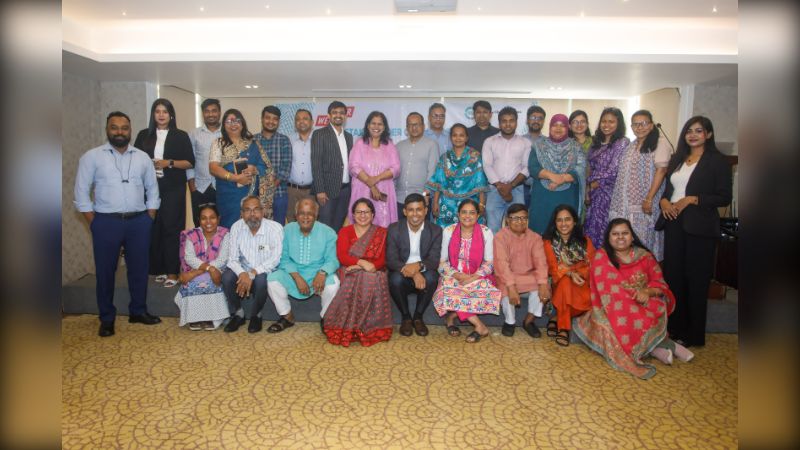
Care Bangladesh Deputy Project Director Babul Azad said labour laws and guidelines often remain limited to documentation unless effectively enforced at factory level. He added that workplace stress and mental health should be recognised as structural supply chain risks alongside physical working conditions.
IndustriALL Bangladesh Council President Kutub Uddin Ahmed said workers remain central to the RMG industry but continue to face inadequate wages, healthcare and living conditions. He said ensuring fair wages and freedom of association is essential for credible ethical manufacturing.
He added that human rights due diligence must move from policy discussion to practical implementation through coordinated action among stakeholders.
The workshop concluded that risk prioritisation and validation exercises would support updates to Fair Wear’s country risk profile and strengthen advocacy for mitigation measures involving brands, suppliers and industry associations across the supply chain.