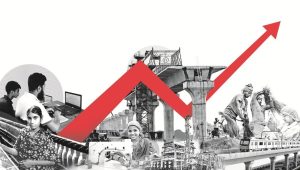



Bangladesh’s remittance inflow rose 13 per cent year on year to $11.46 billion in the first four months of the current fiscal year, although monthly receipts have remained below $3 billion since June amid the impact of the Middle East conflict on migrant workers.
Expatriate Bangladeshis sent home $11.465 billion between July and 31 October, up $1.316 billion from $10.149 billion in the same period of FY26, according to the latest data.
In October alone, remittances grew 12.1 per cent to $2.874 billion from $2.564 billion a year earlier. Of the total, $218 million arrived during 29-31 October.
Industry insiders said the prolonged Middle East conflict had affected migrant workers’ earnings, employment opportunities and ability to send money home, particularly those based in the region.

They warned that continued uncertainty could constrain remittance growth when Bangladesh needs stronger foreign exchange earnings to meet external payment obligations.
The pressure has intensified as rising oil and gas import bills increase demand for US dollars.


Bangladesh Bank data showed that the weighted average interbank exchange rate rose to Tk124.30 per dollar on Sunday from Tk123.99, reflecting growing pressure on foreign currency payments.
Despite monthly inflows remaining below $3 billion, remittances maintained year-on-year growth during July-October.
Remittances are a major source of foreign exchange, helping Bangladesh finance imports, meet external payments and support reserves. They also sustain household spending and provide income for millions of families.

However, rising import bills and uncertainty over overseas employment pose challenges to maintaining a steady foreign currency supply.
Economists and market observers have stressed the need to increase remittances through formal channels and diversify foreign exchange earnings to ease exchange rate pressure.
Sustaining remittance growth remains important as Bangladesh faces external payment pressures and seeks stability in the foreign exchange market.