Following the brutal murder of retired schoolteacher Ganapati Chakraborty and three family members in Rangpur, human rights organisation Ain o Salish Kendra (ASK) has called for a comprehensive, impartial, and professional investigation.
A rigorous inquiry is essential to establish the exact nature, motive, and sequence of events, and to identify the actual perpetrators.
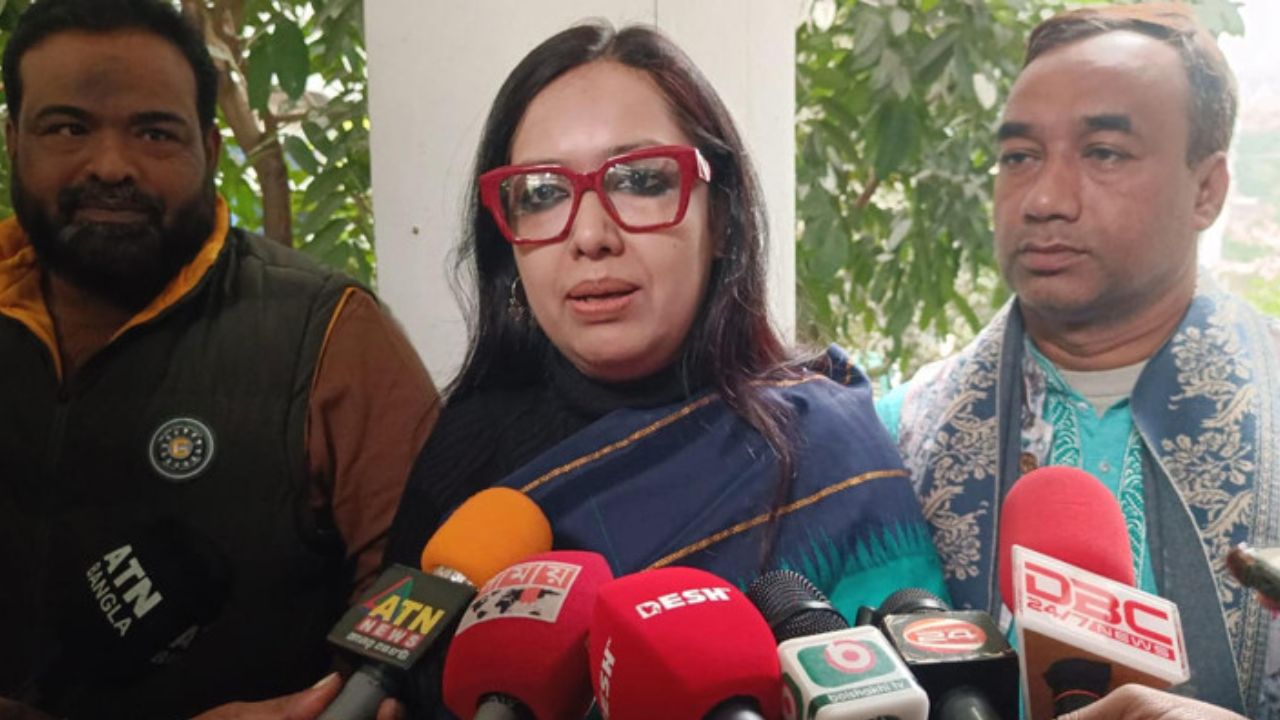
An ASK fact-finding team visited Rangpur on 24–25 August 2026, interviewing relatives, neighbours, suspects’ families, local journalists, police, and morgue staff, though they could not meet the autopsy doctor.
The bodies of Ganapati, his wife Pritilata, and their children, Agami and Ayush, were recovered on the night of 22 August from their Machhuapara/Kamalkachna residence.
The killings occurred on 20 August. Ganapati’s elder brother, Gopinath Chakraborty, filed a case on 23 August against unidentified suspects at Kotowali Police Station, which has since been transferred to the Detective Branch (DB).
Contradictory timelines and anomaly of the night call
Pritilata’s sister, Puja Chakraborty, last spoke with her sister at 11:30pm on 20 August. Intriguingly, Puja noticed an unanswered call from Pritilata’s number at 2:40am on 21 August – an unusual hour since her sister rarely called so late.

This call complicates the timeline presented by the police. Police Commissioner Mohammad Abdul Mabud said the suspects, Siddhartha Das and Mugdha Das, were smoking yaba on the roof towards dawn when Ganapati caught them, leading to an argument and his murder.
The police claim the suspects then killed the other family members to eliminate witnesses and ransacked rooms to simulate a robbery.
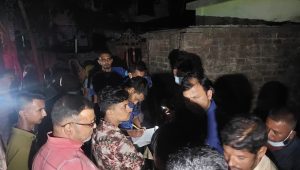
After failing to reach her sister, Puja and her husband went to the house around 9:15pm on 22 August, discovering the scene with neighbours, police, and the fire service.


Ganapati’s body was on the roof, Pritilata and Agami’s on the stairs, and Ayush’s in a room corner, amidst ransacked belongings.
ASK stressed that verifying the 2:40am call – its caller, duration, location, and when family phones were switched off – via Call Detail Records (CDR) and digital evidence is critical to resolve the gap with the police’s “dawn” timeline.
Forensic gaps and unresolved electrical disconnection
Police also claimed that after the killings, the suspects ate, bathed, and ransacked the house before fleeing.
ASK argued that if the suspects stayed in the house, extensive forensic evidence – including DNA, fingerprints, hair, and skin cells – must be present in bathrooms and on utensils, furniture, and doors.
The group urged police to clarify if these organic samples were analysed to substantiate their claims, rather than relying solely on confessions.
ASK also questioned the home’s electricity disruption, which police linked to bypassing CCTV, mentioning that its exact timing and execution must be scientifically verified.
Besides, the suspects’ families voiced serious doubts.
Siddhartha’s father, Binoy Das, questioned aspects of his son’s detention, including his clothes, while Mugdha’s mother, Sena Rani Das, and the parents of suspect Shimanto Chandra Das demanded a fair inquiry.
Shimanto’s parents claimed he was home that night and Siddartha only visited briefly.
Urgency for scientific and professional inquiry
Regarding the bodies, Morgue In-charge Shaheb Ali and autopsy assistant Joton Kumar said they were decomposing. Joton observed no sharp weapon injuries but noticed blunt force marks and no immediate signs of sexual violence on the female victims, though samples were sent for tests.
ASK cautioned that morgue staff observations cannot replace official medical findings, and reliable conclusions regarding death causes and injuries require final autopsy and chemical reports.
Kotowali OC AKM Nazmul Kader confirmed the case’s transfer to DB, where Deputy Commissioner Sanatan Chakraborty assured ASK they are verifying all evidence with gravity, dismissing external rumours.
To maintain public trust, ASK urged police to avoid preconceived notions and transparently present the forensic and digital evidence underpinning their findings. A comprehensive, impartial, and professional investigation remains imperative to uncover the truth.