The long-time alliance between BNP and Jamaat-e-Islami is rapidly unravelling as both parties have launched counter-campaigns over old issues. With the 13th parliamentary election approaching, more than two decades of cooperation is giving way to open hostility.
Political analysts say the rupture reflects a familiar reality of power-driven politics where allies frequently become adversaries when access to power is at stake. Even so, they argue that rather than relitigating history, both parties should have presented forward-looking national agendas suited to the new political context.
Tensions intensified last week after Jamaat-aligned groups began campaigning against BNP over allegations of extortion and irregularities following the July uprising. BNP retaliated by reviving criticism of Jamaat’s role during the Liberation War in 1971, pushing relations to breaking point.
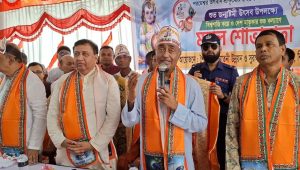
At a divisional rally of the Jamaat-led electoral alliance, senior leaders urged supporters to boycott BNP in the election, accusing it of refusing structural reform and opposing a referendum on implementing the July Charter. They labelled BNP “neo-fascist” — a narrative now circulating widely in Jamaat-affiliated networks.
Tarique hits back
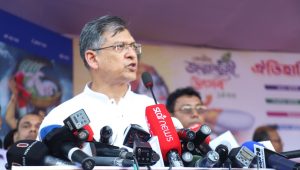
Joining a virtual event on Sunday, BNP acting chairman Tarique Rahman struck back sharply, accusing Jamaat of killings, raping women and looting.

“Those who ask us to look at Jamaat must remember their actions in 1971. They did not just kill millions; they violated our mothers and sisters. We must not forget that,” said Tarique.
His remarks triggered a surge of online activity from BNP activists attacking Jamaat — a reversal of years of silence on the issue.



Political analyst Professor Dilara Choudhury, former head of the Government and Politics Department at Jahangirnagar University, said, “This is pure power politics. Not unexpected, but ahead of the election it signals confrontation. As supporters harden into opposing blocs, clashes and violence could follow.”
She said both the sides should focus on presenting positive national visions to serve the country better.
Both sides dig in
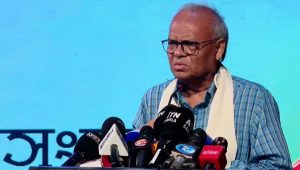
BNP leaders have previously accused Jamaat of exploiting religion during elections, but the dispute has now entered a new phase. On Monday, BNP Standing Committee member Salahuddin Ahmed criticised Jamaat at the Krishibid Institute.
“A party with no vision sells religion instead. We don’t want to trade faith like medicine. We want to deliver real policy and development plans,” he said, indicating Jamaat.
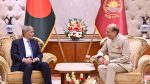
Jamaat responded within hours. After meeting ambassadors of eight countries at the EU Mission in Dhaka, Jamaat Ameer Shafiqur Rahman said, “Jamaat neither uses nor commercialises religion. Those who roam with prayer beads only before elections are the ones doing religious business. Jamaat will continue to stand against corruption.”
Meanwhile, Jamaat and its student front Islami Chhatra Shibir activists have circulated video and audio clips accusing BNP of extortion on social media. They are also sharing newspaper clippings highlighting corruption and irregularities during past BNP governments.
BNP invokes 1971; Islamists push corruption line
BNP plans to campaign on the spirit of the Liberation War, highlighting how some Islamist leaders dismissed it after the recent change of regime. The party will warn that a victory for Islamist coalitions could bring fundamentalist rule in Bangladesh.
Wishing anonymity, a political science professor at Dhaka University observed, “It was expected the July uprising would shift political power culture. Instead, the hostility between BNP and Jamaat over electoral gains mirrors the old playbook.”
A historic alliance now split
BNP Chairperson Khaleda Zia now undergoing treatment at Evercare Hospital formed a four-party alliance including Jamaat on 6 January 1999. After winning the 2001 election, two Jamaat leaders became ministers, and despite turbulence, the relationship survived until the fall of the Awami League government on 5 August 2024.
Today that alliance is finally over. With Awami League now out of the political race, BNP and Jamaat are preparing to contest the upcoming election under separate coalitions — turning old allies into direct rivals.