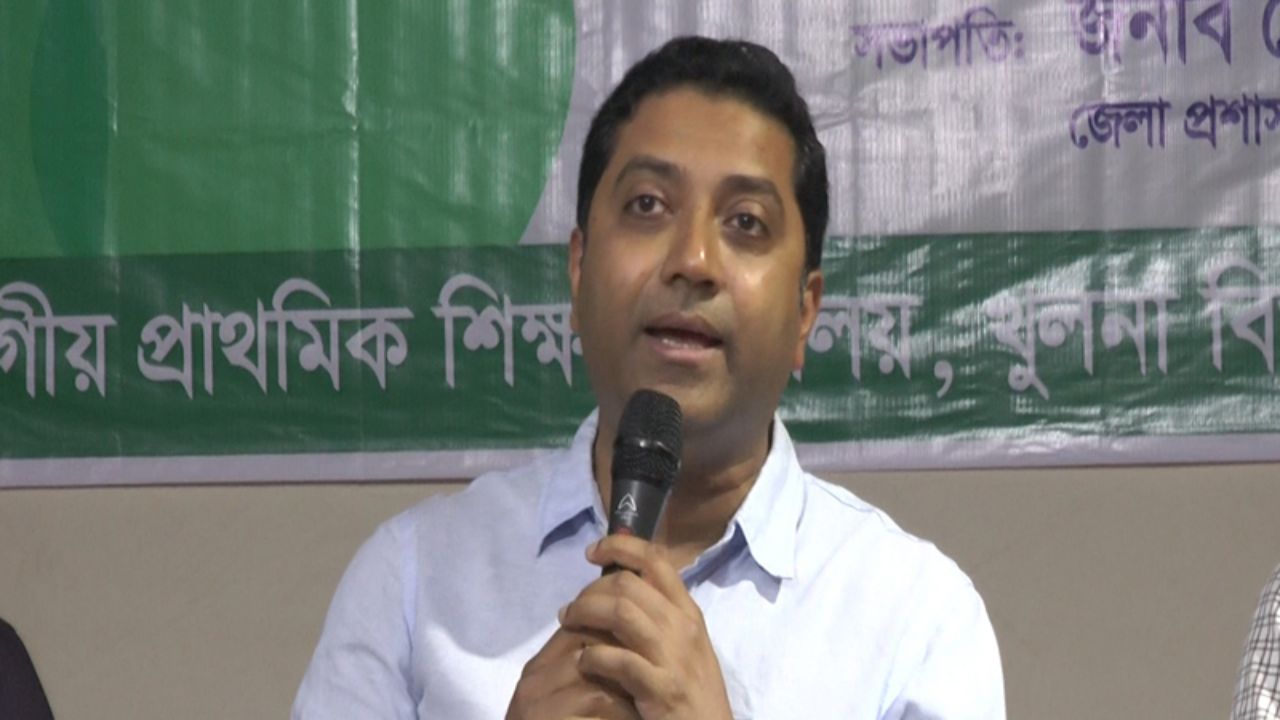
Opposition Leader Shafiqur Rahman on Wednesday called for transforming the National Parliament into a platform that reflects the aspirations of ordinary people, urging the government to ensure equitable development, curb corruption and strengthen parliamentary practices.
Speaking at the concluding sitting of the second session of the 13th Parliament, Jamaat-e-Islami Ameer Shafiqur said a more effective and disciplined parliament would help restore public confidence in democratic institutions. The session was chaired by Deputy Speaker Barrister Kayser Kamal.
Describing the current parliament as a unique institution, he said it should become a “meeting place for the oppressed” where the voices of ordinary citizens are represented.
He also urged the deputy speaker to play a stronger role in enforcing parliamentary rules and procedures.
The opposition leader expressed dissatisfaction over what he described as limited opportunities for opposition lawmakers to debate a recently passed public-interest bill.

He said meaningful participation by all members was essential for effective parliamentary oversight, warning that otherwise parliamentary proceedings would fail to serve the public interest.
Offering condolences to families of those killed in recent floods, landslides and drowning incidents, Shafiqur called for special financial assistance for affected families, particularly in Chattogram, which he said suffered the worst damage during the recent floods.

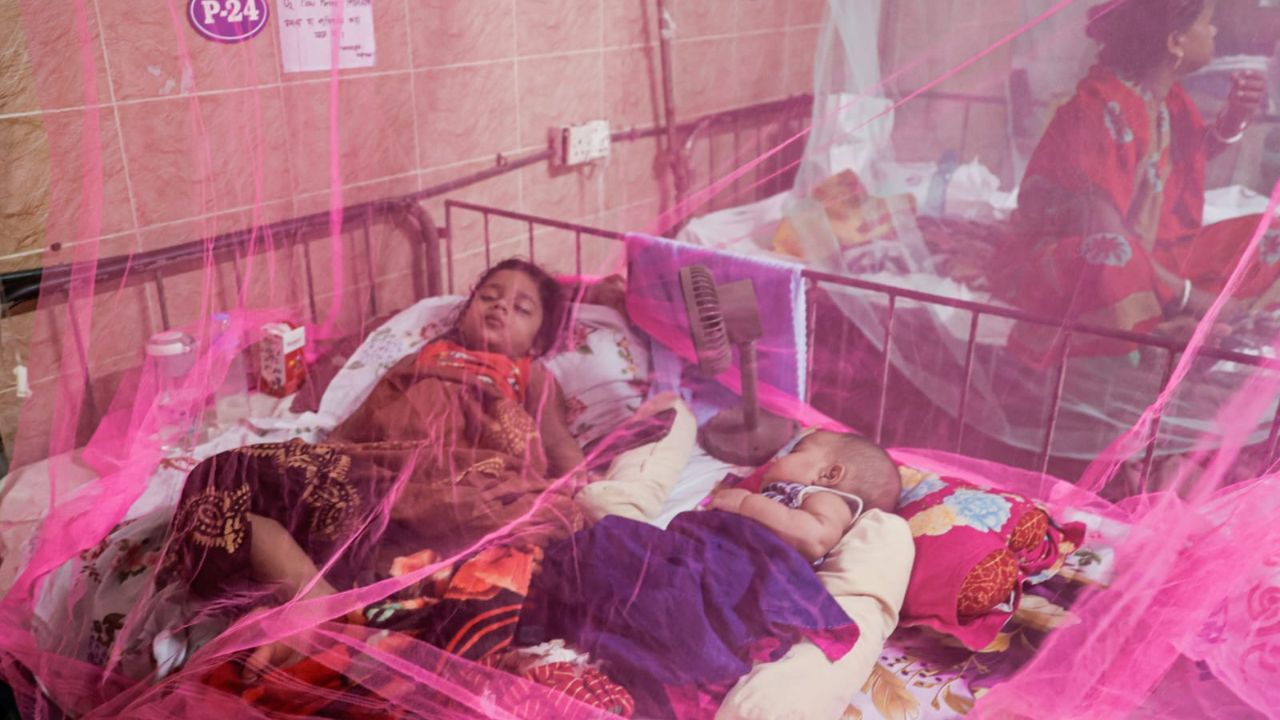


He also highlighted Dhaka’s persistent waterlogging and poor drainage system, saying even moderate rainfall leaves large parts of the capital inundated with polluted water, creating serious public health risks.
Stressing that Dhaka is the country’s gateway for foreign visitors, he urged the government to adopt a comprehensive master plan backed by adequate budgetary support to improve the city’s infrastructure.
Welcoming increased allocations for the education and health sectors, Shafiqur stressed the need to prioritise primary and higher education.
He also advocated moral and values-based education at the primary level and called for merit-based inclusion of educational institutions under the MPO scheme instead of political considerations.
The opposition leader further alleged that opposition lawmakers had been deprived of equitable access to development funds and urged the government to ensure fair distribution of resources across constituencies, regardless of political affiliation.
He criticised the longstanding practice of installing plaques bearing politicians’ names on publicly funded projects, saying it leads to unnecessary expenditure whenever governments change. Public money, he said, should not be used for personal or political promotion.
Calling corruption one of Bangladesh’s most pressing challenges, Shafiqur urged the government to take stronger action against those involved in graft and ensure strict punishment to protect public resources.
He also welcomed the government’s initiative to establish a July Memorial Museum commemorating the July uprising and called for a special incentive equivalent to one month’s basic salary for Parliament Secretariat employees in recognition of their work during the parliamentary session.