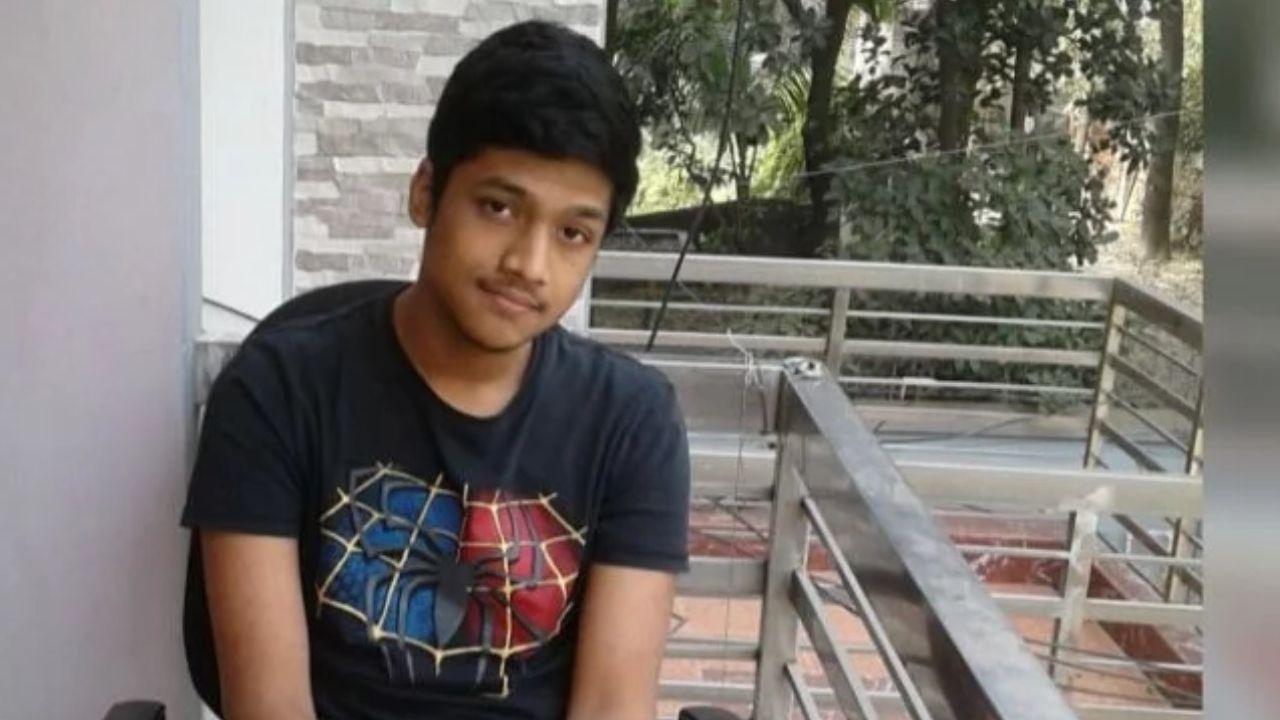
Amid widespread frustration over the judicial backlog in Bangladesh, a Dhaka tribunal on Sunday sentenced a couple to death for the rape and murder of an eight-year-old child in Pallabi, Dhaka. Lawyers have noted that this verdict represents the fastest trial in the country’s recent history.
The government has signalled its intent for a swift resolution in the higher courts, with Law Minister Md Asaduzzaman expressing hope that the execution of the verdict could be carried out within three months.
In a rare turn of events, the prosecution, the plaintiff, and even the state-appointed defence counsel expressed satisfaction with the capital punishment order.
However, the unprecedented speed of the proceedings has prompted several senior lawyers to raise concerns regarding the integrity of the judicial process. In addition to the death sentences, the court fined prime accused Sohel Rana Tk5 lakh and his wife Swapna Akter Tk2 lakh.
This compensation is to be awarded to the victim’s family. The court further directed that if the convicts are unable to pay, the amount should be recovered by selling their movable and immovable property.
‘Fastest verdict ever delivered’
The tribunal ordered the death of Sohel Rana and Swapna Akter by hanging.

Public Prosecutor Azizur Rahman Dulu said this is the quickest verdict ever delivered in a case under the Women and Children Repression Prevention Act, noting that no previous case has seen a death sentence reached so rapidly.
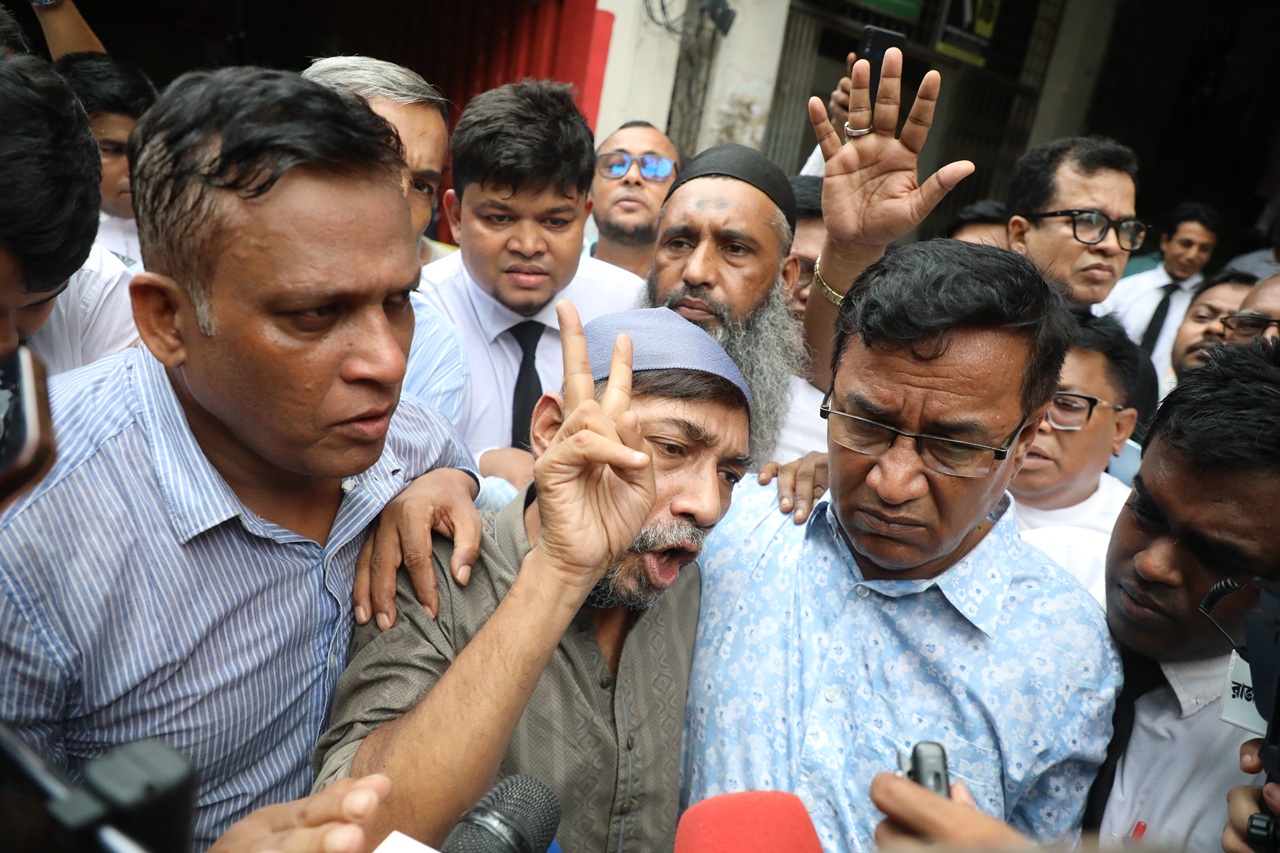
Reacting to the judgement, he described the ruling as a “milestone” for curbing such heinous crimes. Remarkably, the state-appointed defence lawyer, Musa Kalimullah, also expressed satisfaction, stating, “Justice has been served. The criminals have been judged for their crimes.”
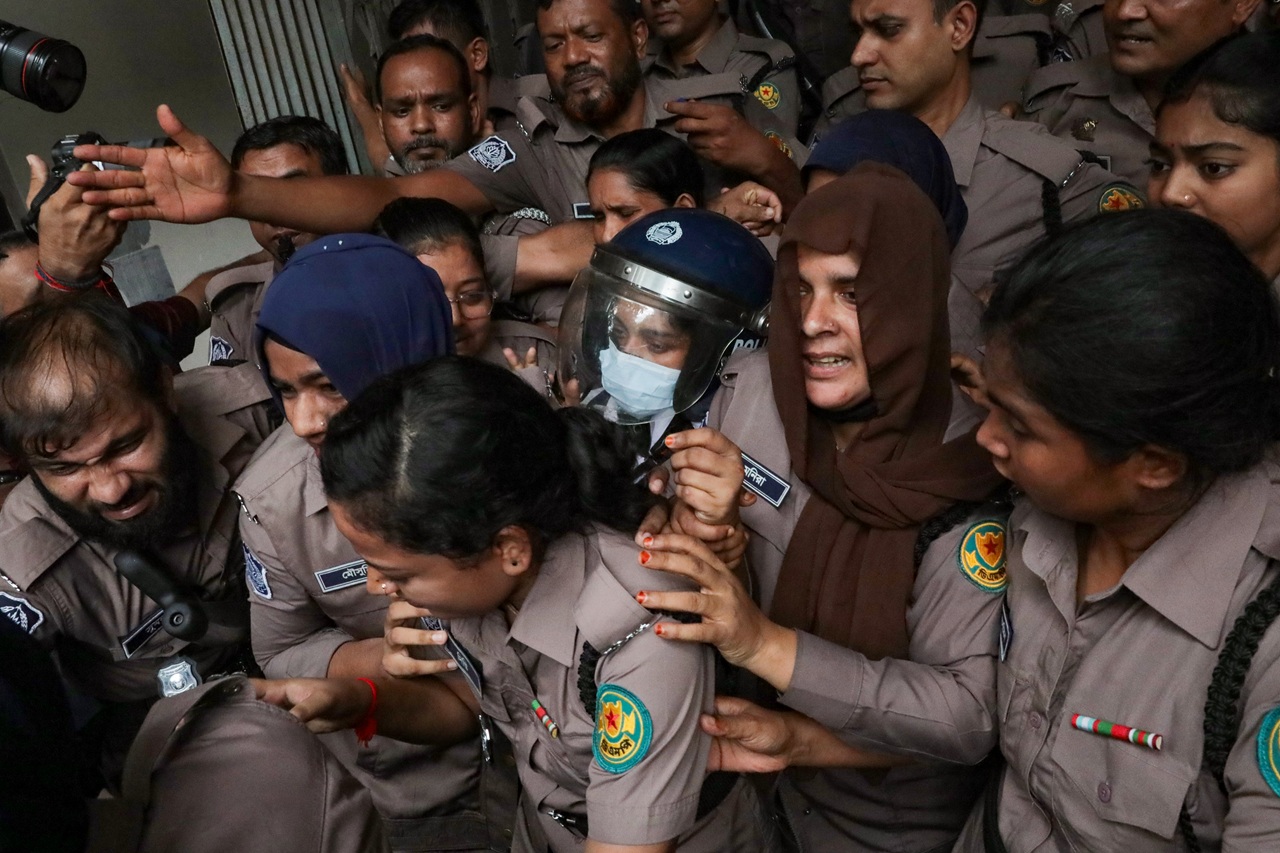
The speed was evident not only in the hearing but also in the investigation. The accused were arrested on the day of the incident; the investigation was concluded within four days, and the charge sheet was submitted to the court on the fifth day.
Judge Masrur Salekin of the Dhaka Metropolitan Child Repression Suppression Tribunal delivered the verdict at 11:40am on Sunday, just 19 days after the incident occurred on 19 May.




In his observation, the judge noted that every page of the case was “filled with pain, anger, anxiety, and the expectation of justice” following the brutal extinguishing of an innocent child’s life.
He added that the case served as a “deep and difficult test” for society’s conscience, humanity, and the rule of law. The victim’s father, who had previously expressed deep skepticism about receiving justice, stated he was now 100% optimistic that the verdict would be executed quickly.
Why was Swapna sentenced to death?
During the announcement, Swapna Akter was seen sobbing on a plastic chair in the dock, while Sohel Rana stood silently leaning against the wall. The court found both guilty based on the testimonies of 16 witnesses.
Evidence, including testimony from Dr Nasrat Jabin of Shaheed Suhrawardy Medical College Hospital and the sub-inspector who prepared the inquest report, confirmed the child was raped and murdered between 11:30am and 11:45am on 19 May.
In a confessional statement read by the judge, Sohel admitted to raping the child in the bathroom before killing her. He further confessed to attempting to hide the body by decapitating it and placing the head in a bucket when people began calling from outside.
The judge noted that after the murder, Sohel escaped by cutting a window grill.
Regarding Swapna, the judge noted that she was present in the flat and, instead of intervening or preventing the rape and murder, she actively assisted in the attempt to conceal the body. Consequently, the court ruled that she was equally culpable for the crime.
Questions raised
Despite the public satisfaction, senior Supreme Court lawyer Manzill Murshid expressed reservations, suggesting the trial was conducted with excessive haste.
He pointed out that the accused had repeatedly mentioned the involvement of another individual – a lead that neither the investigating officer nor the prosecution pursued, relying instead on the Section 164 confession.
Speaking to TIMES of Bangladesh, Morshed warned of the “Justice hurried, justice buried” proverb. “The question of discrimination has already entered people’s minds – why is one trial finished in five days while hundreds of other rape cases languish for five years?” he asked.

He cautioned that if the case reaches the Appellate Division, they will judge based strictly on the case documents rather than government desire, and there is a risk the accused could receive the “benefit of doubt” or that a retrial could be ordered due to procedural gaps.
Supreme Court lawyer Ishrat Hasan echoed these sentiments, stating that the case would remain both an “example and a question”. She emphasised that justice should not depend on a case going ‘viral’ and that all victims deserve equal treatment under the law.
‘Execution possible within three months’
Following the verdict, Law Minister Md Asaduzzaman told journalists that if all legal procedures are completed on schedule, the sentence could be executed within three months.
He added that the government is satisfied and expects the judgement to be upheld in the higher courts.
Outlining the next steps, the minister explained that the case records would be sent to the High Court for a Death Reference hearing within seven days. Subsequently, a paper book will be prepared under the supervision of the Supreme Court, leading to a final hearing and decision.