


Pakistan’s ruling party has emerged with a commanding lead in elections for the legislative assembly in Pakistan-administered Kashmir, according to results from the first two phases of voting released on Wednesday, defying weeks of unrest and a boycott campaign mounted by an outlawed political group.
Candidates aligned with the Pakistan Muslim League-N, led by twice-elected former Prime Minister Nawaz Sharif, secured 24 of the 34 seats decided so far, said Raja Shakeel, a spokesperson for the regional election commission, with turnout in the regional capital topping 56 per cent.
Shakeel said polling for the remaining 11 seats would take place on 10 August, though the ruling party already appeared well placed to form the next regional government, marking its return to power in Pakistan-administered Kashmir after a decade out of office.
The vote is being staged across three phases owing to security concerns and heavy monsoon rains, which have hampered campaigning and made it difficult to stage large outdoor gatherings, Shakeel added.

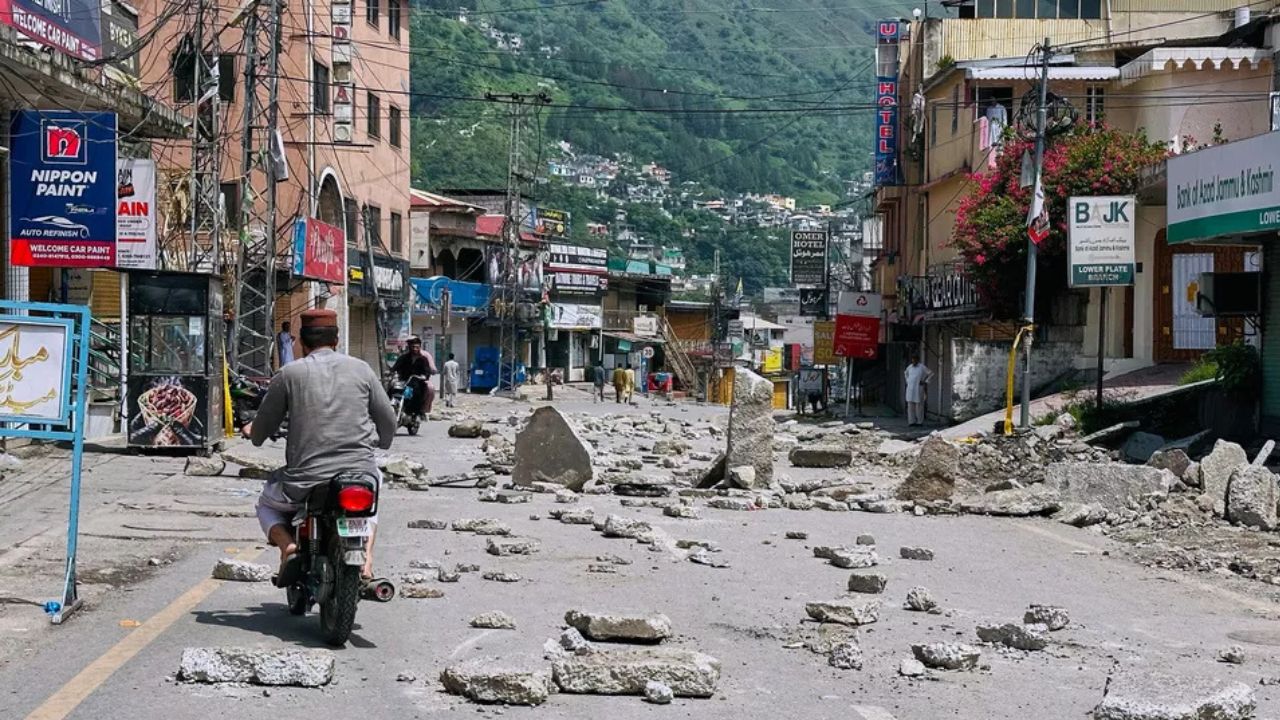
Regional government and election officials reported turnout above 50 per cent in numerous areas, including Muzaffarabad, notwithstanding security worries and calls for a boycott from the banned Joint Awami Action Committee, or JAAC, a group known for organising violent demonstrations.
Sharif issued a statement congratulating the successful candidates. Pakistan and India both administer sections of Kashmir while claiming the entire Himalayan territory, and the nuclear-armed rivals have fought two of their three wars over the region since gaining independence from Britain in 1947.



The campaign was overshadowed by weeks of JAAC-led protests urging residents to stay away from the polls. The regional government has since banned the group, citing concerns over security and public order.
JAAC supporters clashed repeatedly with police in the run-up to Sunday’s vote, though residents said they turned out to cast ballots regardless of fears of violence. Analysts said the election had bolstered public confidence in the democratic process, given the turnout despite weeks of unrest, violence and the boycott effort.
At the heart of the dispute are 12 seats reserved for people displaced from Indian-administered Kashmir since the end of British colonial rule. The JAAC contends the seats hand disproportionate political influence to those living outside Pakistan-administered Kashmir and has called for them to be scrapped.
The row deepened in June when the region’s Supreme Court ruled the seats were constitutionally protected and could not be abolished without a constitutional amendment.
The reserved seats were originally created to represent people displaced from Indian-administered Kashmir who settled elsewhere in Pakistan, as Pakistan-administered Kashmir itself lacked the capacity to accommodate them at the time.
Many have lived in Pakistan for decades, while others subsequently relocated to Pakistan-administered Kashmir. Authorities have repeatedly accused JAAC supporters of trying to disrupt the election and alleged that members of the Pakistani Taliban had infiltrated the protests, allegations the JAAC has not addressed.
Formed in 2023, the group has campaigned for greater political rights for Kashmiris. The government says it has met 36 of the JAAC’s 38 demands, maintaining that the question of reserved seats can only be settled by the regional assembly itself.