


Children are the future of the nation, society, and the world – this is not just a slogan but an undeniable truth. The development of a nation depends on the healthy, safe, and secure growth of its children. Children grow in the collective protection and love of their family, society, and state.
However, not all children are fortunate enough to have this opportunity. Poverty, broken families, drugs, and social discrimination push many children towards crime at a young age. These children are not criminals by choice but victims of their circumstances.
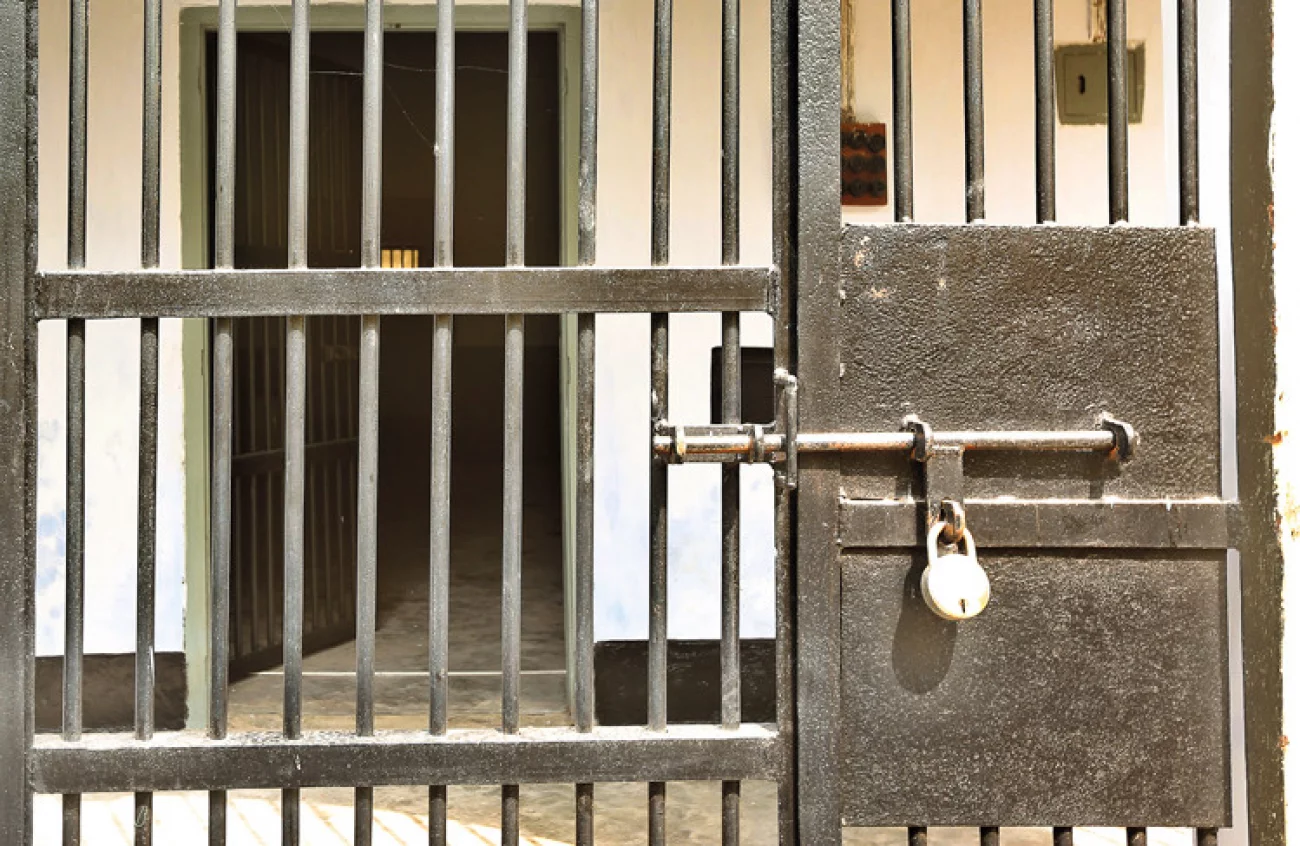
To address this reality, child development centres have been established, where children are rehabilitated and given a second chance in life through correction and reintegration, instead of punishment. However, the conditions within these centres often feel reminiscent of prison.
The Children Act of 1974 and the Children’s Rules of 1976 paved the way for child courts and rehabilitation centres. The first child development centre was established in Tongi, Gazipur, in 1978. Later, centres were set up in Jashore in 1995 for boys) and Konabari, Gazipur in 2003 for girls. The new Children Act 2013 emphasises rehabilitation over punishment in dealing with juvenile offenders.
Though the approved capacity of the Tongi boys’ child development centre is 300, around 666 children are currently housed there. Nasreen Jahan, the social services officer at the centre, said, “There are accommodation issues, washroom problems, and the children are getting skin diseases due to overcrowding. It is also difficult to provide recreational activities to everyone.”

While the number of children is high, the staff is insufficient. Only 25 out of the approved 68 staff members are present. Nasreen further explained, “Due to a lack of staff, it’s impossible to give attention to all areas. Although we have Ansar members and we are present, sometimes we find children attempting to escape.”
A similar situation is observed at the Jashore Child Development Centre, where the approved capacity is 150, but currently 304 children are housed. The centre’s Assistant Director Manjurul Hassan said, “Though the situation is tough, we try to ensure regular healthcare and mental counselling. However, with only 18 staff members, handling so many children every day is extremely challenging.”
In contrast, the Konabari (girls) Child Development Centre shows a different picture, where the approved capacity is 150, but only 68 children are currently housed. Most of the children are accused of crimes such as theft, robbery, drug abuse, kidnapping, or child and women abuse, but many have broken families, bad company, and social neglect as the root causes of their offences.



Nasreen Jahan pointed out, “Most children come from broken families. Divorce, drugs, or bad company lead them to crime. Parent counselling is essential.”
At the Tongi Child Development Centre, guardians are counselled to either re-enrol their children in school or help them set up a business. This is because many children have unknowingly engaged in crime and need a fresh opportunity.
Some training programmes are also available at these centres, such as computer skills, electrical work, tailoring, automobile servicing, and woodworking. These aim to make the children employable. However, there is no separate budget for rehabilitation programmes. UNICEF provided assistance during the pandemic, but that support has now ended. As a result, children from poor families are at risk of returning to their old lives.
The centres face a shortage of space, accommodation, and training facilities. Imran Khan, the assistant director of the Tongi Child Development Centre, said, “Infrastructure development is necessary. A child needs at least 50 square feet of space to stay, but here, there is not even 20 square feet. We lack sleeping, training, and educational spaces.”
Moreover, the budget for these centres is limited, with only Tk 5,000 allocated per child, which is insufficient for education, healthcare, and food. Nasreen said, “If the money is used properly, the children would not face problems. If the budget is increased, the quality of food and training could improve.”
The legal framework also has significant gaps. According to the Bangladesh Children Act of 2013, there is no provision for remanding children. Section 46 of the law clearly states that a child’s statement can only be recorded in the presence of a guardian, social worker, or probation officer. However, in practice, children are still remanded by the courts almost every week.
An officer (on condition of anonymity) from the Child Development Centre stated, “We get such cases every week, yet there is no provision for remand under the Children Act. Judges use a High Court observation to grant remand, which is a direct violation of children’s rights.”
He further explained, “The law was passed in 2013, but the rules are yet to be made. As a result, judges are creating inconsistencies. The absence of the child’s age in the warrant and mistakes in the bail process are ongoing issues affecting children.”
The lack of post-release monitoring is another major problem. Probation officer Shakil Mahmood said, “When a child is released on bail and goes home, there is no follow-up. We don’t know whether the child is following a good path or getting involved in crime again.”
Although the centres are called “development centres,” the reality is often similar to that of a prison. The internal infrastructure, training, education, and healthcare facilities are inadequate. Imran of Tongi Child Development Centre said, “Although it is called a development centre, in reality, it hasn’t been developed in terms of internal environment, training, education, or healthcare. The name ‘development’ has been given, but inside, the environment is still like a prison.”
He added, “This is a form of hypocrisy. Due to a lack of space, the children’s training programmes are limited. The lack of psychosocial counsellors or child protection social workers also impacts rehabilitation efforts.”
For successful rehabilitation and social integration of children, a coordinated effort from the government, private institutions, and society is crucial. If adequate budget, expert personnel, infrastructure development, and monitoring systems are ensured, the rehabilitation of children can be made effective. Child Development Centres should not be places for punishment but should serve as the starting point for a new life. Without acknowledging this reality, not only children’s rights but also the future of society will be at risk.