



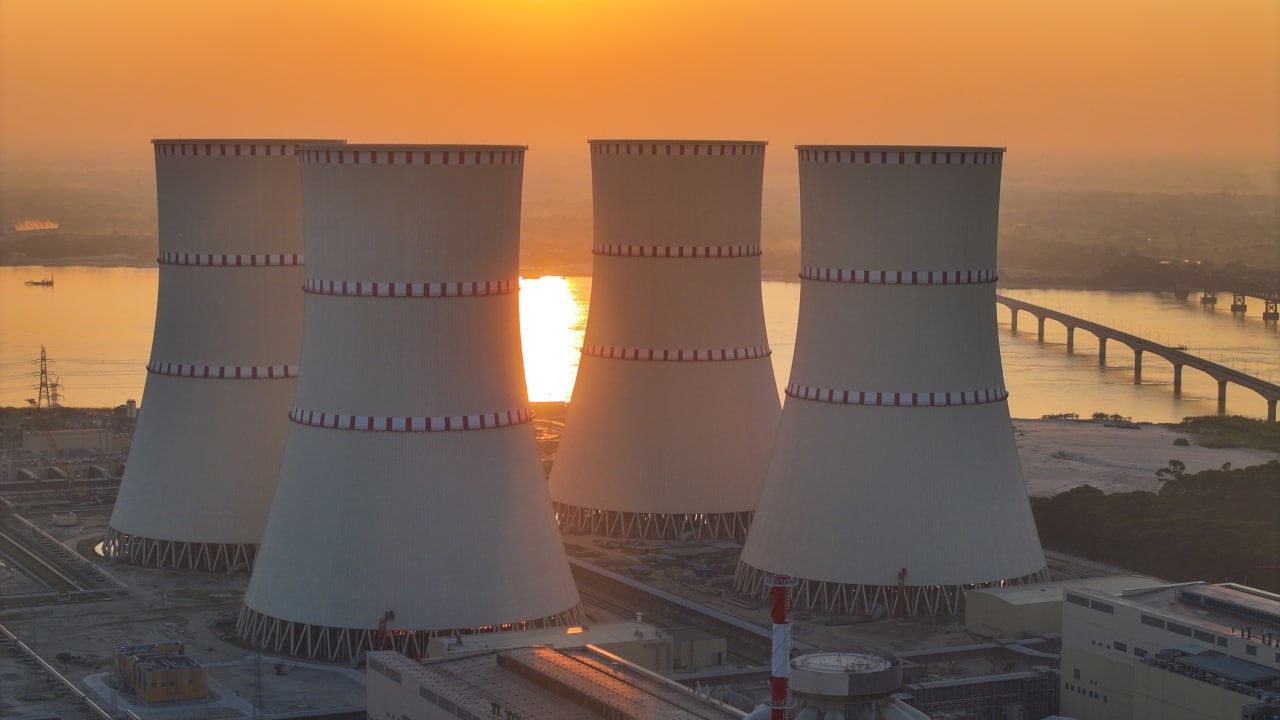
The country has taken a decisive step into the nuclear energy age, as uranium fuel loading has officially begun at the Rooppur nuclear power plant in Pabna.
The milestone marks the country’s entry into an exclusive group of nations harnessing nuclear technology for electricity generation, with grid connection expected within the next four months.
Fuel loading commenced shortly after 3:00 pm on Tuesday, signalling Bangladesh’s emergence as the world’s 33rd nuclear power-producing country.
The process involves placing 163 fuel assemblies into the reactor core using specialised loading machines, under the supervision of Russian experts. Notably, the operation is being carried out by trained Bangladeshi operators and fuel handlers, reflecting growing domestic technical capacity.
A carefully sequenced start-up process
Following fuel loading, the plant will undergo several critical stages, including physical start-up, low-power testing, grid synchronisation, and eventual full-capacity electricity generation. Each phase is subject to stringent safety protocols.
Officials explained that once the uranium fuel is inserted into the reactor vessel, it will generate heat through nuclear fission. This heat will convert water into steam, driving turbines to produce electricity.
The entire fuel loading process is expected to take approximately 45 days. After initial testing phases, authorities anticipate supplying at least 300 megawatts of electricity to the national grid within three and a half months.
The first unit is expected to reach full capacity—1,200 megawatts—by the end of this year or early next year, according to Science and Technology Secretary Md Anwar Hossain.

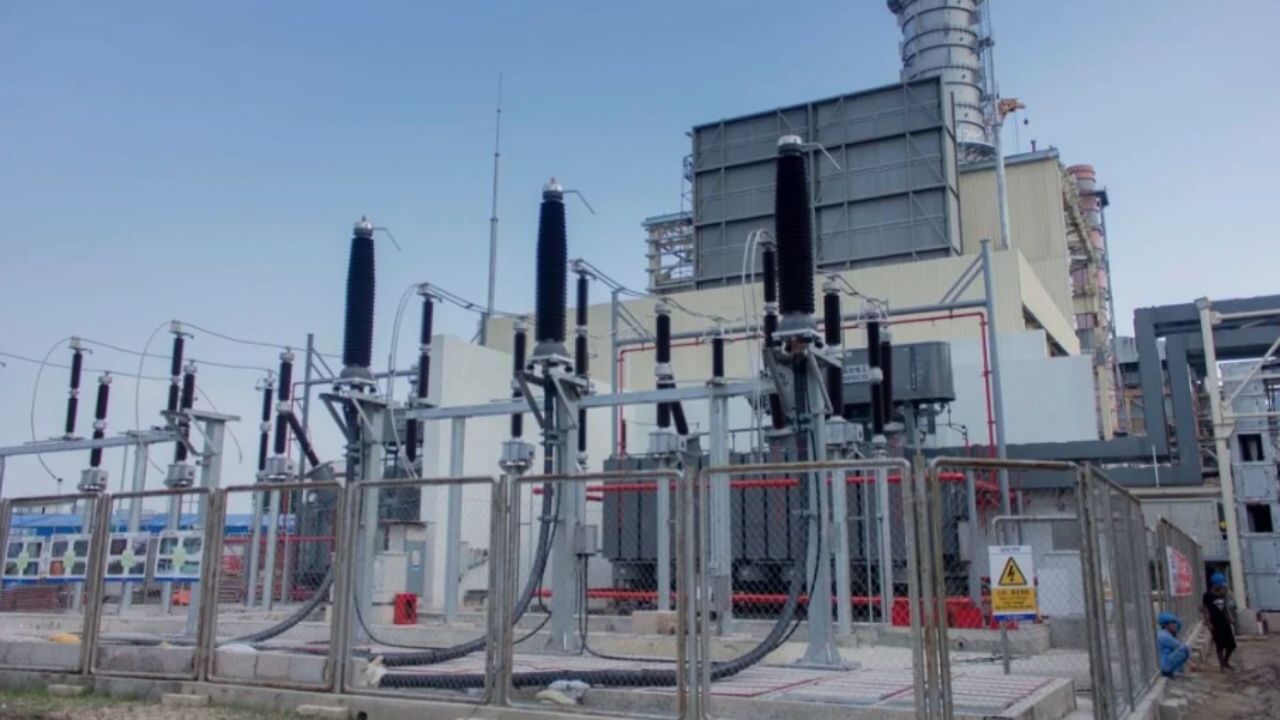
Power Grid Company of Bangladesh has confirmed that the necessary transmission infrastructure is already in place.
Once both units are operational, the plant will generate a combined 2,400 megawatts of electricity—enough to meet more than 10% of the country’s total demand.
‘A historic moment’
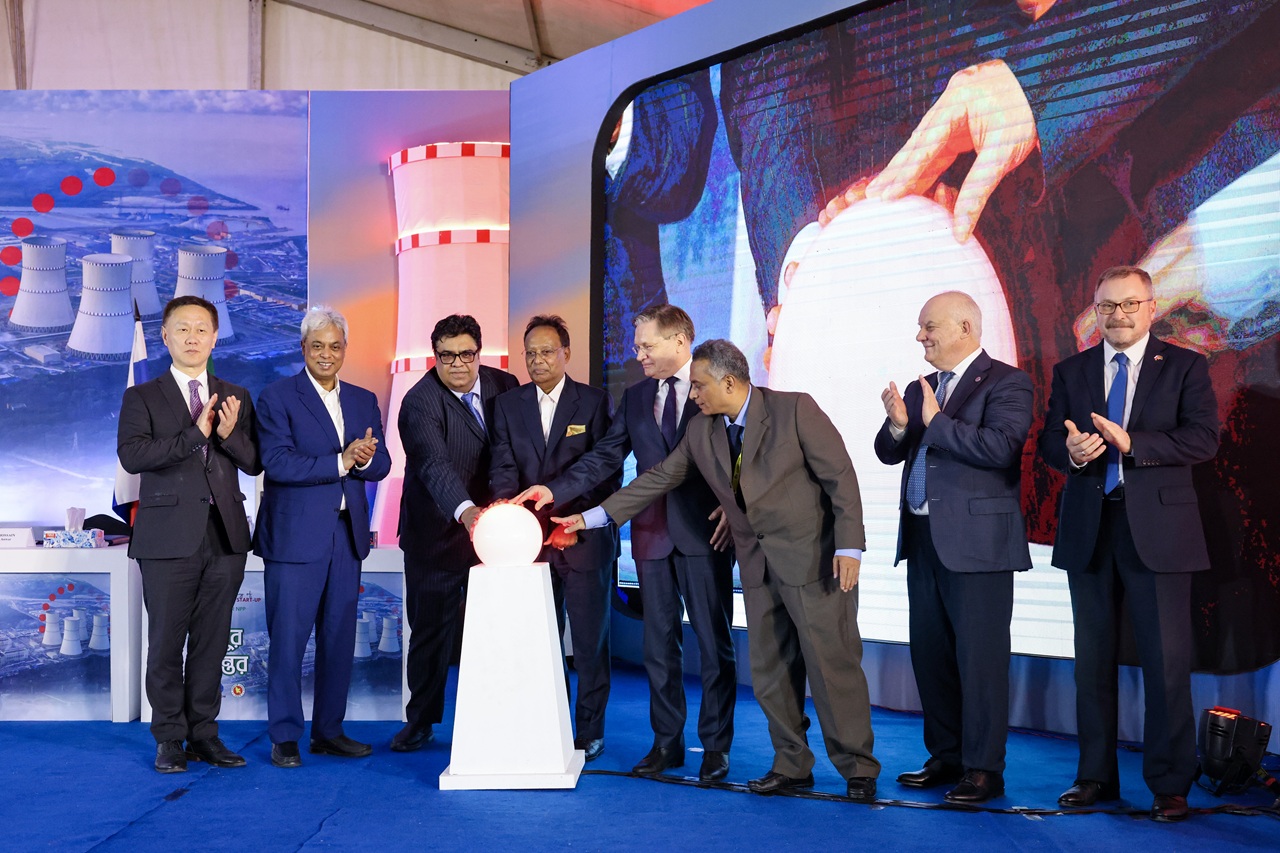
Inaugurating the fuel loading process, Science and Technology Minister Faqir Mahbub Anam described the occasion as “a historic moment” for the nation.
“This is not merely a power project,” he said. “It symbolises our self-reliance, technological capability, and commitment to sustainable development for future generations.”
He emphasised that all procedures have been conducted in strict compliance with International Atomic Energy Agency standards, ensuring the highest levels of safety.
Rooppur plant managing director Zahidul Hasan noted that Bangladesh would remain reliant on Russian expertise for the first few years. However, full operational independence is expected within three to five years.



A project decades in the making
The idea of establishing a nuclear power plant at Rooppur dates back to the early 1960s, during the Pakistan era. However, it took more than five decades for the plan to materialise.
Significant progress began in 2009 under the Awami League government led by Sheikh Hasina. A formal agreement was reached during her visit to Russia in 2013, followed by a contract signed on 25 December 2015 between the Bangladesh Atomic Energy Commission and Atomstroyexport, a subsidiary of Russia’s state-owned nuclear corporation Rosatom.

With an estimated cost of $12.65 billion, the Rooppur project is the largest development initiative in the country’s history. Russia is financing 90% of the project as a loan, repayable over 28 years with a 10-year grace period.
Construction formally began in October 2017, with major structural work on the first unit starting in November of that year. The second unit followed in July 2018.
Originally, the first unit was expected to connect to the grid by mid-2023, with the second unit coming online a year later.
However, delays caused by the Covid-19 pandemic and the war in Ukraine pushed back the timeline, with fuel loading itself taking nearly nine years to reach completion.
Advanced Russian technology and safety measures
The Rooppur plant employs Russia’s advanced VVER-1200 Generation III+ reactor technology, which incorporates enhanced safety features.
One of the key innovations is the passive safety system, designed to automatically shut down the reactor safely without human intervention or external power in the event of an emergency.
Built on the IAEA’s “defence-in-depth” principle, the reactor is equipped with over 700 automatic interlocks that continuously monitor operations.
Lessons from past nuclear disasters, including Chernobyl and Fukushima, have been integrated into the design. The plant includes double containment structures, a core catcher to contain molten fuel, and hydrogen recombiners to prevent explosions.
Despite Bangladesh’s vulnerability to earthquakes, the facility has been engineered to withstand seismic activity, cyclones, and flooding. Engineers addressed the challenge of soft riverbank soil by creating a semi-rock foundation using high-pressure cement injection.
Cybersecurity measures have also been incorporated to protect the plant from digital threats.
Fuel, waste, and long-term sustainability
The nuclear fuel used at Rooppur consists of uranium dioxide pellets, each weighing between 4.5 and 5 grams. Throughout the loading process, strict protocols ensure the reactor remains in a sub-critical state, with continuous neutron monitoring.
Under the agreement, radioactive waste will initially be stored securely on-site before being transported back to Russia in specialised containers for reprocessing.

Rosatom Director General Alexey Likhachev stated that Bangladesh has now joined the global community of nations using nuclear technology for peaceful purposes. He also suggested that the plant’s operational lifespan could extend up to 100 years.
Work on the second unit is progressing rapidly, with start-up activities expected to begin next year.
Building local expertise
Beyond electricity generation, the project aims to develop a skilled workforce in nuclear science and engineering.
More than 900 Bangladeshi students have already received advanced training in Russia under Rosatom scholarships, with plans to train over 1,100 specialists.
A shift in energy security
The Rooppur plant is expected to play a critical role in energy security of the country by providing uninterrupted baseload power.
Unlike gas, oil, or imported coal, nuclear energy is less vulnerable to global market fluctuations.
Long-term uranium supply agreements have already been secured, ensuring stability in fuel availability.
Senior officials from Bangladesh and Russia, along with International Atomic Energy Agency Director General Rafael Mariano Grossi, were present at the inauguration ceremony.