The world is on course to experience record-breaking heat over the next five years, with global temperatures expected to repeatedly exceed a critical climate threshold, according to new projections from the United Nations.
The World Meteorological Organization (WMO) has said there is a 75 per cent probability that average global temperatures between 2026 and 2030 will rise above 1.5°C compared with pre-industrial levels. The limit was set under the 2015 Paris Agreement as a benchmark to avoid the most severe impacts of climate change, reports AP/UNB.i
Scientists caution that even a marginal overshoot could trigger serious consequences, including the loss of vulnerable ecosystems such as coral reefs and glaciers, alongside heightened risks to human life.
The report also forecasts accelerated warming in the Arctic, which could warm by around 1.66°C by 2030, significantly faster than the global average. At the same time, the Amazon basin is expected to become hotter and drier, increasing the likelihood of droughts and wildfires.

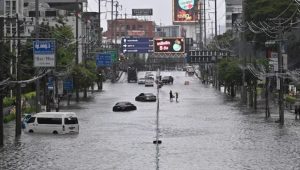
Experts say continued reliance on fossil fuels such as coal, oil and gas is driving the rise in global temperatures, fuelling more frequent and intense extreme weather events, including floods, heatwaves and prolonged droughts.
Climate scientist Friederike Otto warned that even a single year above the 1.5°C threshold could bring extreme conditions beyond societal readiness. “We could see deadly heat, food shortages and more intense wildfires,” she said.
Short-term forecasts also indicate a likely strong El Niño event, a natural climate pattern in the Pacific Ocean that can further elevate global temperatures. As a result, 2027 could surpass 2024 as the hottest year on record.



If current trends continue, global warming could accelerate to around 0.25°C per decade, compared with a previous rate of about 0.2°C.
Arctic warming at alarming pace
The Arctic is projected to warm around 3.5 times faster than the global average due to shrinking ice and snow cover. As reflective ice melts, more heat is absorbed, intensifying the warming cycle.
The WMO estimates that Arctic winters in the coming years will be markedly warmer than in recent decades, while summer sea ice will continue to decline.
Amazon faces escalating risks
The Amazon basin is also expected to grow hotter and drier, raising the risk of wildfires and threatening water supplies for millions. Scientists warn the region could shift from a carbon sink to a carbon source, further accelerating climate change.
In contrast, parts of Africa’s Sahel region may experience heavier rainfall than usual, increasing the risk of flooding.
Global response falling short
UN officials have warned that current global efforts to curb climate change remain insufficient to slow rising temperatures.
“Global heating is still increasing faster than efforts to control it,” said UN climate chief Simon Stiell, pointing to extreme heat across regions such as Europe and India as evidence of mounting human and economic costs.
“From heatwaves and floods to wildfires and food shortages, every country is already facing serious impacts from climate change,” he added.