


Dr. Pamelia Riviere
Donald Trump has recently introduced an ambitious and detailed 20-point peace plan aimed specifically at addressing the prolonged and complex conflict in Gaza. A diverse array of Arab and Muslim nations, such as Saudi Arabia, Pakistan, Turkey, Indonesia, Egypt, and Qatar, have expressed their support for the U.S.-backed initiative. However, Qatar, which has been playing a crucial role as a mediator between Israel and Hamas, has indicated that further negotiations are essential to reach a conclusive agreement.
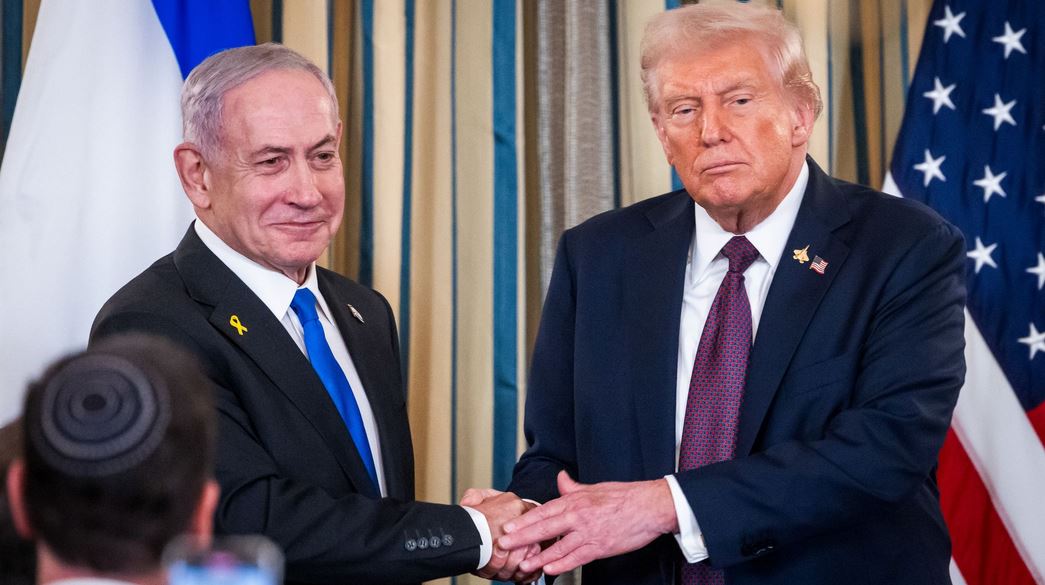
Following a strategic meeting with Israeli Prime Minister Benjamin Netanyahu, who has publicly endorsed the proposal, Trump articulated his vision of transforming Gaza into a terror-free and modernised community, reminiscent of the opulence found in Dubai, yet more accessible. The plan is anchored by five pivotal promises, each designed to foster stability and progress.
Notably, the plan stresses that residents will not be forced to leave Gaza; instead, they will be encouraged to stay and take advantage of the new possibilities that this strategic initiative aims to offer. This comprehensive and multifaceted approach underscores Trump’s aspiration not only to end the cycle of violence but also to lay a solid foundation for a brighter, more stable future in the region. As Palestinian analysts observe, Gazans may not afford to dismiss Trump’s peace plan, highlighting the urgent need for resolution.
Why does the future of Palestinians look grim?

Does President Trump’s ceasefire proposal acknowledge the long-held aspirations for a Palestinian state and offer a viable pathway toward Palestinian self-determination and statehood? The answer is ‘No’. Qatar’s prime minister has expressed that several elements of Trump’s plan for Gaza demand further clarification and negotiation. Nevertheless, he remains hopeful that all parties will approach the plan constructively and seize this critical opportunity to bring an end to the ongoing conflict.
Palestinians in Gaza have voiced significant concerns about the proposal, particularly regarding the nature and role of a suggested international stabilization force for the territory. Meanwhile, Hamas’s negotiating team is currently reviewing Trump’s 20-point plan aimed at resolving Israel’s conflict in Gaza. It is essential to note that the plan remains in flux, with Hamas being given time to provide feedback and request changes. As this ceasefire proposal unfolds, Israeli forces have continued to escalate their attacks on Gaza.




President Donald Trump characterised the announcement of his administration’s 20-point plan as “potentially one of the great days ever in civilisation.” In statements made alongside Netanyahu, Trump proclaimed, “We are beyond very close,” signalling a sense of optimism. However, CNN has questioned the substance of the plan, pointing out that such hyperbolic rhetoric is characteristic of the US president. The crucial question remains: are these statements rooted in attainable expectations? Netanyahu’s response has been somewhat ambiguous. At the same time, he indicated his support for the proposal, but he clarified that Israel has not yet officially accepted the plan, as it requires a formal vote in the cabinet. As part of the potential agreement, Hamas members may be granted amnesty if they commit to peaceful coexistence and disarmament.
The proposed plan outlines a gradual withdrawal of Israeli forces from Gaza, allowing for a temporary International Stabilisation Force (ISF) led by Arab allies to take over security in the war-torn region. In the interim, a Palestinian committee, to be guided by an international entity referred to as the “Board of Peace,” will oversee the administration of Gaza until a reformed and capable Palestinian Authority can assume complete control. Significantly, the plan encroaches upon several of Hamas’ previously established red lines, particularly the disarmament of the group and its exclusion from future governance in Gaza.
The proposal mandates the complete dismantling of all of Hamas’ military infrastructure, both visible and concealed, under the vigilance of independent monitors, with a stipulation that it will not be reconstructed. As former Israel Defence Forces (IDF) intelligence chief Tamir Hayman and Ofer Guterman, a senior researcher at the Institute for National Security Studies (INSS) in Tel Aviv, assert, this plan seems to corner Hamas into an existential dilemma.
CNN highlights the potential implications of Hamas’s rejection of the plan for Israeli Prime Minister Netanyahu. In such a scenario, the pathway becomes stark and direct, Israel would likely persist in the military operations it is already engaged in. Netanyahu’s far-right allies are expected to maintain their support for his war efforts, ensuring the stability of his government.
Conversely, a rejection from Hamas would complicate Netanyahu’s situation significantly. While there is robust domestic support for concluding the war and returning hostages, this backing does not extend to the far-right lawmakers whose votes are crucial for the prime minister’s political survival. If the proposal is accepted and the hostilities cease, those far-right members might leave his coalition, jeopardising his position. Notably, while opposition parties support a comprehensive ceasefire, this alignment places Netanyahu’s fate in the hands of his political rivals.
The Proposal is fake and half-baked
In an interview with Judge Napolitano on September 29, 2025, Professor Jeffrey Sachs expressed his concerns regarding the ceasefire plan, describing it as an agreement primarily between the United States and Israel rather than a genuine negotiation involving Hamas or other adversaries. He characterised the plan as a tactic to entrap Hamas without offering them a viable alternative, suggesting that if they do not comply, President Trump would back Israeli Prime Minister Netanyahu’s aggressive military actions in Gaza. Sachs argued that an absolute path to peace would involve the establishment of a Palestinian state alongside Israel, which would eliminate the military threat posed by Hamas.
He criticised the current U.S. approach as one that does not seek such resolution, instead demanding Hamas’s total surrender while leaving political solutions vague. Sachs pointed out that Netanyahu has firmly stated there will be no Palestinian state, which reflects Israel’s position on the matter. The agreement being discussed, according to Sachs, lacks clarity and substance, resembling a plan that offers Israel control over Gaza while merely hinting at future political considerations. He noted the absence of Hamas in the discussions, emphasising that there were no authentic negotiations involved, as Israel had even attempted to eliminate Hamas negotiators.
Diana Buttu, a Palestinian human rights attorney, expressed her concerns during an interview with Democracy Now! She described the plan as “certainly not a solution that will end the genocide,” suggesting that it appears to be a rebranding of ongoing issues rather than a genuine resolution. She questioned the rationale behind forcing Palestinians to negotiate an end to their circumstances, describing the involvement of the U.S. and Israeli parties—who she claims have contributed to the crisis—as problematic. Buttu emphasised that allowing these parties to determine the future for the affected population may lead to disastrous outcomes, questioning why the international community has permitted this situation to persist.
The Palestinian people have a deep-rooted aspiration for statehood, yearning for their own independent nation. This desire is fundamental to their identity and struggles. However, as Netanyahu has expressed, there will not be a Palestinian State. It raises a challenging question: how can one accept a proposed plan while simultaneously disregarding the very essence of what the Palestinian people’s struggle has been centered around?
The writer is a freelancer and analyst