For a generation of Bangladeshis, most television sets were tuned to just one channel, yet somehow Mustafa Monwar, an artist, puppeteer and storyteller, always knew exactly how to bring the whole family together.
As the familiar tune floated through the living room, conversations paused. Children hurried closer to the screen, settling cross-legged on the cool floor before anyone could call them away. Then, almost like old friends stepping into the house, came Parul with her endless curiosity, Baul Bhai with his songs, Shar Bhai with his playful mischief, and a gentle, smiling man who could turn a few strokes of a pencil into birds, flowers and dreams. That gentle, smiling man was Mustafa Monwar.
Back then, nobody wondered how those puppets came alive. Nobody thought about the hands pulling the strings or the mind creating every character. They simply became part of growing up. They made children laugh after school, think without realising they were learning and believe that kindness, imagination and hope always had a place in the world.
Decades passed. Television changed. Childhood changed. But those afternoons never really faded.
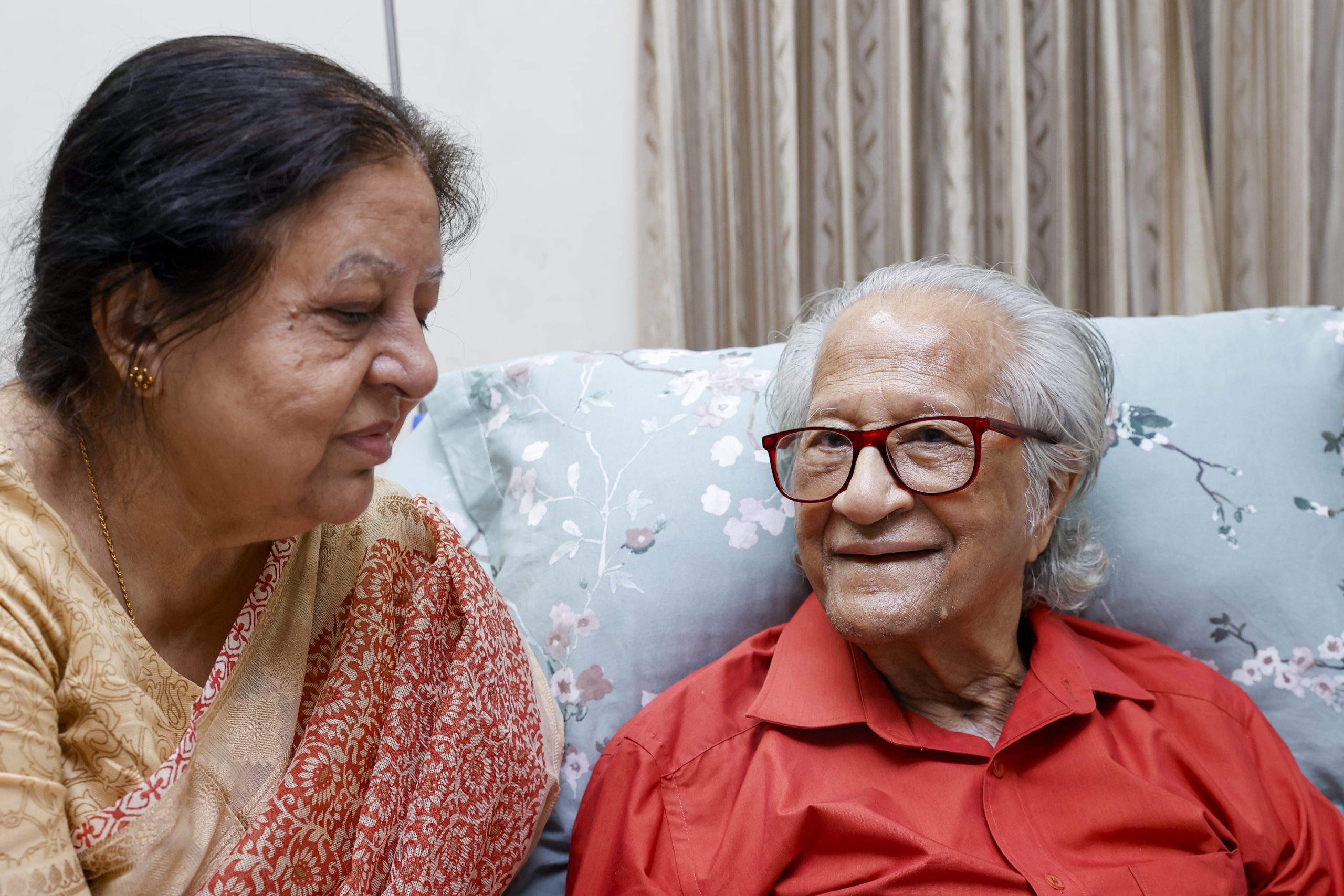
When the curtain finally fell on Mustafa Monwar’s extraordinary life on 29 June 2026, Bangladesh did not merely lose a celebrated artist. It lost the gentle hand that taught generations of children to dream, draw and believe imagination could be as powerful as any textbook. Some artists leave behind paintings. Mustafa Monwar left behind memories that still smile, sing and speak through the countless lives he inspired.
For millions of Bangladeshis, childhood had a familiar face. It smiled through Parul, sang with Baul Bhai, laughed alongside Shar Bhai and quietly encouraged children to pick up a pencil instead of fear. Long before children’s entertainment became colourful and digital, Mustafa Monwar had already built a world where stories carried values, puppets became teachers and creativity became a language everyone could understand.
Monwar died on Monday morning at Square Hospital in Dhaka while undergoing treatment for pneumonia. He was 90. Admitted on 14 June, he was later shifted to the intensive care unit as his condition deteriorated. News of his death spread quickly, drawing tributes from students, colleagues and admirers who knew they were bidding farewell to one of the architects of Bangladesh’s modern cultural identity.

A childhood shaped by art
Born on 1 September 1935 in Nakol village of Magura, then part of British India, with ancestral roots in Manoharpur village of Jhenaidah’s Shailkupa upazila, Mustafa Monwar grew up in a family where literature and art were woven into everyday life. The youngest of six children, he inherited a rich cultural legacy from his father, renowned poet Golam Mustafa, while his mother, Jamila Khatun, nurtured the warmth that would later define much of his work.
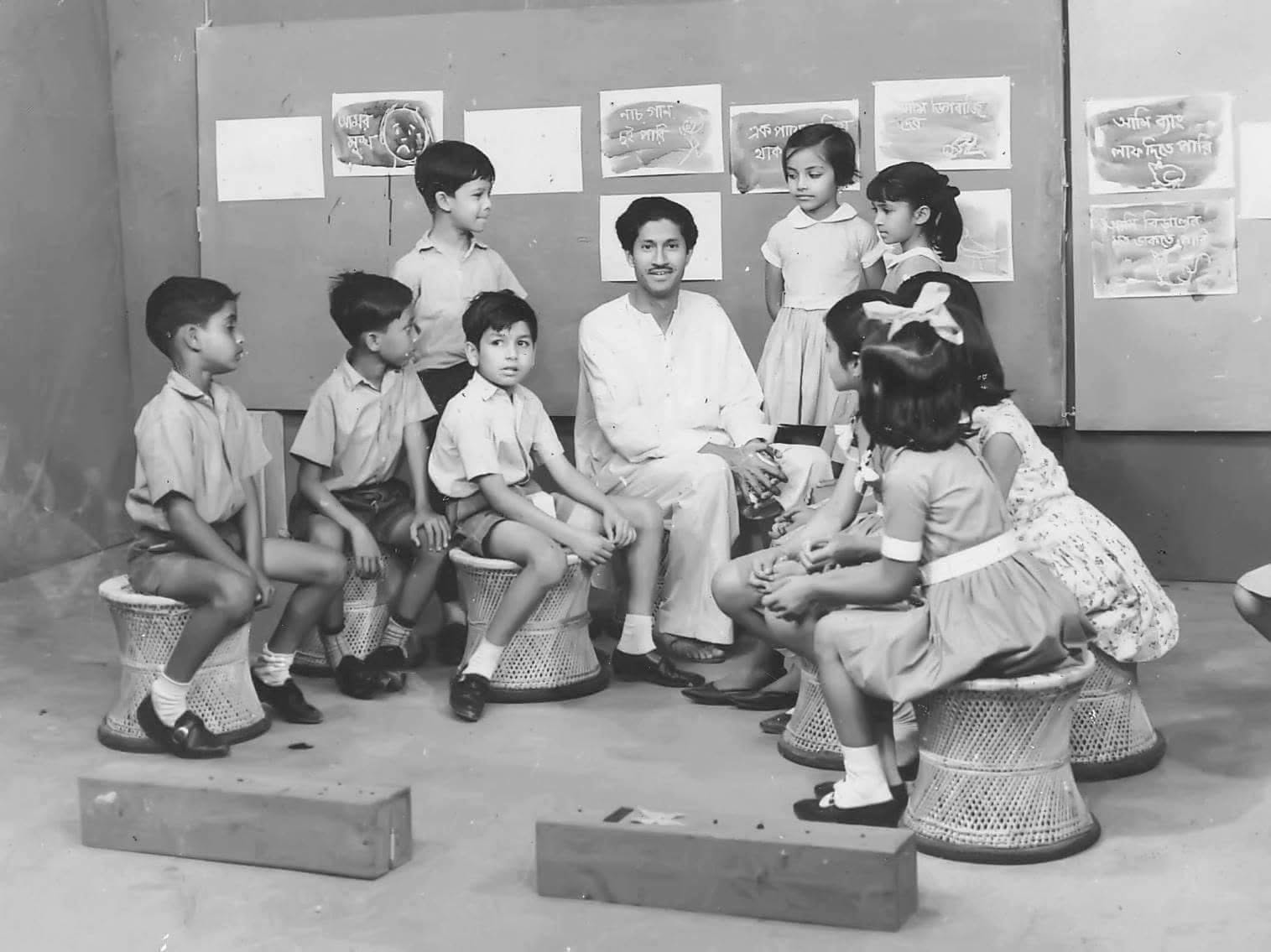
His path to becoming an artist was anything but ordinary. After studying at Narayanganj Government School and Dhaka Collegiate School, he initially enrolled in science at Scottish Church College in Kolkata. But colour kept calling him elsewhere. On the advice of celebrated writer Syed Mujtaba Ali, he left science behind and joined the Government College of Art and Craft in Kolkata, graduating first in his class in 1959.
While studying in India, Monwar discovered the fascinating world of puppetry. What began as curiosity soon became a lifelong mission. Returning home, he did not simply introduce a new art form; he reimagined it. Drawing inspiration from Bengal’s folk traditions, he turned puppetry into a modern educational and cultural medium that entertained while gently teaching kindness, creativity and social values.



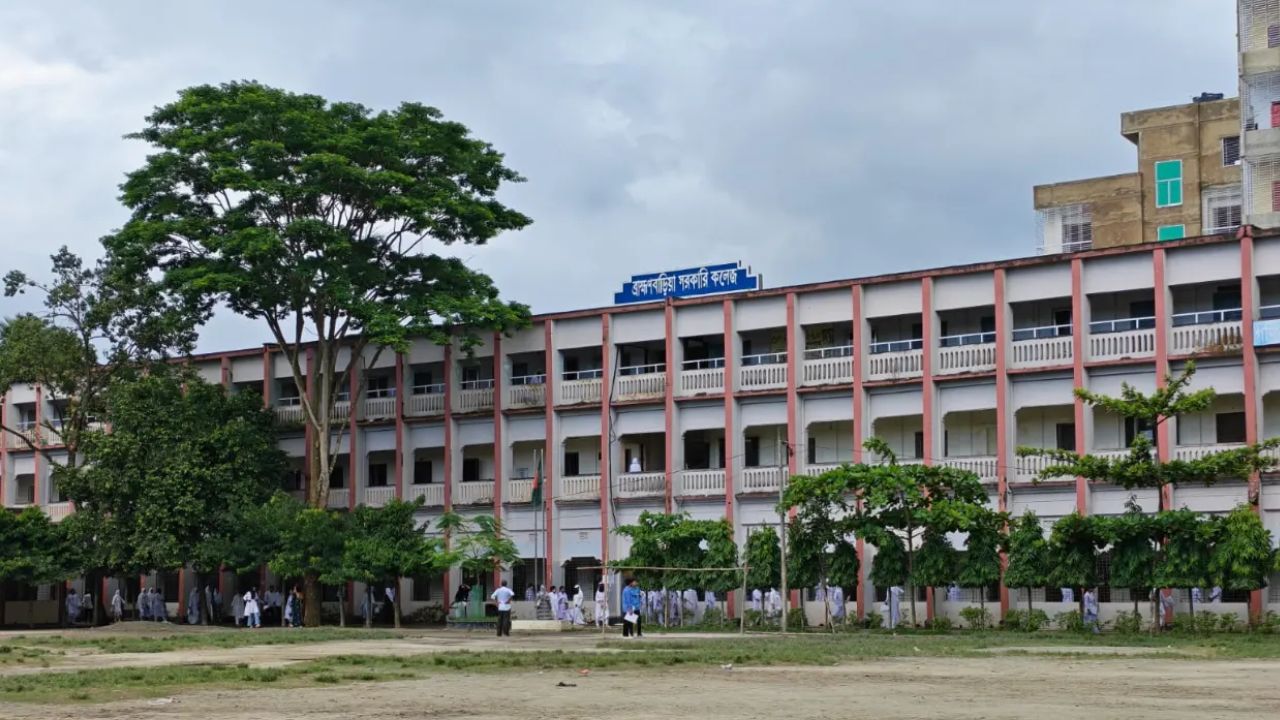
His greatest creations were never made of wood or cloth alone. They carried emotions. Characters like Parul became household names, speaking directly to children about empathy, friendship and hope. Through the iconic television programme Moner Kotha, Monwar transformed Bangladesh Television into a classroom without walls, where learning felt like play and imagination became the lesson itself.
The puppets that became family
Although Monwar began experimenting with puppetry on Bangladesh Television in the 1960s through programmes such as Chotoder Ashor, it was Moner Kotha that cemented his place in the hearts of millions. Running for almost 12 years, the beloved puppet series drew inspiration from the folk tale Saat Bhai Champa, centring on Parul and her seven brothers while weaving together folklore, humour and gentle life lessons. Although the programme first took shape decades earlier, it was the children of the 1980s and 1990s who truly made Moner Kotha part of Bangladesh’s collective memory. It became an evening ritual, a familiar voice after school and, for many, their first introduction to storytelling, art and the values of compassion, honesty and curiosity.
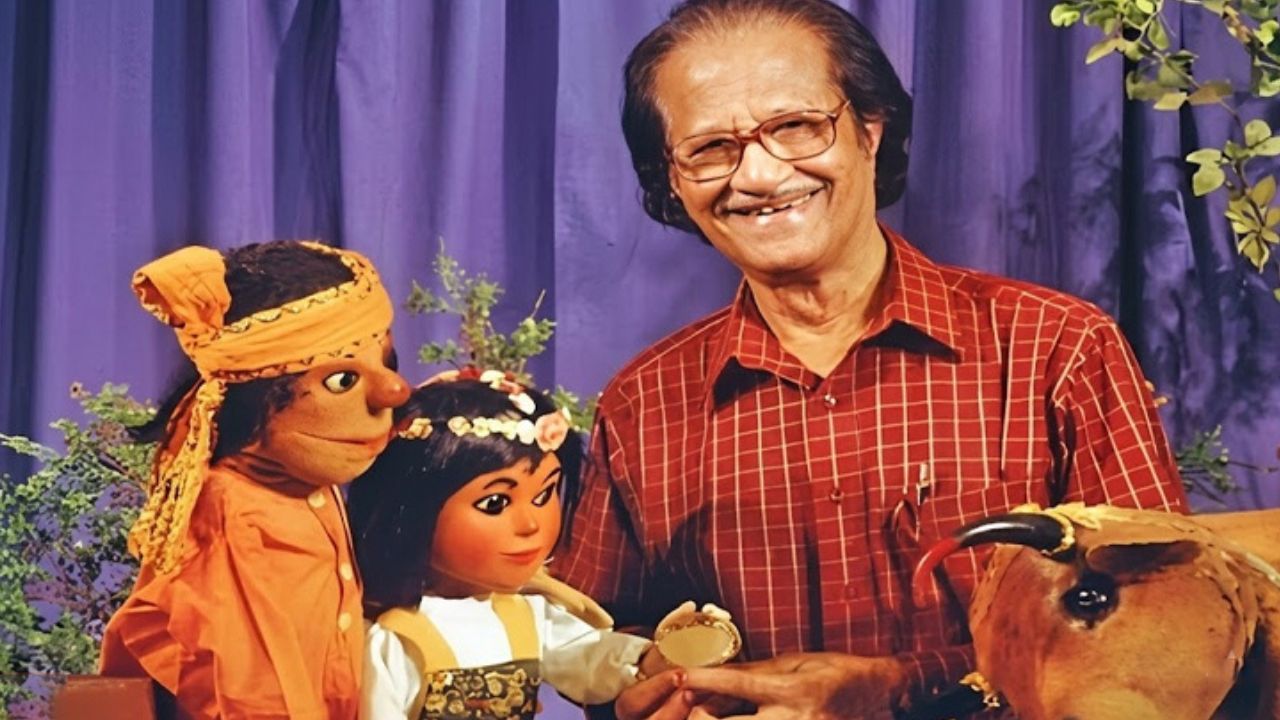
His contribution to children’s television reached even further with Notun Kuri, a programme that discovered and nurtured young talents across the country. For many artists, performers and cultural figures, the programme became the first stage on which they found their confidence. Monwar believed children deserved more than entertainment; they deserved opportunities to express themselves.
Beyond the Puppet Man
Yet reducing him to the title of the “Puppet Man” would barely capture the breadth of his legacy. He was an accomplished painter, television producer, theatre director, cultural organiser and institution builder. His artistic vision extended far beyond studios and galleries.
His artistic curiosity knew no bounds. Alongside children’s programming, he brought classics to Bangladeshi television through productions such as Rabindranath Tagore’s Raktakarabi and William Shakespeare’s The Taming of the Shrew. He also reimagined timeless stories, including Hans Christian Andersen’s The Nightingale and The Ugly Duckling, believing that great literature could be made accessible to audiences of every age. His influence extended beyond Bangladesh, serving as the country’s representative to the Denmark-based International Puppet Development Centre, where he helped introduce Bangladeshi puppetry to the wider world.
The striking red sun motif behind Dhaka’s Central Shaheed Minar, the visual identity of the Second SAF Games and numerous television productions all bore the unmistakable signature of a creator who believed art belonged in everyday life.
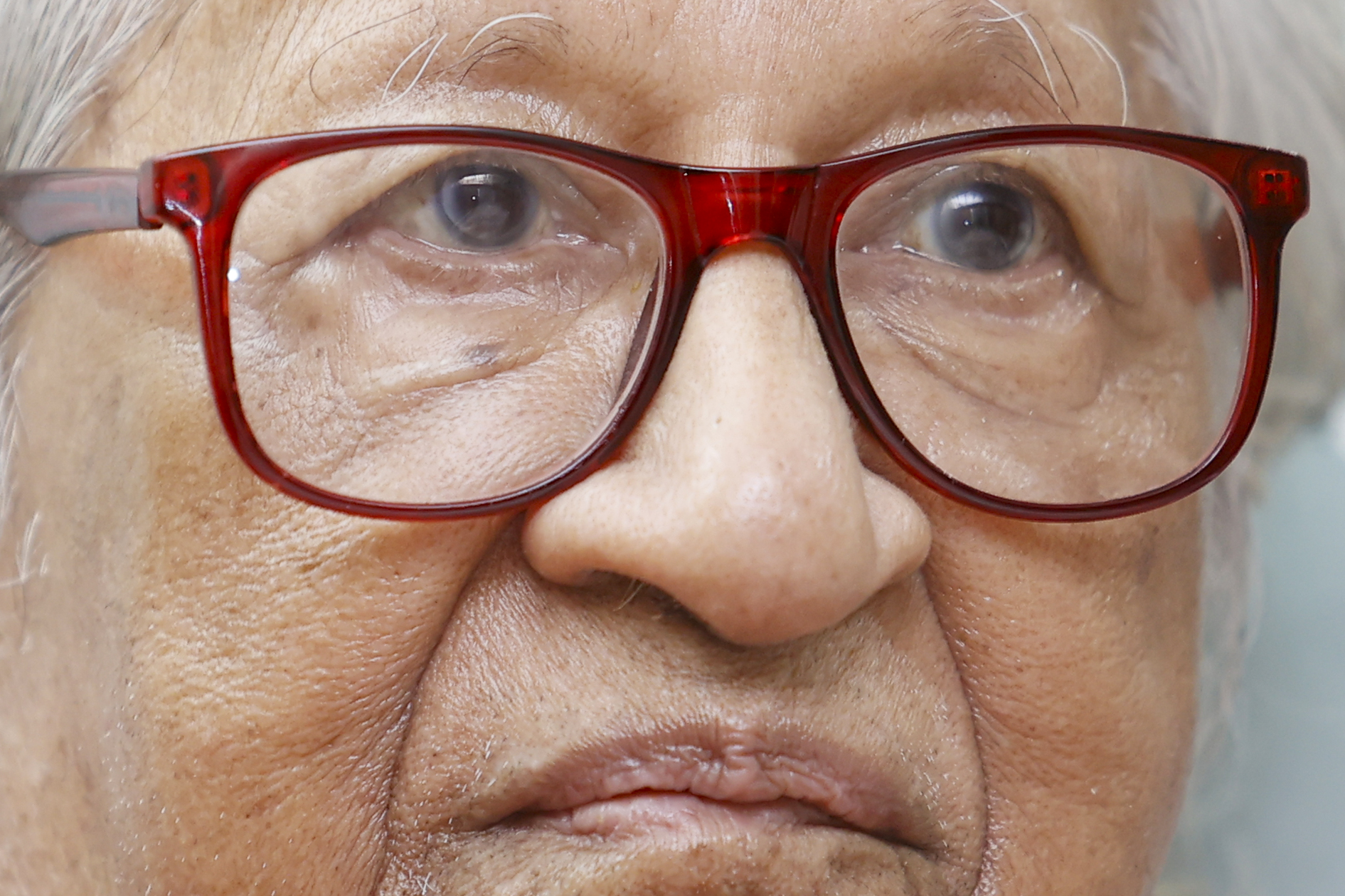
His service to the nation matched his creative achievements. Beginning his career as a lecturer at the then East Pakistan College of Arts and Crafts, he went on to hold some of the country’s most important cultural positions, including Deputy Director General of Bangladesh Television, Director General of Bangladesh Shilpakala Academy, Director General of the National Institute of Mass Communication and Managing Director of the Bangladesh Film Development Corporation. In every role, he worked not merely as an administrator but as a mentor determined to strengthen Bangladesh’s cultural foundations.
Art in the service of a nation
During the Liberation War of 1971, Monwar demonstrated that art could be an instrument of resilience. In refugee camps across West Bengal, where thousands of displaced Bangladeshis had sought shelter, his puppet performances restored something that war had stolen—the ability to smile. Through productions such as Agachha (Weed), Rakkhash (Monster) and A Brave Farmer, he reminded weary audiences that hope could survive even humanity’s darkest hours. His work during the war later drew the attention of American documentary filmmaker Lear Levin, whose footage of Monwar’s performances was later featured in Tareque Masud’s acclaimed documentary Muktir Gaan (1995).
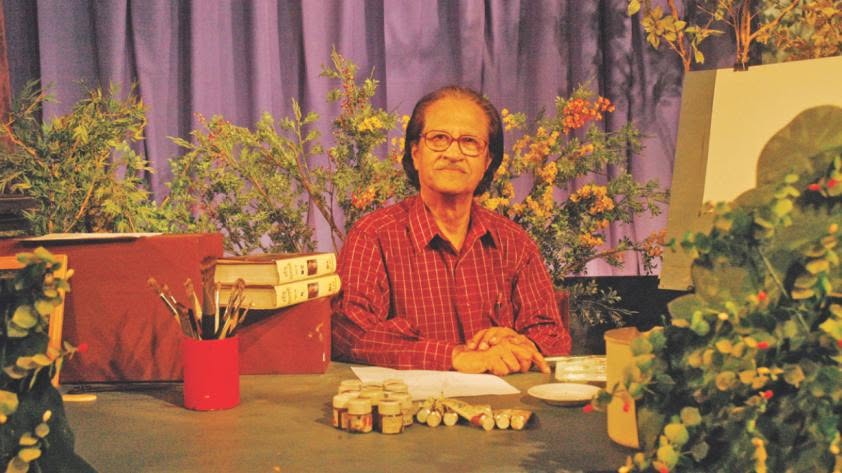
Recognition followed throughout his remarkable career. From winning prestigious gold medals in Kolkata during his student years to receiving the Ekushey Padak in 2004, his career was decorated with honours at home and abroad. Yet awards alone never defined him. His greatest achievement lay in the generations of Bangladeshis who unknowingly grew up under his influence—children who learned to draw their first bird, watched their first puppet show or discovered that art could speak louder than words.
A legacy that lives on
Those who worked closely with Monwar often spoke not only of his immense talent but also of his humility. Despite decades of acclaim, he remained an eager learner, a generous teacher and a patient storyteller. For young artists, his greatest lesson was not how to paint or perform, but how to remain curious throughout life.
Today, Bangladesh mourns the loss of an artist, but his creations refuse to fade into silence. Somewhere, an old episode of Moner Kotha still brings laughter. Somewhere, a former contestant of Notun Kuri remembers the encouragement that changed a life. Somewhere, a young artist still picks up a pencil with the confidence he inspired.
Perhaps that is how Mustafa Monwar would have wished to be remembered—not through monuments or medals, but through imagination itself.
For legends like him never truly leave. They simply become part of a nation’s memory, living quietly wherever a child picks up a pencil, a puppet comes to life or a simple story inspires someone to dream a little bigger.