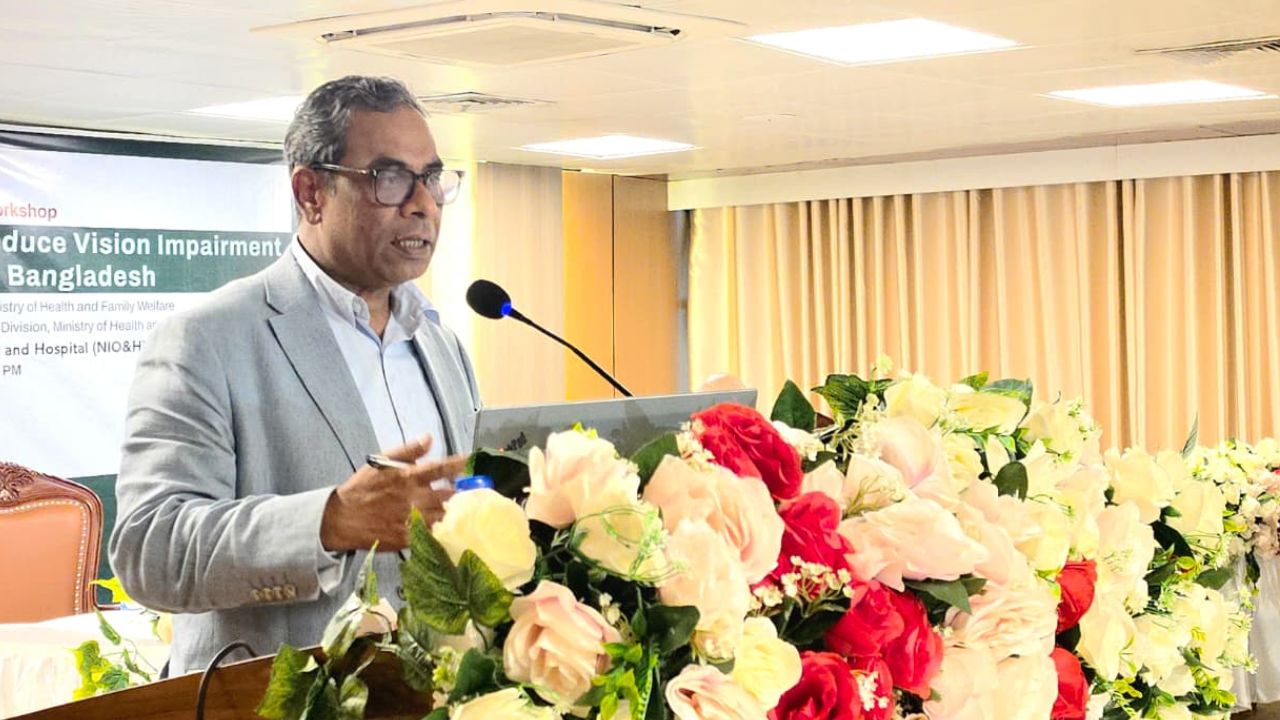

State Minister for Health and Family Welfare MA Muhit expressed optimism on Thursday that cataract blindness will be completely eradicated from the country within the next four to five years.
He noted that this achievement is possible through the implementation of a national roadmap involving the coordinated efforts of the government, private, and NGO sectors.
Muhit made these remarks at a stakeholder consultation workshop titled “Advanced Eye Care in Bangladesh: Action Plan to Reduce Visual Impairment and Prevent Blindness” held at the National Institute of Ophthalmology & Hospital (NIOH) in Sher-e-Bangla Nagar.
He emphasised making high-tech eye care a civil right for the most marginalised and impoverished citizens through Artificial Intelligence (AI) and modern technology.

Integrated perspective plan
Muhit, who is also an international public health and eye specialist, noted that while the public, private, and NGO sectors are all performing “commendable work,” the country lacks a “coordinated and common reporting system”. To address this, the government is adopting a national initiative.
“This sector will not change in a single day; therefore, we are moving forward with a five-year perspective plan,” he said.
Muhit further informed that during the first year, existing eye care facilities and planning at district hospitals will be re-evaluated. Efforts will be intensified to recruit new manpower and increase the capacity of district-level hospitals where necessary. He provided specific guidelines to ensure eye care reaches every age group.

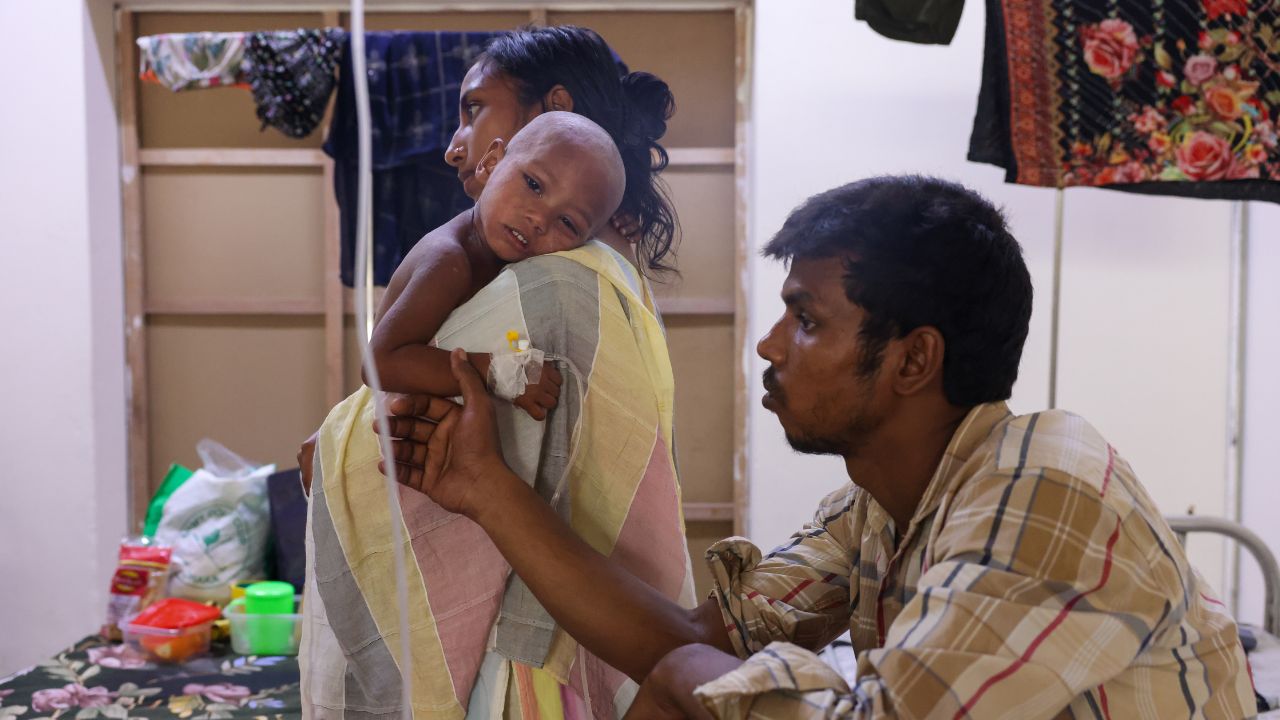

He announced coordinated campaigns and programmes to identify vision problems in school-going children and supply necessary spectacles.
The eye health services and glasses will be provided to workers at every factory, office, and institution. Muhit cited research showing that such interventions significantly increase work productivity. To address blindness among the elderly, large-scale cataract surgery programmes will be launched, with the aim of performing hundreds of thousands of successful surgeries annually to clear the cataract backlog within 4–5 years.
High-tech solutions
Highlighting the potential of modern technology in treating emerging issues like diabetic retinopathy, Muhit suggested the introduction of AI-based enhanced screening systems.
He said technology has made community outreach and field-level services much easier than before, adding, “We want high-tech eye care to reach the doorsteps of marginalised people rather than being limited to the wealthy in cities”.
However, Muhit identified the shortage of skilled manpower as a major challenge. He stressed that maximum focus must be placed on human resource development and training cadres.
He urged for an increase in the number and quality of both public and private training institutions to facilitate skill acquisition for doctors.
The event was also addressed by the National Institute of Ophthalmology & Hospital Acting Director Dr ASMM Quadir, and Associate Professor (Ophthalmology) Dr Syed Mahbub-ul Kadir. Keynote papers were presented by representatives from the ARK Foundation and the World Health Organization (WHO).
The workshop concluded with an open discussion featuring veteran eye specialists, academics, experienced doctors working at the district and periphery levels, and representatives from the Bangladesh National Society for the Blind (BNSB) and various international organisations.