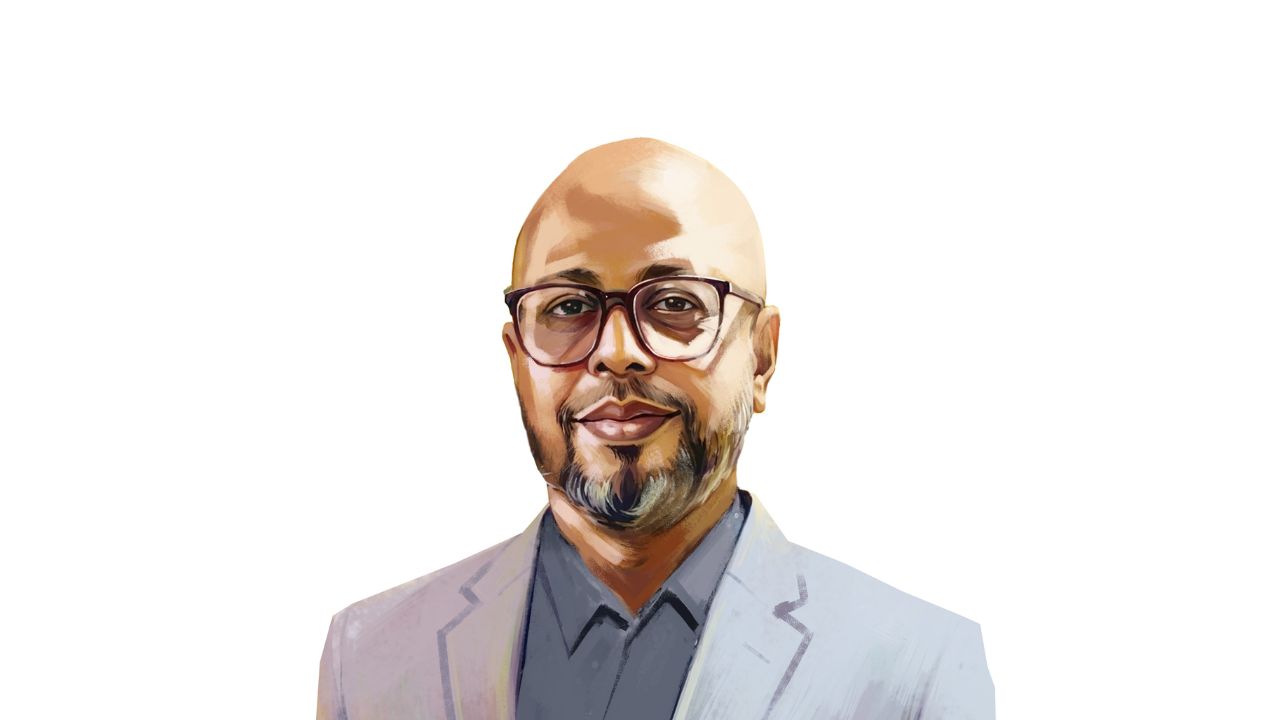

Bangladesh’s ceramic industry has entered a decisive phase where future growth will depend less on expanding production capacity and more on innovation, premium products, operational excellence and stronger branding, according to Mir Ceramic Executive Director for Marketing and Sales Md Anisur Rahman.
The veteran marketing professional, who moved into the ceramic industry after a long career in fast-moving consumer goods (FMCG), believes Bangladesh’s growing urbanisation, infrastructure development and housing demand will support the industry’s next phase of expansion.
At the same time, he says manufacturers must prepare for intensifying regional and global competition through technology, efficiency and customer-focused innovation.
“Bangladesh’s ceramic industry has matured significantly over the past decade. The next stage is about creating higher value rather than simply producing more,” Anisur Rahman told TIMES of Bangladesh in an interview.
His optimism mirrors Mir Ceramic’s own ambitions. The company has expanded sales by around 20 per cent during fiscal year 2024-25 while increasing its nationwide dealer network by 5 per cent to more than 150 dealers. It is now investing in premium products, digital capabilities and a second brand, CLIO, to capture changing consumer preferences.
Rahman described Bangladesh’s ceramic sector as one of the country’s strongest manufacturing industries, supplying around 85 per cent of domestic demand while attracting more than Tk18,000 crore in investment and generating direct and indirect employment for over five lakh people.
More than 30 manufacturers now operate in the country, while ceramic exports reach over 50 countries and earn about $61 million annually.
“I believe the next 10 years could become a transformation decade for Bangladesh’s ceramic industry,” he said.
According to Rahman, rapid urbanisation, rising household incomes and continued investment in housing and infrastructure will steadily increase domestic demand, while improvements in design, branding and technology could help local manufacturers secure a larger share of export markets.
He argues that the industry’s evolution should move beyond import substitution towards export competitiveness.
“Our objective should no longer be only meeting domestic demand. Bangladesh should establish itself as a reliable global supplier of ceramic products.”

However, sustaining that growth will require overcoming several structural challenges.
Anisur Rahman identified rising production costs as the industry’s biggest concern because ceramic manufacturing remains heavily dependent on imported raw materials. Exchange-rate fluctuations, higher freight costs and disruptions in global supply chains continue to raise manufacturing expenses, while increasing gas and electricity prices add further pressure.
He said maintaining competitiveness would depend on four priorities: operational excellence, cost optimisation, innovation and customer value creation.
“Production alone will not determine future success. Companies that consistently invest in technology, efficiency, sustainability and design will become long-term leaders.”
Those priorities also shape Mir Ceramic’s own strategy.
Rahman said the company is focusing on becoming more customer-centric, innovation-driven and value-led instead of pursuing growth solely through higher sales volumes.
During the next three to five years, Mir Ceramic plans to expand its dealer network by 10 per cent, improve production efficiency by 15 per cent and strengthen its presence in higher-value market segments through premium products and new designs.
The company also plans continued investment in digital capability, data-driven decision-making and sustainable manufacturing.




“Growth is not just about selling more. It is about creating more value for customers,” he said.
That strategy has already begun to reshape the company’s product portfolio.
Design to drive the next phase
Mir Ceramic recently introduced CLIO, a new premium brand developed to target younger consumers seeking contemporary designs and lifestyle-oriented products.
Rahman said consumer research showed strong demand for design-led products that reflect changing lifestyles rather than simply offering functional building materials.
“Today’s customers buy more than tiles. They buy living experiences.”
Unlike Mir Ceramic, which positions itself around trust, quality and reliability built over many years, CLIO focuses on modern aesthetics, contemporary design and premium lifestyle positioning.
The launch also reflects a broader strategy of portfolio diversification and market segmentation, enabling the company to serve different customer groups while maintaining the same commitment to international standards, advanced manufacturing technology and product quality.
Innovation remains central to product development.
Rahman said Mir Ceramic closely monitors global architectural and interior design trends through international exhibitions and research but adapts those ideas to suit Bangladeshi lifestyles and consumer preferences.
“A design can be globally attractive, but it must also connect with local customers.”
His own career reflects a similar willingness to embrace change.
Anisur Rahman began his professional journey at Reckitt Benckiser before spending years in the FMCG industry.
He joined Mir Ceramic in 2024, attracted by what he describes as an industry where technology, design, manufacturing and customer experience converge.
Unlike consumer goods, he said, building materials influence long-term investment decisions because customers are purchasing products for homes that may last decades.
“The industry allows us to become part of people’s dreams.”
Leadership through trust
His leadership philosophy also reflects that long-term perspective.
Rather than describing himself as a traditional boss, Rahman sees himself as a leader who builds trust, encourages collaboration and leads by example.
He believes organisations perform best when employees feel comfortable sharing ideas, taking responsibility and contributing to common goals.
“The success of any organisation is never the achievement of one individual. It comes from the collective effort of the entire team.”
He also believes future business leaders must combine technological capability with integrity, patience, accountability and empathy.
While younger professionals naturally adapt to technology and changing markets, he said effective leadership ultimately depends on listening, earning trust and bringing teams together.
For those considering careers in ceramics, Rahman views the industry as one of continuous learning rather than routine manufacturing.
From production technology and design to marketing and customer engagement, the sector offers opportunities to build multidisciplinary skills.
He encourages young professionals to remain curious, embrace change and develop strong work ethics grounded in honesty, perseverance and discipline.
Beyond business performance, Rahman believes customer trust remains the ultimate measure of success.
Mir Ceramic has received recognition including the Presidential Award and Best Brand Award, but he argues that industry awards represent milestones rather than destinations.
“The greatest achievement is when customers choose our brand again and recommend it to others.”
That philosophy extends beyond Mir Ceramic itself.
Anisur Rahman believes Bangladesh’s ceramic industry now possesses the entrepreneurial capability, manufacturing scale and technological foundation to compete internationally.
With supportive policies, continued investment and stronger collaboration between government and industry, he expects ceramics to make a significantly larger contribution to exports and economic growth over the coming decade.
The industry’s biggest strengths are the courage of its entrepreneurs, investment in technology and a growing domestic market,” he said.
“If we continue investing in innovation, sustainability, operational excellence and brand value, Bangladesh will strengthen its position as a trusted ceramic manufacturing hub in regional and global markets,” Anisur Rahman added.