Step inside Millat Bihari Camp in Dhaka’s Mirpur, and the city changes in an instant. The wide streets of Benaroshi Palli narrow into dark alleys, where the smell of damp waste and cooking fires hangs in the air. Pathways barely allow two people to pass, and in the rain, they turn into streams of sewage.
Behind each rusted door or broken window lives a family in a single 80-square-foot room. Parents, children, and sometimes grandparents are stacked together with little space to breathe. Clean water is another daily battle. Lines form around water taps, and residents often quarrel for a share of what little is available. For many families, fetching safe water takes as much effort as earning their day’s wages.
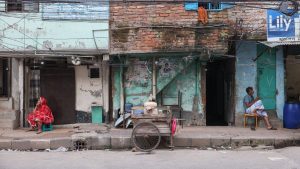
Inside these cramped quarters, resilience shapes daily life. Most residents work for the nearby Benaroshi Palli fashion market. They embroider sari borders by hand, finish delicate garments, fold paper packets and children work in nearby garages. Their work fuels Dhaka’s glitter, but their wages are a fraction of the market price. A day of embroidery often pays less than the cost of a simple meal.

On paper, the community now holds National ID cards and voting rights. However, barriers remain. Education is often cut short, jobs outside the camp are scarce, and access to health or public services is limited. Water shortages add to another layer of hardship, with families forced to ration every bucket for cooking, washing, and drinking. Many describe themselves as citizens without acceptance, rooted in Bangladesh, but rarely embraced by it.



Language deepens the divide. Urdu is spoken at home, but schools teach only in Bangla, and dropout rates among camp children remain high.
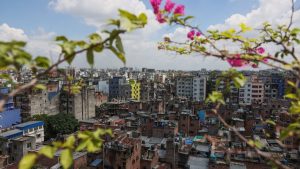
Still, hope endures. Among the younger generation, the vision is no longer of another homeland, but of full belonging here. “This is our birthplace, our motherland,” many say.
That hope now finds fuel in politics. The interim government led by Nobel laureate Dr Muhammad Yunus has pledged reforms and reconciliation, promising equal rights for all. For Biharis who joined the recent protests demanding a new Bangladesh, this feels like the first chance in decades for recognition.
Walk back out of Millat Camp, and the contrast with the city is stark. Yet behind its broken drains, narrow lanes, and water-starved homes lives a community still waiting for dignity, for justice, and for a tomorrow where their identity is no longer in question.