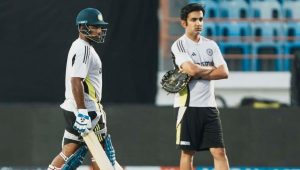
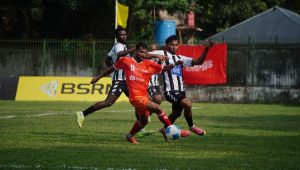
Ireland-born coach Mark Cox strode into Dhaka on Saturday and immediately raised the temperature, driving Bangladesh’s U-20s through three sharp sessions as they gear up for the SAFF U-20 Championship in the Maldives from 23 March. On Wednesday after completing his third session with the players he shared very optimistic message about the team.
Mark did not arrive guessing. He “did a bit of research” and “spoke a lot to my coaches,” then quickly concluded the group carries “a lot of potential”. That praise lands as a setup, not a pat on the back; he likes the base level but demands upgrades in every phase.
He sharpened the point with clarity. The “technical” work looks “good”, yet he wants “a bit of tactical understanding” layered on top, plus stronger “social” and “psychological” bonds. Cox hunts the marginal gains, insisting on “that extra 10%” to survive international tempo, where moments vanish and mistakes get punished.
That demand already seeps into the camp. Midfielder Moltazim Alam Himel admitted the coaches “increased the intensity step by step” as the squad gears up for the 24 March opener. Players often promise hard work in camp; Cox forces them to live it, session by session.
Here lies the crux. Mark praises “potential” and “team play,” while players acknowledge rising “intensity”; both sides point to the same gap between comfort and competition. My read stays simple: Bangladesh will not out-talent India or out-muscle Pakistan, but they can out-organise them for spells if Mark’s tactical layer sticks quickly. That “extra 10%” sounds small; in youth football, it often decides everything.
Bangladesh fly out on 21 March with barely a week of work behind them. Mark will not chase perfection; he will chase cohesion, pressing triggers and compact distances. If those clicks arrive, Bangladesh can disrupt better sides for 20-minute bursts, long enough to nick a result, not long enough to switch off.