






News reports and social media feeds are increasingly filled with horrific accounts of rape, violence and murder.
As such incidents continue to occur, violence has gradually become an unsettling part of everyday life.
Each incident sparks public outrage, street protests and demands for justice.
Promises of swift trials and exemplary punishment often follow. Yet, with time, many cases fade from public attention while others become trapped in lengthy legal processes.
The recent rape and murder of a young girl, Ramisa, has deeply shaken the public conscience.
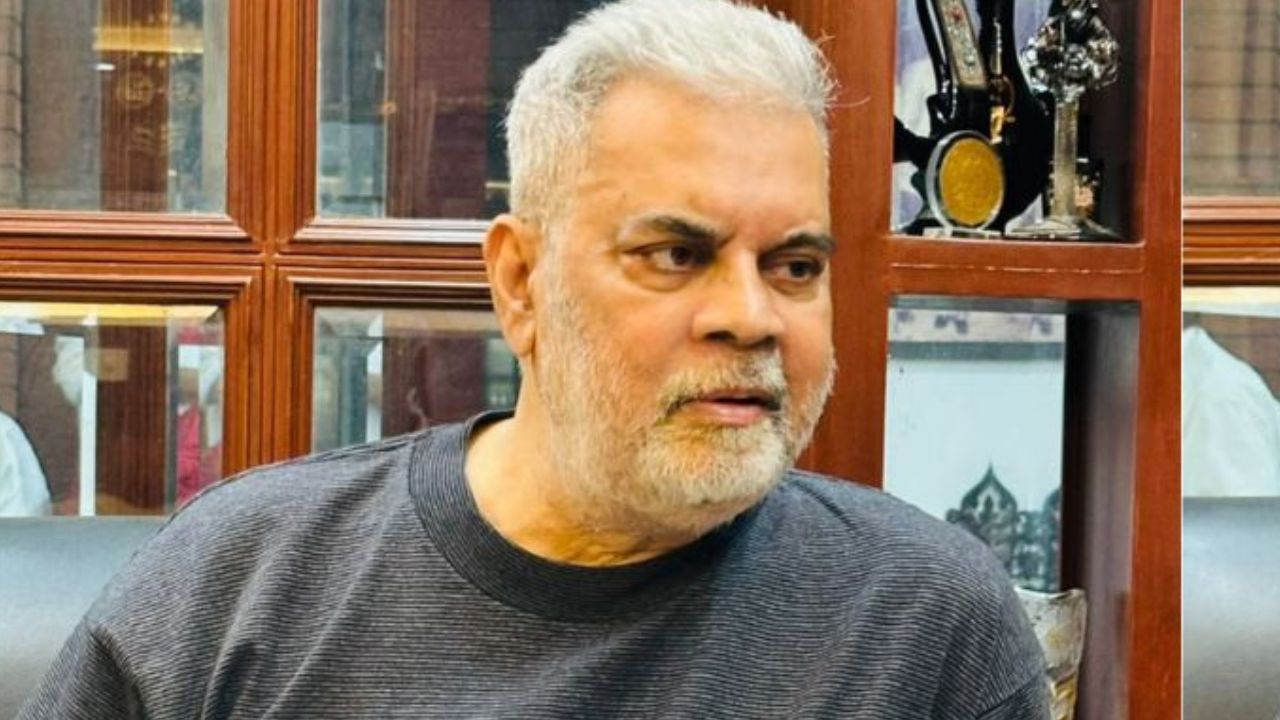
Drawing on the grief, anger and demand for justice surrounding the tragedy, lyricist Mahbubul Khalid has written a new song titled Ramisader Bichar.
“Ramisa has now joined/ Achia all of a sudden/ Tanu’s murder is yet to receive justice/ Nusrat is still in line…” — these poignant lines form part of the song, which has also been composed by Khalid.
Khalid is joined on vocals by Avanti Sithi, Rafsan and Tutul.
The song has been released on Khalid Sangeet’s YouTube channel.
It is also available on the organisation’s Facebook page and website under the same name.
A defining feature of Mahbubul Khalid’s work is his strong humanitarian perspective.
Speaking for victims of violence, oppression and neglect has long been central to his artistic practice. Social injustice, inequality and humanitarian crises have repeatedly found expression in his songs and poetry.
His work spans a wide range of themes, including patriotism, nature, religious and social festivals, public awareness and sports.
He has also written songs across genres including protest music, folk, hamd and naat, children’s songs, patriotic music, romantic and melancholic songs, and spiritual compositions.
Real-life events have often made his work particularly topical. His song Aduri, written about a child domestic worker who was abused in Mirpur, Dhaka, highlighted a harsh social reality.
Similarly, Felanire Korlo Guli, inspired by the killing of Felani at the Bangladesh-India border, drew attention to a tragedy that shocked the public.
Following the abuse of child victim Achia in Magura, Khalid wrote Magurar Phool, using music to protest the violence inflicted upon a child and expose the darker realities of society.
The song earned Khalid the prestigious BAIFA Award as a lyricist and composer.
His work has also addressed international humanitarian crises, including the situations in Palestine and among the Rohingya.
He has written songs inspired by major football and cricket tournaments as well.
Khalid’s body of work therefore extends beyond entertainment. His songs often serve as records of their time, voices of protest and expressions of solidarity with those seeking justice.
Ramisader Bichar is another addition to that body of work, transforming the grief surrounding a brutal tragedy into a musical call for justice.


